TOPS™: Recovery
02/20/26
Spinal fusion: complications
02/22/26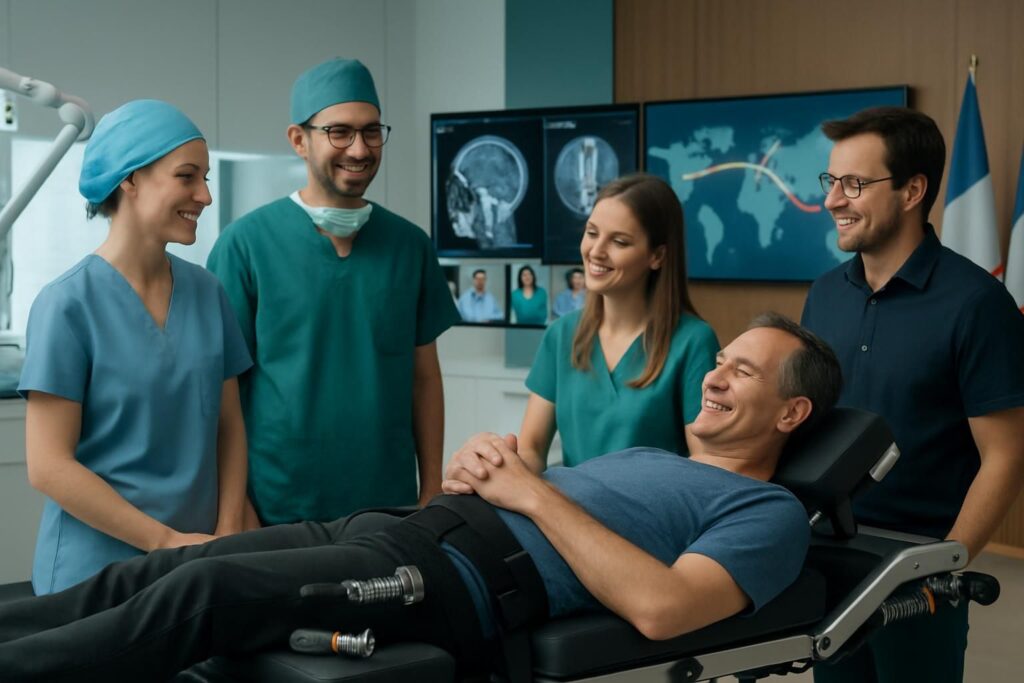
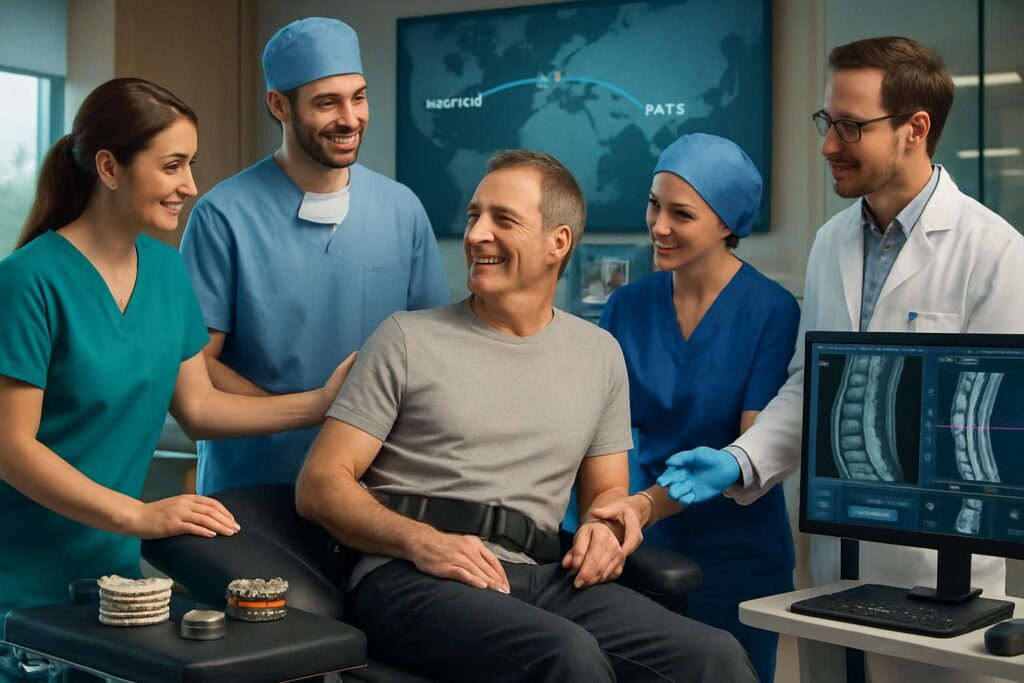
The management of chronic lower back pain is evolving today thanks to innovative medical solutions that combine technological expertise and surgical know-how. The IntraSPINE dynamic implant represents a major advancement in the treatment of lumbar pain, providing mechanical support to the spine while preserving its natural mobility. This technology, combined with a rigorous transatlantic medical pathway between Quebec and France, offers an effective alternative to the long waits and high costs associated with traditional surgeries in Canada. By specifically targeting disc degeneration and biomechanical imbalances, the system IntraSPINE optimizes posture, reduces lower back pain and improves spinal function, giving hope to patients affected by lower back pain.
The development of dynamic spinal implants embodies a new perspective in surgery of the spine. Unlike conventional procedures merger Unlike spinal devices that permanently immobilize the lumbar segment, IntraSPINE stands out for its design that respects the natural lumbar lordosis while offering dynamic segmental stabilization. This innovation, born from French expertise, is integrated into a comprehensive care pathway, including a preliminary specialized assessment, often performed at the TAGMED Clinic, and personalized post-operative follow-up. By prioritizing an approach based on safety, scientific rigor, and technological mastery, this treatment is aimed at Quebec patients seeking a cutting-edge solution for lasting relief from their back pain.
IntraSPINE: a biomechanical breakthrough for dynamic stabilization in cases of lower back pain
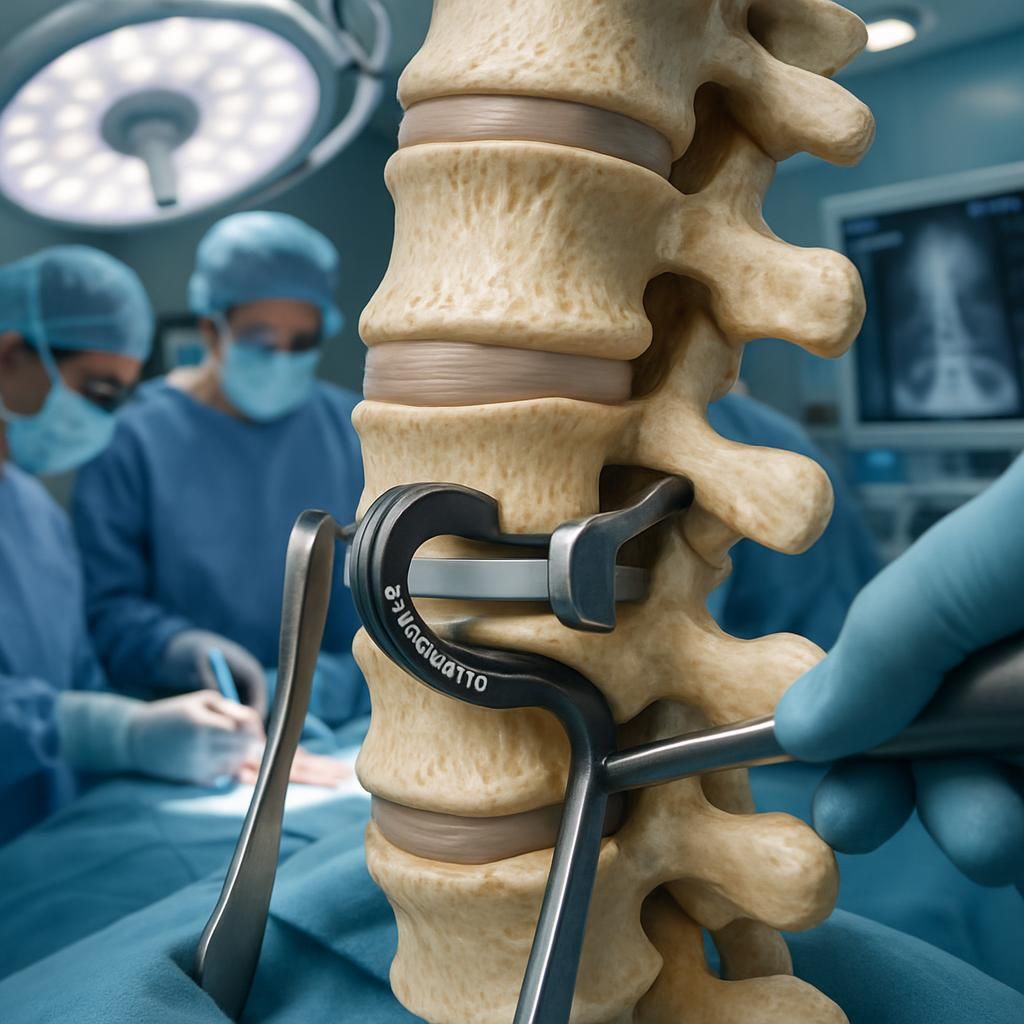
The IntraSPINE device is designed to address a specific problem: stabilizing the lumbar spine between L1 and S1 affected by disc degeneration or vertebral stenosis, while preserving the physiological mobility of the affected segment. This innovative solution is implanted between the vertebral spines, allowing it to act as a mechanical "cushion" that absorbs and redistributes the loads exerted on the spine.
Unlike conventional fusion implants, which restrict movement to stabilize the affected area, IntraSPINE promotes dynamic stabilization. This biomechanical characteristic reduces pressure on the intervertebral discs, limits the progression of damage, and offers improved postural comfort. Its advanced interlaminar position, close to the center of rotation of the spinal segment, ensures better correction of lumbar lordosis compared to devices placed further back.
The clinical benefits are numerous: a significant reduction in chronic lower back pain, improved physical function, and a faster return to daily activities. A recent multicenter study demonstrated that this type of implant preserves mobility while avoiding the common side effects of fusion, such as spinal stiffness or degeneration of adjacent segments.
The minimally invasive design of the procedure and the ability to remove or adjust the implant make it a flexible surgical option suitable for patients whose condition requires a personalized approach. Furthermore, the implant is made from biocompatible materials, ensuring durability and compatibility with spinal tissues.
For example, a patient suffering from severe lower back pain due to a herniated disc A patient who is symptomatic, after several months of conservative treatment without significant improvement, can benefit from this device to stabilize the lumbar region without loss of mobility. This procedure, performed in a renowned French center, allows for a rapid return to activities and a lasting reduction in pain, as clearly demonstrated by the program offered in Laval, accessible through specialized partners.
The functional and biomechanical benefits of the IntraSPINE implant in the treatment of chronic lumbar pain
Chronic lower back pain often results from progressive degeneration of the intervertebral disc, causing mechanical instability and nerve compression. The dynamic approach offered by IntraSPINE specifically targets these pathological mechanisms by maintaining the natural lordosis of the spine while ensuring segmental stabilization without blocking.
From a biomechanical perspective, the implant ensures a better distribution of forces between the vertebrae, reducing excessive load during extension movements. This effect helps to alleviate pressure on the facet joints, which are essential in the transmission of spinal forces, and to limit secondary degenerative changes. This dynamic, which respects spinal anatomy, provides lasting improvements in posture and body balance.
From a clinical perspective, the dynamic stabilization This procedure not only relieves lower back pain but also prevents complications related to spinal stiffness. Maintaining segmental movement functionality is essential to prevent the development of osteoarthritis in adjacent vertebral segments, which is frequently observed after lumbar fusion.
Clinical data from partner centers also demonstrate a reduction in postoperative recovery time and a significantly lower complication rate. The possibility of using this treatment in conjunction with a discectomy to relieve nerve compression further enhances its therapeutic efficacy.
A comparative table helps to better understand the advantages of the IntraSPINE implant compared to traditional methods:
| Criteria | Classic spinal fusion | IntraSPINE Dynamic Stabilization |
|---|---|---|
| Spinal mobility | Completely blocked, immobilized | Preserved, natural movement retained |
| Recovery time | Longer (several months) | Shorter (a few weeks) |
| Risk of adjacent osteoarthritis | High, due to rigidity | Reduced thanks to maintained mobility |
| Surgical invasiveness | Important, open surgery | Minimally invasive, minimally traumatic procedure |
| Reversibility | No, definitive intervention | Yes, implant removable or adjustable |
Optimized biomechanics and functional benefits make IntraSPINE an essential surgical treatment option for patients with debilitating lower back pain. In addition to surgery, tailored rehabilitation, following personalized protocols, ensures optimal long-term maintenance of results.
A coordinated medical pathway between Quebec and France for innovative and safe surgery
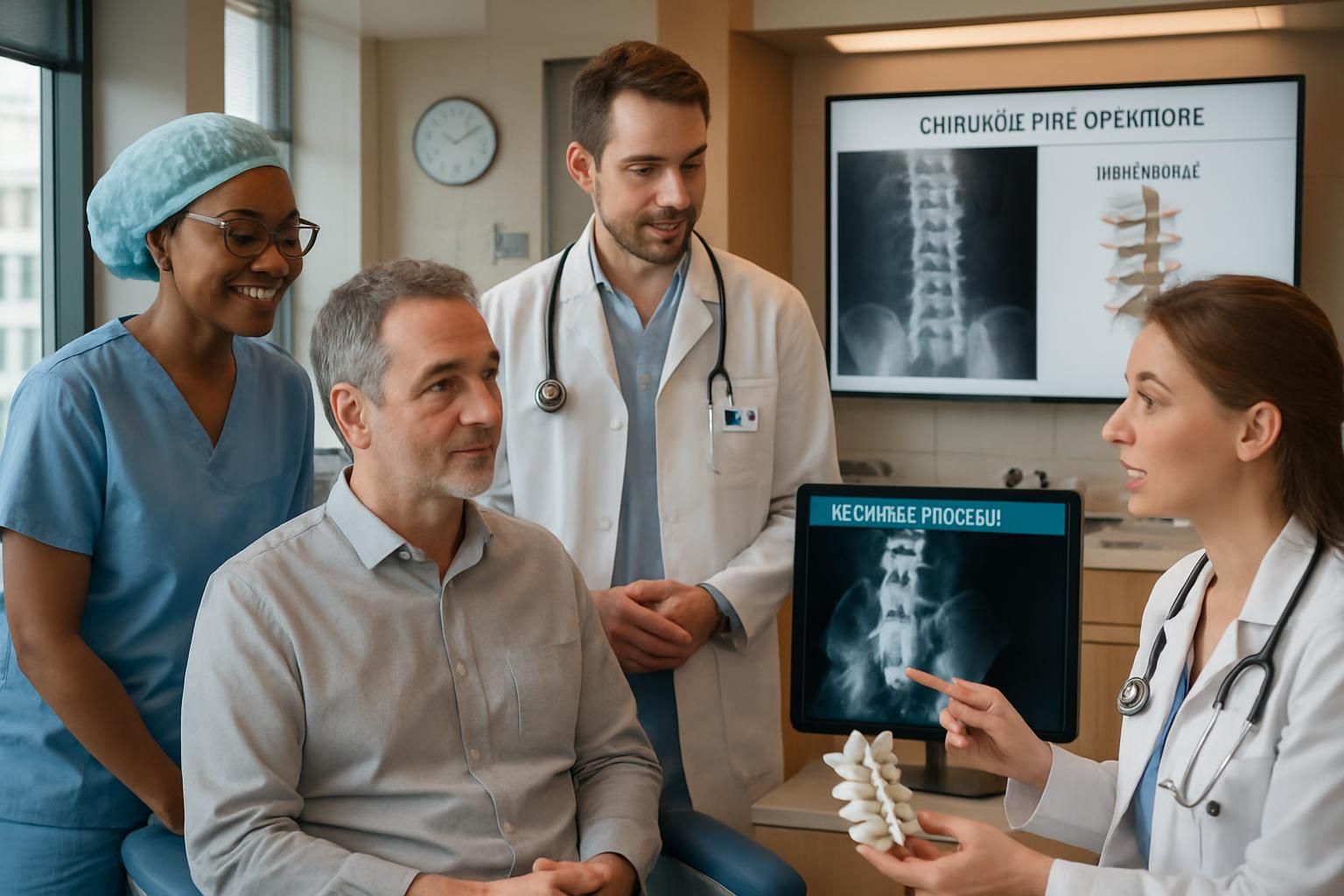
The success of spinal surgery depends not only on the surgical technique but also on the quality and coordination of the patient's care pathway. The transatlantic collaboration that has been established is now recognized as an innovative model, ensuring personalized support from beginning to end.
The essential preliminary phase is based on a comprehensive evaluation in Quebec, particularly in the TAGMED CLINIC, which excels in advanced conservative treatments such as neurovertebral decompression. This step allows for confirmation of the surgical indication after several months of non-invasive management.
Once the decision is validated, the specialized company Crossing organizes medical stays in France, directing each patient to the expert surgeon and the appropriate clinic, guaranteeing the quality of surgical care and an optimal environment for recovery. This organization also handles logistical aspects (flights, accommodation, appointment).
The surgery, performed in leading French facilities, employs the most advanced technologies, with a particular emphasis on safety, scientific rigor and mastery of dynamic implants such as IntraSPINE.
Post-operative follow-up, essential for optimal functional recovery, is provided in partnership with specialized teams in Quebec, including progressive rehabilitation programs and tailored pain management. This continuum of care ensures a smooth and reassuring experience for the patient throughout their entire journey.
The advantages of this unique coordination:
- Rigorous specialist evaluation to tailor the surgical solution to each patient.
- Access to internationally renowned French surgical expertise.
- Complete administrative and logistical management for the patient.
- Reduced waiting times thanks to optimized organization.
- Personalized post-operative monitoring to ensure a safe rehabilitation process.
Surgical options in France for chronic lower back pain: a choice between tradition and innovation
The French surgical landscape offers various techniques adapted to the specific needs of each patient suffering from chronic lower back pain. Besides IntraSPINE, options include traditional spinal fusion, simple decompression, and other dynamic implants such as the system TOPS.
Spinal fusion, while effective in stabilizing severely unstable segments, often results in a loss of mobility and an increased risk of osteoarthritis in adjacent vertebrae. It is therefore indicated only in severe and complex cases.
Simple decompression focuses on releasing compressed nerve roots without implant placement and is suitable for patients with lumbar stenosis without significant instability. This technique is less invasive and promotes rapid recovery.
The dynamic implants such as IntraSPINE TOPS and other devices offer modern alternatives that preserve segmental mobility. The choice between these devices is based on a personalized biomechanical analysis, taking into account the patient's anatomy, pathology, and functional expectations.
Here is a summary table presenting the main characteristics of surgical options in France:
| Surgical technique | Main indication | Benefits | Benefits for the patient |
|---|---|---|---|
| IntraSPINE | Chronic lower back pain related to discopathy with preserved mobility | Dynamic, minimally invasive, reversible stabilization | Lasting relief, preserved mobility, rapid recovery |
| TOPS | Lumbar stenosis with segmental instability | Maintaining controlled mobility, an alternative to merging | Reduced pain, improved posture, less stiffness |
| Spinal fusion | Severe instabilities, scoliosis | Rigid fixation, lasting correction | Increased stability, reduced pain |
| Simple decompression | Stenosis without instability | Less invasive intervention, nerve release | Rapid pain reduction, short recovery time |
The right therapeutic choice results from an open and informed dialogue between the patient and the medical team, taking into account not only clinical criteria but also individual aspirations regarding quality of life and physical activity. motion surgery The approach proposed today in France reflects this desire for personalized care for better functional efficiency.
Comparison of dynamic implants vs. other surgical techniques
The conservative phase before surgery: an essential step
Before considering surgery, medical protocols recommend a 3- to 6-month course of intensive conservative treatments. These treatments aim to relieve lower back pain through non-invasive approaches and improve posture and spinal function without resorting to surgery.
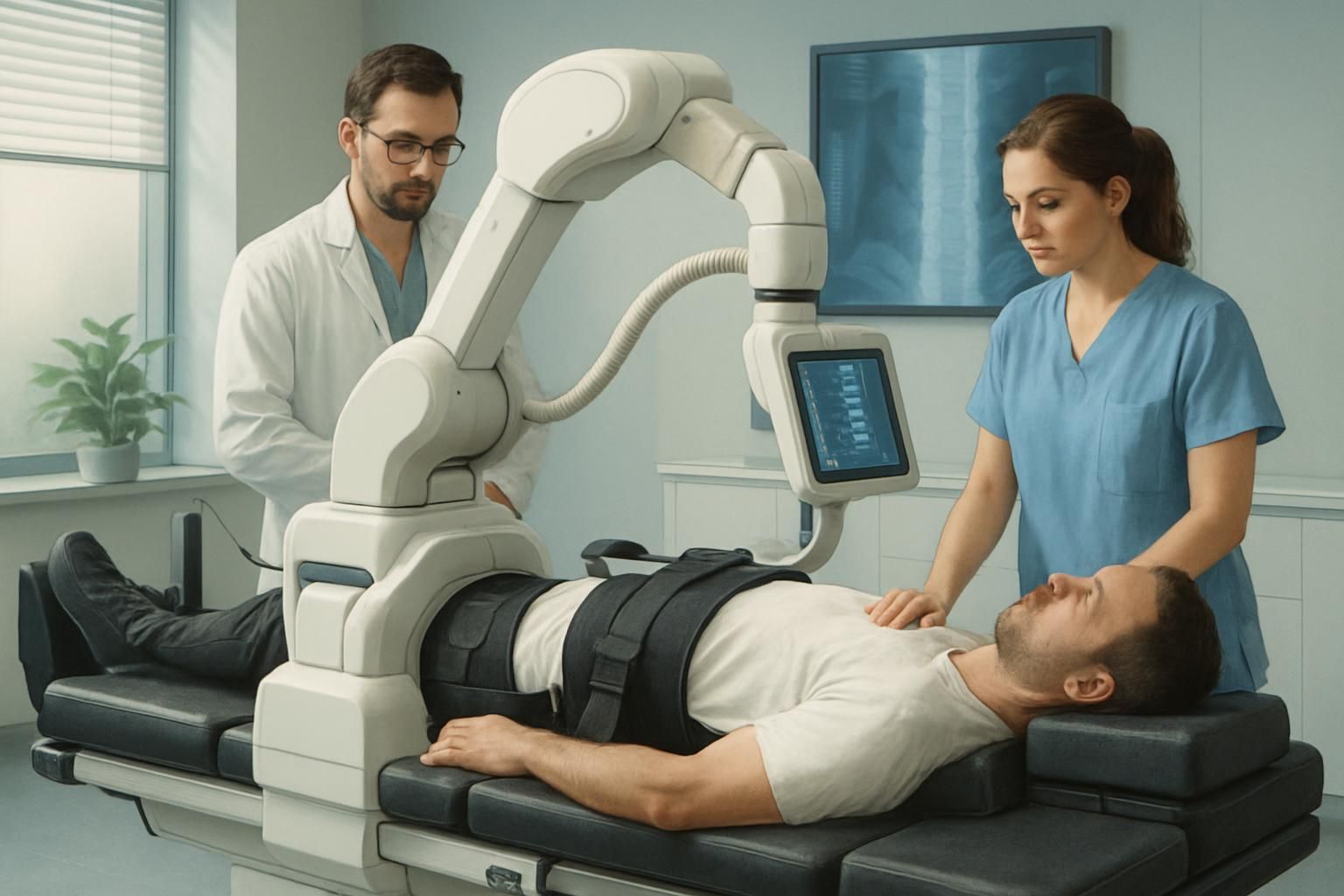
The TAGMED CLINIC It positions itself as a major player in this phase, offering specialized programs including robotic neurovertebral decompression, targeted physiotherapy, pain management, and complementary interventions such as acupuncture or manual therapy. These methods help to effectively reduce symptoms and can sometimes avoid surgery.
It is essential that these treatments be carried out under rigorous medical supervision to optimize results and adapt the plan according to clinical progress. This conservative approach ensures that surgery is only considered when truly justified and tailored to the patient's specific needs.
The combined efforts of rehabilitation, postural advice, and personalized physical exercises strengthen the spine and improve quality of life. This gradual approach is essential for comprehensive, compassionate, and long-term management of lower back pain.
What are the main indications for the IntraSPINE implant?
This implant is indicated for patients suffering from chronic lower back pain due to lumbar disc degeneration or spinal stenosis, after failure of conservative treatments, and requires stabilization while preserving spinal mobility.
How does dynamic stabilization differ from spinal fusion?
Dynamic stabilization allows for the preservation of segmental spinal mobility while reducing pain, unlike fusion which permanently immobilizes the vertebral segment(s), increasing the risk of stiffness and osteoarthritis in adjacent levels.
What is the standard procedure for a Quebec patient seeking surgery with IntraSPINE?
The process includes a thorough initial assessment in Quebec with conservative treatments, followed by complete organization of the stay in France for surgery and personalized post-operative follow-up, coordinated with specialized medical teams from both countries.
What are the advantages of minimally invasive surgery with the IntraSPINE implant?
This technique reduces surgical trauma, decreases post-operative pain, accelerates recovery and limits complications related to the rigidity of traditional techniques, promoting a rapid return to activities.
Why is it important to have undergone conservative treatment before surgery?
Conservative treatments can relieve pain and improve function without surgery. They ensure better patient selection for surgery, thus avoiding unnecessary interventions and optimizing long-term results.
To learn more or for a personalized assessment, visit SOS Medical Tourism.




 Français du Canada
  English (Canada)