TAGMED Clinic Montreal / Mount Royal
Sciatica at work: how to alternate between sitting and standing
Workstation setup, varied positions, functional capacity and a gradual return to work.
Alternating between sitting and standing primarily aims to avoid holding one posture for too long. There is no universal ratio that works for every patient, and excessive standing can be as poorly tolerated as prolonged sitting.
- Page in this guide series Work and ergonomics with sciatica.
- Linked to the main guide Sciatica treatment in Montreal.
- Sciatica treatment in Terrebonne.
- The goal is not to find a perfect posture, but to reduce poorly tolerated exposures and preserve function.

Practical ergonomics
Adapt the work to the worker rather than look for a single rule
A practical rhythm can be based on tolerance: change position before symptoms become difficult to recover from, rather than after a major flare-up.
Variation
Alternating positions and tasks limits prolonged exposure to a single demand.
Settings
Workstation adjustments should make the task easier rather than impose a rigid posture.
Capacity
The plan considers what the person can currently do and what they need to regain.
Functional considerations
Look at the entire day rather than a single posture
The best rhythm is one that can be maintained throughout the workday and improves overall function.

An important point
NICE recommends promoting and facilitating a return to work or normal activities. CCOHS also emphasizes the value of varying positions rather than remaining continuously seated or standing.
Assessment
Break down the demands of the job
A useful analysis describes time spent sitting or standing, driving, manual handling, available breaks, repetitive movements and tasks that increase symptoms.

Identify
Identify tasks or durations that exceed current tolerance.
Adjust
Adjust position, duration, load, frequency or the order of tasks.
Test
Observe the response during the day and recovery afterwards.
Progress
Gradually reintroduce demands as capacity improves.
Strategies
Combine ergonomics, breaks and progressive capacity building
Changing a chair or desk may assist, but ergonomics alone does not replace activity, rehabilitation and progression towards the actual tasks of the job.
Workstation
Ensure adjustments and tools suit the task and the person's body dimensions.
Organisation
Vary positions, distribute tasks and incorporate realistic breaks.
Progression
Gradually rebuild capacity for working hours, loads and repetitions.
When is ergonomics not enough?
- New or rapidly progressive weakness.
- Foot drop or a leg that increasingly gives way.
- Loss of the control needed to drive or operate machinery safely.
- New bladder or bowel problems.
- Numbness in the saddle area or perineum.
These signs require clinical or medical reassessment rather than a simple workstation adjustment.
Follow-up
Measure the return to actual tasks
Follow-up can document hours worked, tolerated sitting or standing time, loads handled, required breaks and recovery after a full day.
Hours
Compare tolerated working time with the starting level.
Tasks
Gradually reintroduce the essential activities of the job.
Main topic guide
Is sciatica limiting your ability to work normally?
An assessment can clarify the most problematic tasks, possible temporary adjustments and criteria for a gradual return.
Frequently Asked Questions
FAQ — Sciatica at work: how to alternate between sitting and standing
How many minutes should you stand?
Recommendations vary; individual tolerance and the ability to change position regularly are essential.
Should you change position before pain starts?
Often, yes. Changing position before a major flare-up can make recovery easier.
Is a sit-stand desk essential?
No. It is one of several options for varying positions.
Can standing also aggravate sciatica?
Yes, particularly in some cases of stenosis or difficulty tolerating standing.
Can you walk instead of standing still?
Often, a short walk provides more variation than standing still.
How can you tell whether the rhythm is suitable?
Monitor leg pain, fatigue and recovery at the end of the day.
Which signs require emergency care?
Bladder or bowel dysfunction, saddle numbness or severe progressive weakness.
References
Guidelines and ergonomic resources
These references provide a framework for maintaining activities, returning to work and certain general ergonomic principles. They do not replace an individualized workstation assessment.
- NICE NG59 — Low back pain and sciatica: assessment and management
- CCOHS — Office ergonomics: sit-stand workstations
- CCOHS — Manual materials handling: general principles
Important information
This page provides general information and does not constitute a diagnosis, a complete workplace ergonomic assessment or a legally binding recommendation for accommodation.
Sylvain Desforges, docteur en ostéopathie
TAGMED Clinic — Spinal decompression, specific osteopathy and assessment of low back, disc-related and sciatic pain.
Professional profile · Contact · Main guide to sciatica in Montreal
In the same guide series
Related guides to sciatica
Continue with guides that explore the same symptom, its possible cause, assessment or options for care.
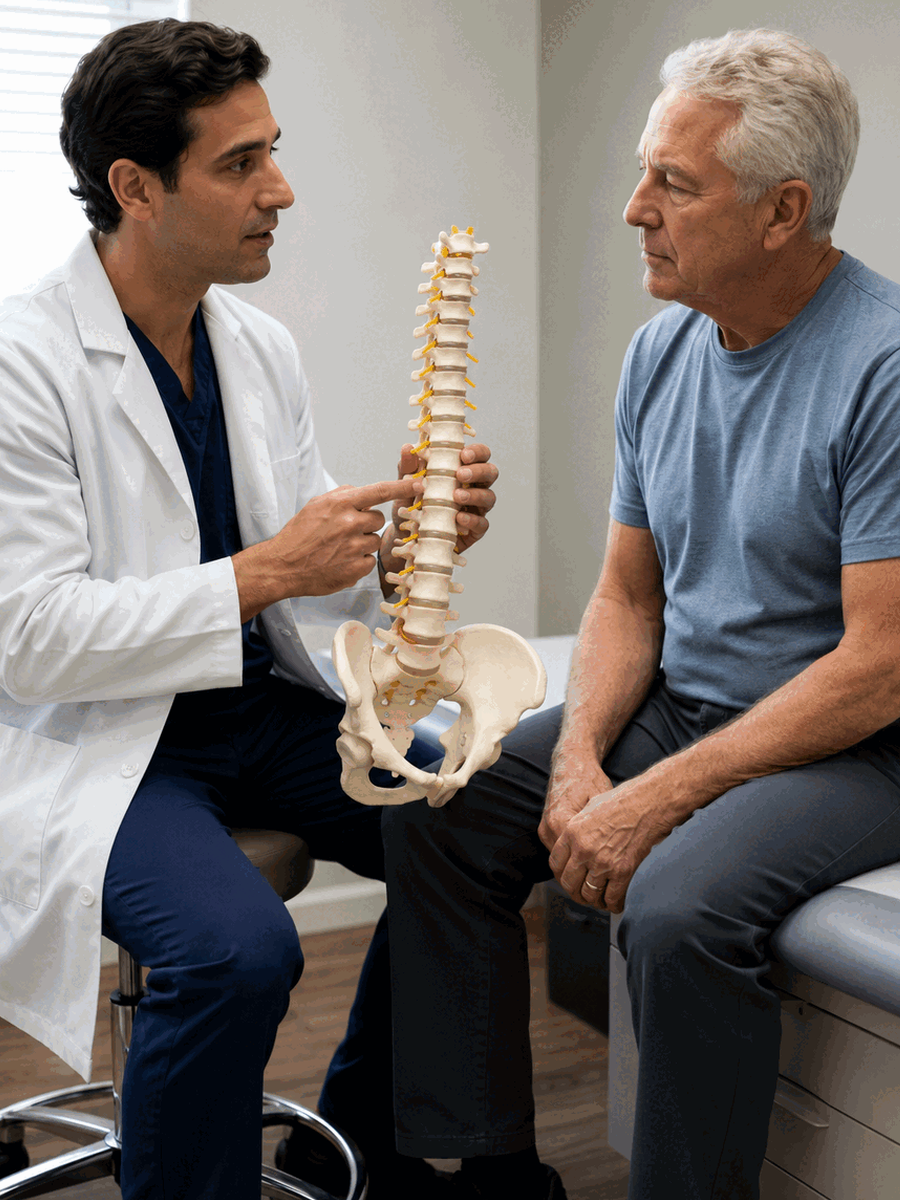
Sciatica treatment in Montreal
TAGMED Clinic Montreal / Mount Royal — Sciatica treatment in Montreal. Free examination, valued at CAD $85. Request your free examination and check availability…

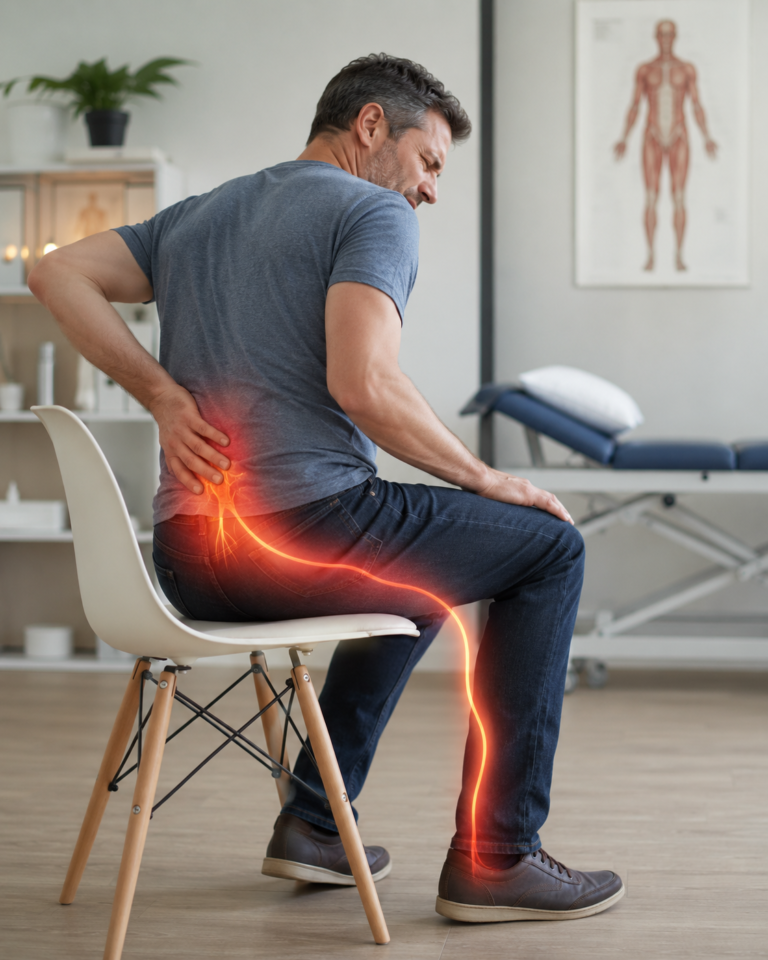
Herniated disc and sciatica when sitting: why sitting can make symptoms worse
TAGMED Clinic Montreal / Mount Royal — Herniated disc and sciatica when sitting: why sitting can make symptoms worse. Understanding the connection…
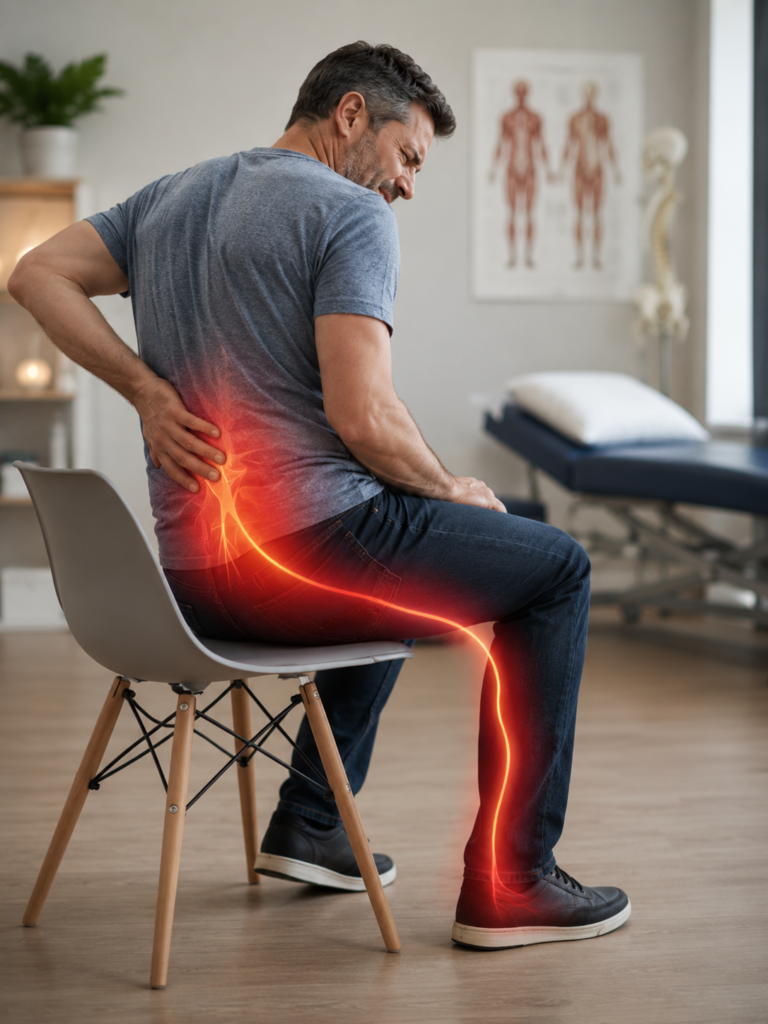
Sciatica when sitting: why does the pain increase?
TAGMED Clinic Montreal / Mount Royal — Sciatica when sitting: why does the pain increase? Clinical pointers, signs to monitor and next steps for…
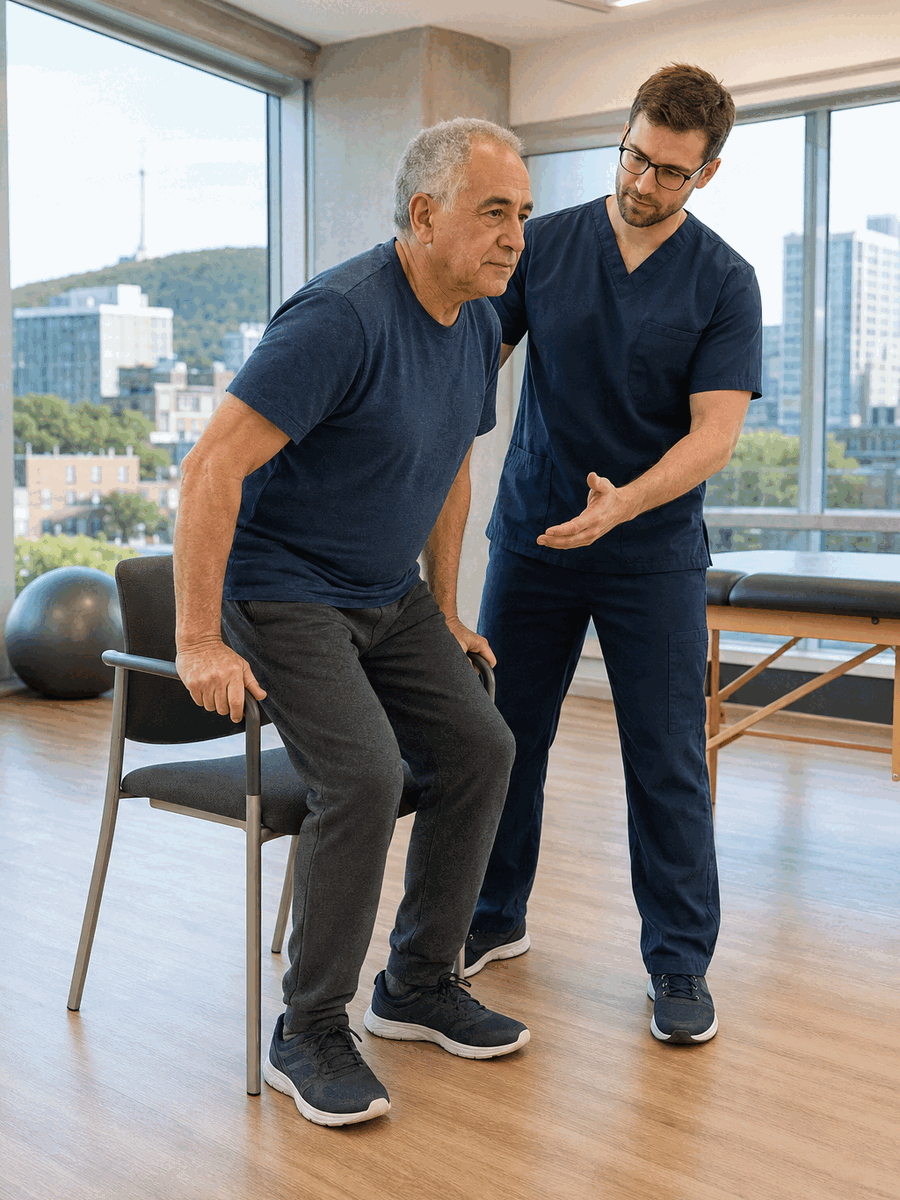
Sciatica relieved by sitting: a possible clue to lumbar stenosis
TAGMED Clinic Montreal / Mount Royal — Sciatica relieved by sitting: a possible clue to lumbar stenosis. Interpreting relief when sitting without…
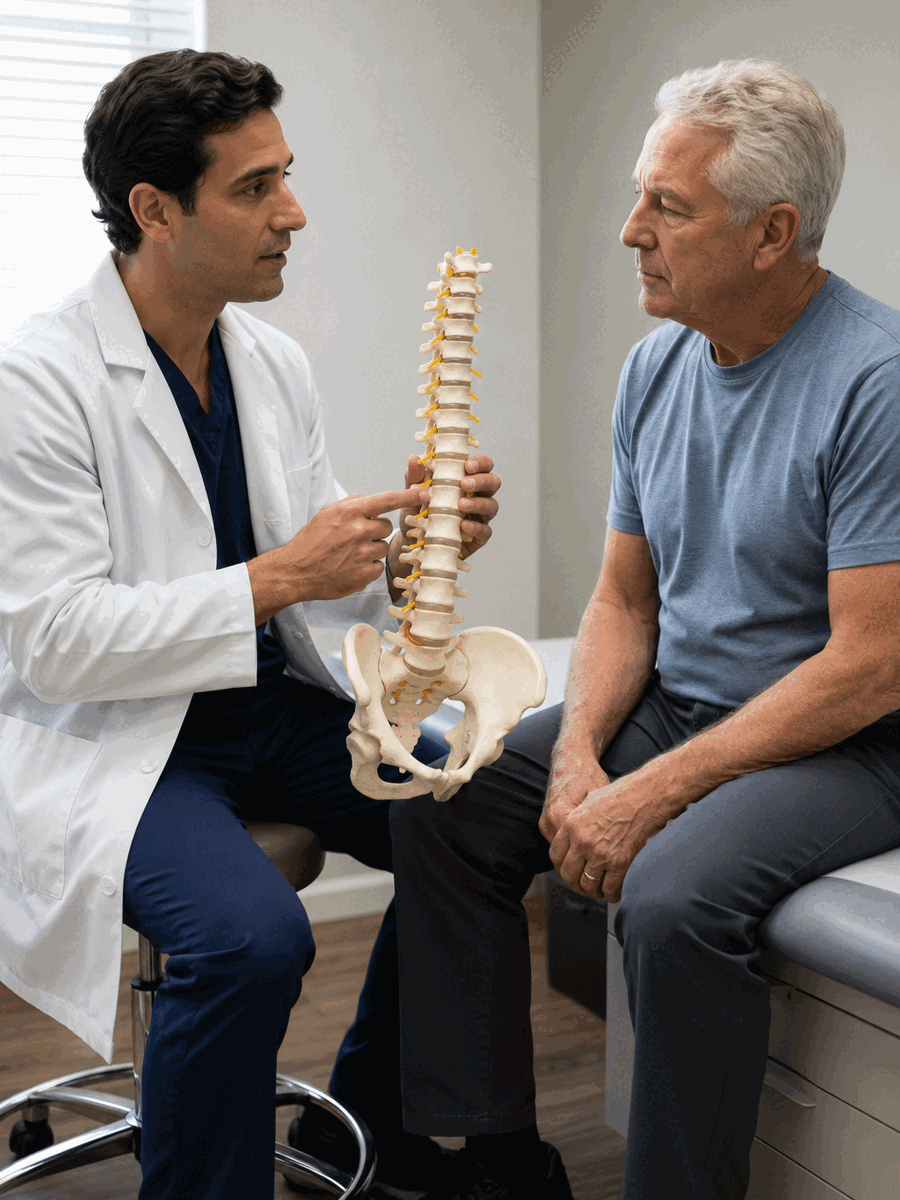
Sciatica at work: office work, standing, lifting and returning to tasks
TAGMED Clinic Montreal / Mount Royal · Topic overview — Work and ergonomics. Sciatica at work: office work, standing, lifting and returning to tasks…

Sciatica and standing work: organizing work without remaining still for too long
TAGMED Clinic Montreal / Mount Royal — Sciatica and standing work: organizing work without remaining still for too long. Workstation organization, varying positions,…