Cervical disc replacement: a quick return to normal life
02/05/26
Dynamic implants: role in the prevention of adjacent segment disease
02/05/26
Spinal surgery has long relied on vertebral fusion, a traditional solution aimed at stabilizing bone segments in the back to relieve pain and correct deformities. However, this rigid approach often results in a significant loss of spinal mobility, potentially leading to long-term complications such as degeneration of adjacent segments. To address this issue, medical and technological research has led to the development of modern and innovative alternatives, notably dynamic implants. These devices offer remarkable functional preservation, thus limiting rigidity while ensuring optimal stability. The use of these innovative surgical solutions, widely available in France and combined with personalized support, now allows Quebec patients to consider a more comprehensive and effective approach, both biomechanically and from a human perspective.
Beyond their innovative nature, these alternatives illustrate the excellence of the back surgery modern, driven by renowned French experts, and supported by a transatlantic network allowing for seamless transitions between Quebec and France. Collaboration with leading centers, such as the TAGMED Clinic, which also offers non-invasive treatments and a Spinal decompression therapy This advancement has made this approach a benchmark in terms of quality, safety, and scientific rigor. This new therapeutic era invites in-depth reflection on the potential benefits of minimally invasive surgery and dynamic locations. It offers promising prospects for those seeking efficiency, mobility, and risk reduction related to... merger traditional.
Dynamic implants: a revolution to preserve spinal mobility
One of the major challenges in spinal surgery The challenge is to reconcile stability and mobility. Traditional spinal fusion, while structurally effective, restricts movement between the fused vertebrae, which can increase pressure on adjacent vertebral segments. This increased rigidity often leads to premature wear, potentially causing persistent pain and sometimes requiring further interventions. In response to this, so-called dynamic implants have been developed to offer a more physiological alternative.
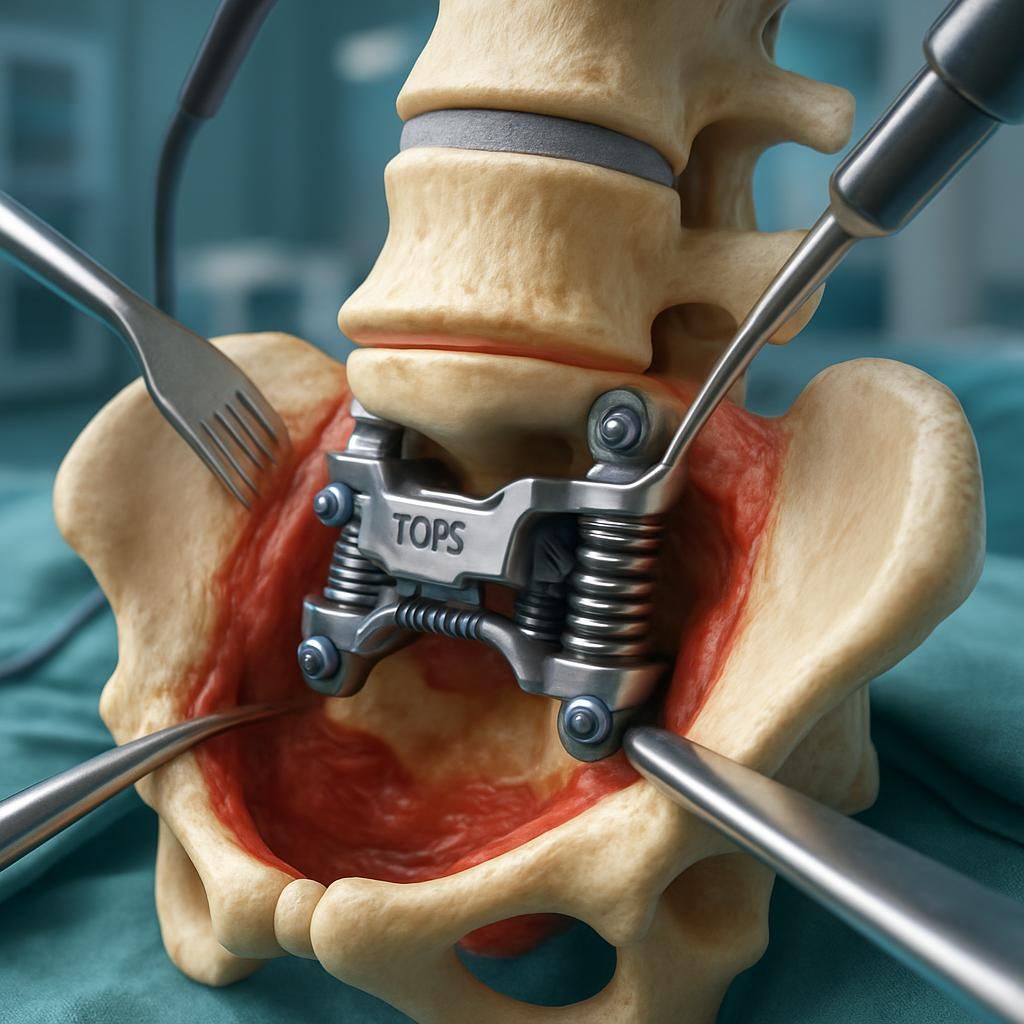
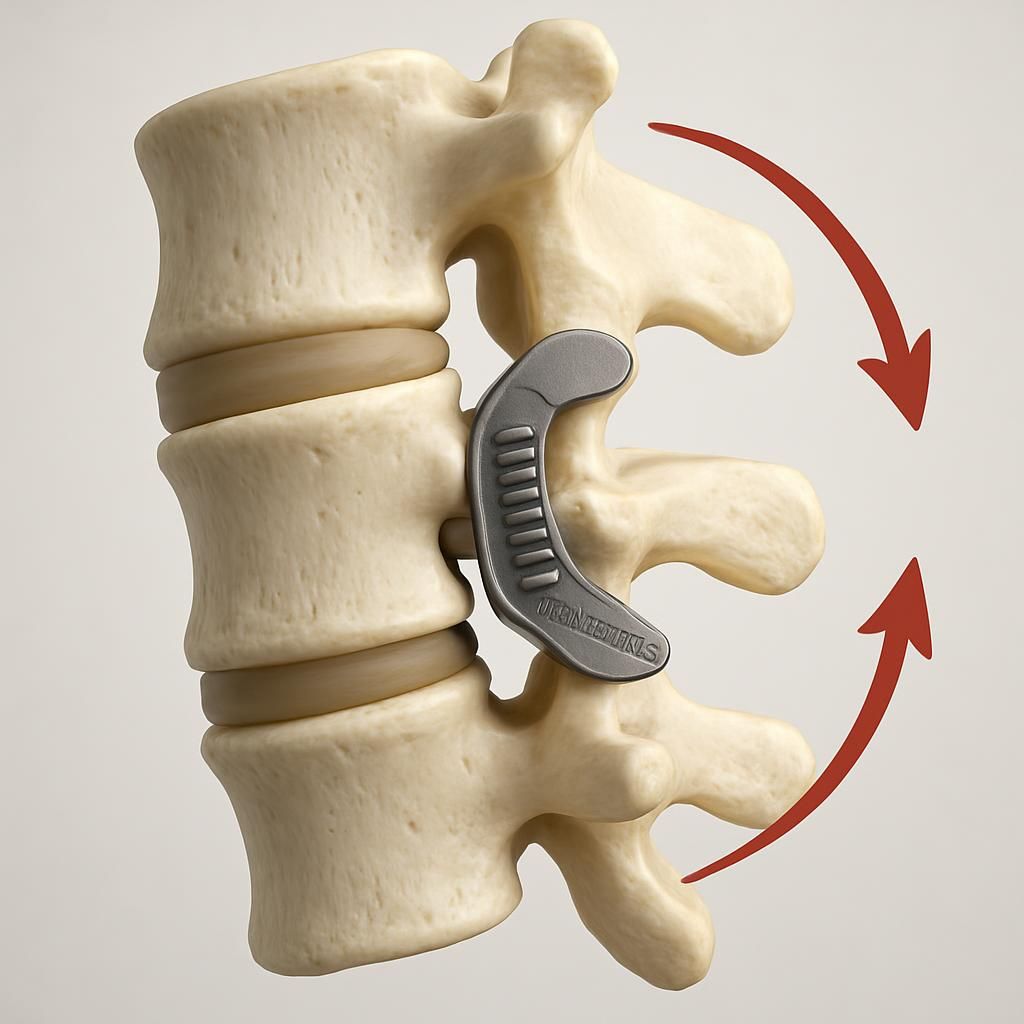
Among these innovations, the system TOPS The Total Posterior Spine System (TOPS) and the IntraSPINE implant are distinguished by their ability to preserve natural movement while stabilizing the spine. The TOPS acts as an intelligent posterior stabilizer that controls excessive movement at a vertebral level while allowing some flexion, extension, and rotation. The IntraSPINE implant, on the other hand, is positioned in the interspinous space to support the spine and reduce the load on the vertebral discs, thus promoting long-term spinal protection.
These dynamic implants mean reduced post-operative pain, faster functional recovery, and a better long-term quality of life. They represent a significant advance in spinal biomechanics, combining safety and technical innovation—two priorities consistently emphasized by experts in Lyon and their associated clinical networks. To better understand these solutions, it is recommended to consult detailed explanations on spinal fusion and modern alternatives in spinal surgery, available at [website address]. this dedicated site.
Personalized care pathway: transatlantic coordination for secure support
Choosing a spinal surgery procedure, whether traditional fusion or dynamic stabilization, requires a rigorous and perfectly coordinated multidisciplinary approach. Personalized support for Quebec patients referred to French surgical centers relies on close collaboration between specialists on both sides of the Atlantic, ensuring continuity of care and optimal management of medical records.
This process begins with a comprehensive assessment, often preceded by a phase of conservative treatments including non-invasive therapies such as osteopathy or physical rehabilitation. TAGMED Clinic, a key partner, offers these advanced options, including spinal decompression, before any surgical consideration. This protocol strictly adheres to the recommendation to postpone surgery until after 3 to 6 months of conservative management, in order to avoid premature interventions.
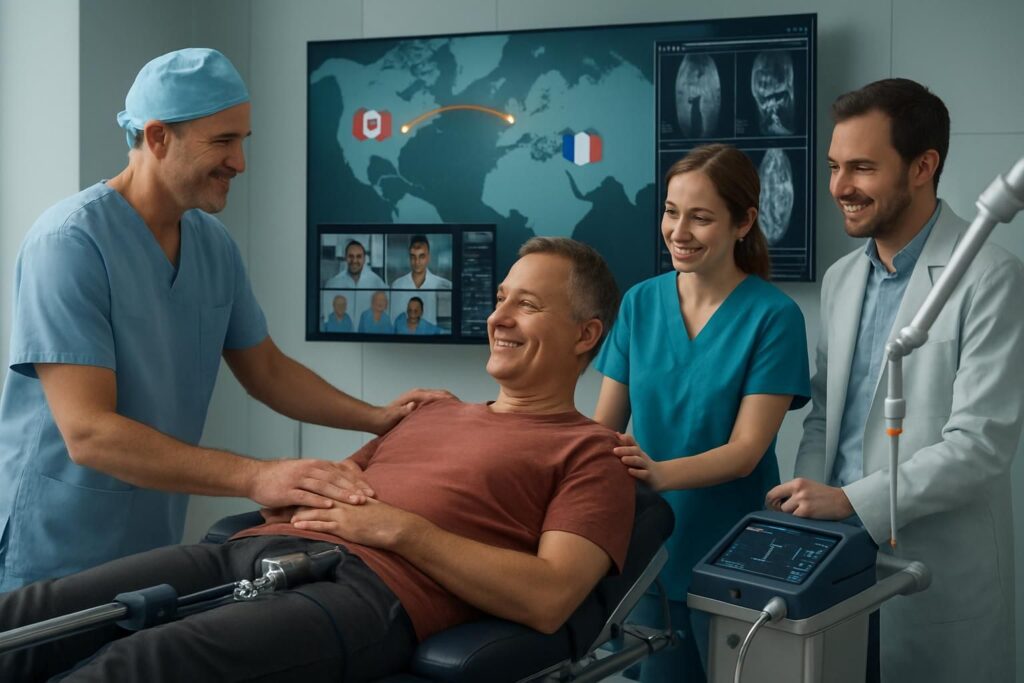
Then, once the surgical decision has been validated through multidisciplinary consultation, patients benefit from meticulous organization of their stay. This system includes transatlantic logistical coordination, the appointment Pre-operative consultations via teleconsultation with specialized French surgeons, as well as access to highly equipped clinics. Thanks to the care and professionalism of these teams, each patient is guided towards a perfectly tailored procedure, reinforced by comprehensive personalized post-operative follow-up.
This exemplary coordination is a valuable guarantee for those who wish to benefit from the best surgical techniques while enjoying the quality of French healthcare. The details and benefits of this pathway are explained in specialized resources, accessible in particular on the platform. fusion vs. dynamic stabilization, offering a clear overview of the issues.
Biomechanical and functional advantages of innovative back implants
Dynamic implants represent a significant advancement, particularly in biomechanics, where preserving spinal mobility is essential to limiting the rigidity induced by traditional fusion. By maintaining controlled movement at the operated vertebra, these implants reduce stress on neighboring discs and joints, thus helping to prevent osteoarthritis and secondary degeneration.
Recent studies have shown that patients using the TOPS or IntraSPINE system retain a greater range of motion compared to those with rigid fusion. This flexibility not only improves their quality of life but also facilitates a return to moderate physical activity, leading to faster and more complete rehabilitation. The ability to avoid prolonged immobilization also offers significant psychosocial benefits, promoting greater independence and improved well-being.
In addition, the use of dynamic implants integrates perfectly into minimally invasive surgical techniques, which reduce trauma to surrounding tissues and accelerate recovery. These procedures, combined with a rigorous personalized rehabilitation protocol, illustrate the importance of a comprehensive, patient-centered strategy. To explore the biomechanical differences between fusion and dynamic stabilization, specialized educational resources are available on [website/platform name]. the impacts on mobility.
Traditional surgeries and complementary innovations: how to choose?
Despite the dramatic advances in dynamic implants, spinal fusion remains a proven solution in certain cases, particularly when absolute stability is imperative, such as in cases of severe instability or major deformity. It is essential to assess each situation individually, taking into account the patient's symptoms, the degree of disc degeneration, and the desired functional outcomes.
Traditional fusion techniques can be combined with simple decompression procedures, aiming to release compressed nerves and thus reduce neurological pain. These methods remain cornerstones of spinal surgery, while being progressively enhanced by minimally invasive approaches, limiting complications and optimizing recovery.
The choice between merger, dynamic stabilization or even cervical disc replacement must be based on in-depth dialogue with specialists and a complete assessment. Disc replacement, for example, is another particularly interesting alternative at the cervical level, restoring physiological movement while treating disc pathology. These options are described in detail with their specific indications to help patients understand the issues, particularly on expert platforms such as alternatives to cervical disc replacement.
Here is a comparative table of the main characteristics of the different surgical options:
| Technical | Mobility preserved | Recovery time | Specific risks | Main indications |
|---|---|---|---|---|
| Spinal fusion | No (induced rigidity) | Long (6-12 months) | Degeneration of adjacent segments | Severe instability, serious deformations |
| Dynamic implants (TOPS, IntraSPINE) | Yes (controlled movement) | Moderate (3-6 months) | Rare complications related to the implant | Preservation of mobility, moderate pain |
| Cervical discopathy – disc prosthesis | Yes (almost naturally) | Moderate (3-6 months) | Prosthesis migration, wear | Cervical pathologies without major instability |
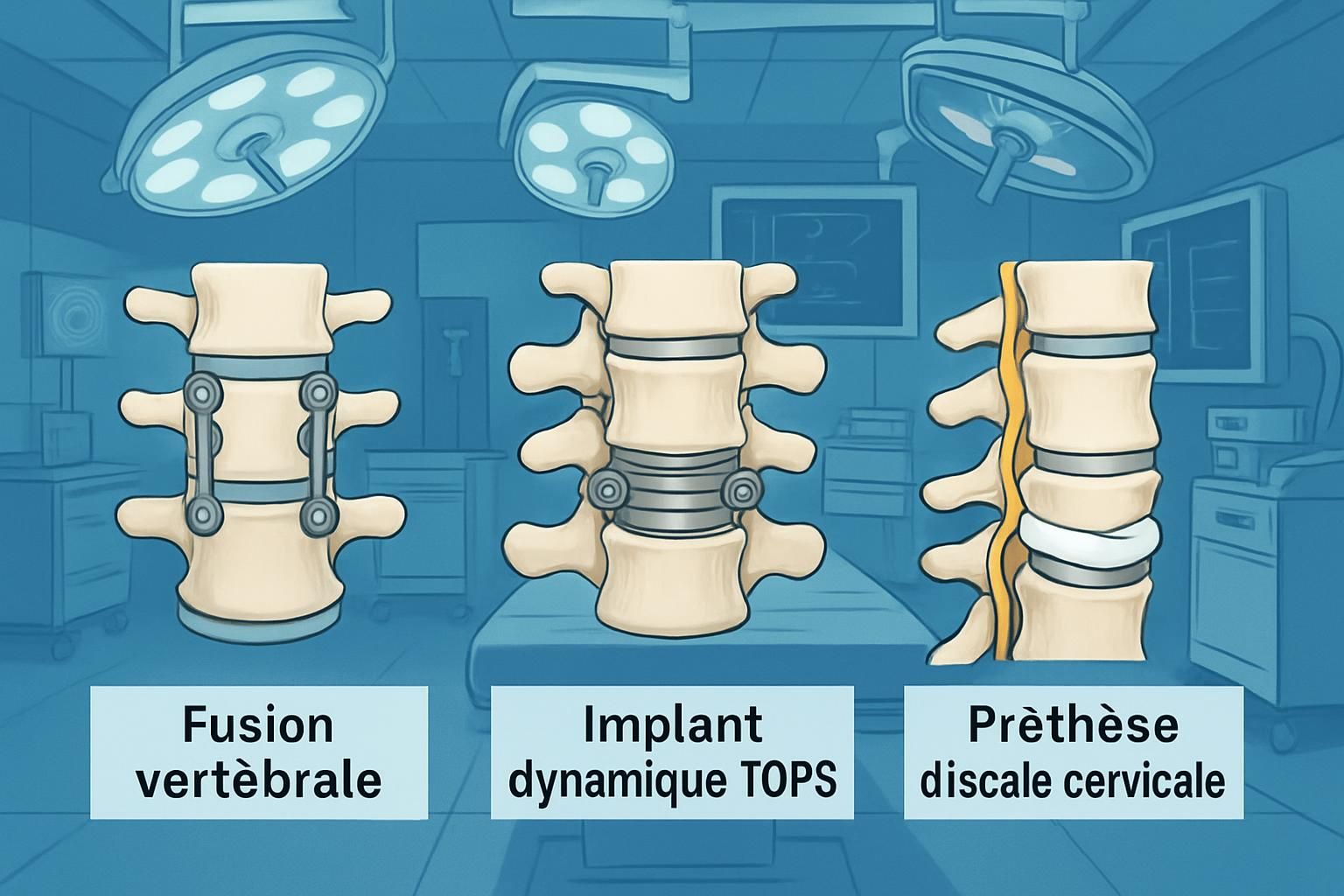
Comparison of modern alternatives to avoid spinal stiffness
| Technical | Mobility preserved | Recovery time | Specific risks | Main indications |
|---|
Optimizing rehabilitation and post-implantation monitoring: keys to success
Surgery alone is not enough to guarantee the success of spinal surgery. A rigorous rehabilitation phase is essential to optimize functional outcomes and minimize the risk of complications. Personalized rehabilitation, focused on regaining flexibility, strengthening muscles, and managing pain, is a crucial step supported by specialized professionals.
Post-operative follow-up protocols also include’regular evaluation of the implant's condition and spinal mobility, thanks to high-precision medical imaging and clinical monitoring. Non-invasive treatments such as osteopathy integrate perfectly into this process, facilitating a return to a satisfactory quality of life under the best possible conditions.
The comprehensive and coordinated care provided between Quebec and France ensures continuous and reassuring support. Patients benefit from tailored remote follow-up, including telehealth consultations and rapid response when needed. This holistic approach aims to reduce the risk of long-term complications and promote optimal rehabilitation, whether following traditional fusion or dynamic implantation.
In summary, modern alternatives to spinal fusion fit into an integrative care pathway, where each step is designed to maximize functional performance and minimize pain. For more information on follow-up protocols and recommended practices, it is advisable to consult [link to relevant information]. this specialized information.
What is spinal fusion?
Spinal fusion is a surgical procedure that involves fusing two or more vertebrae to stabilize a section of the spine in order to reduce pain or correct a deformity. This technique blocks movement between the affected vertebrae, which can lead to stiffness.
What are the advantages of dynamic implants?
Dynamic implants, such as TOPS and IntraSPINE, allow stabilization without completely blocking movement, thus preserving the natural mobility of the spine and reducing pressure on adjacent segments, which limits stiffness and related complications.
When should back surgery be considered?
Surgery is generally considered after a minimum of 3 to 6 months of conservative treatments, including non-invasive techniques and neurovertebral decompression, in order to avoid premature interventions.
How does post-operative follow-up take place?
The follow-up involves personalized rehabilitation to regain mobility and strength, regular medical imaging assessments and telehealth consultations that ensure continuous monitoring, facilitated in a context of cooperation between Quebec and France.
What are the major differences between fusion and dynamic stabilization?
Fusion results in complete immobilization of the treated vertebral segment, while dynamic stabilization maintains controlled movement, limiting stiffness and degeneration of adjacent segments, resulting in a better quality of life.