IntraSPINE®: surgery
02/06/26
Dynamic stabilization: principles
02/08/26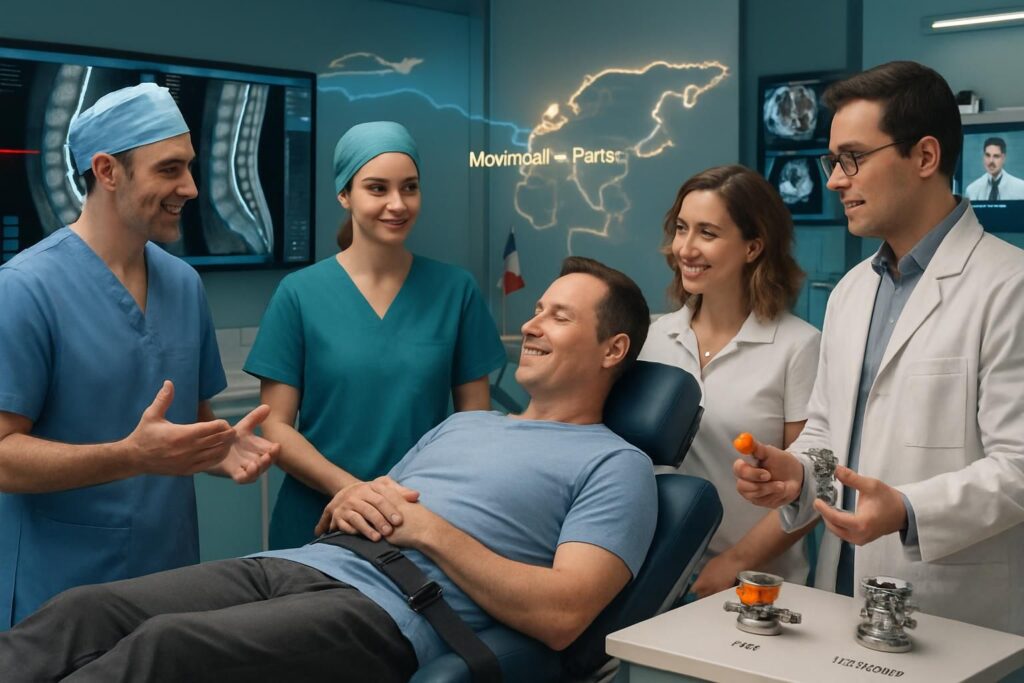
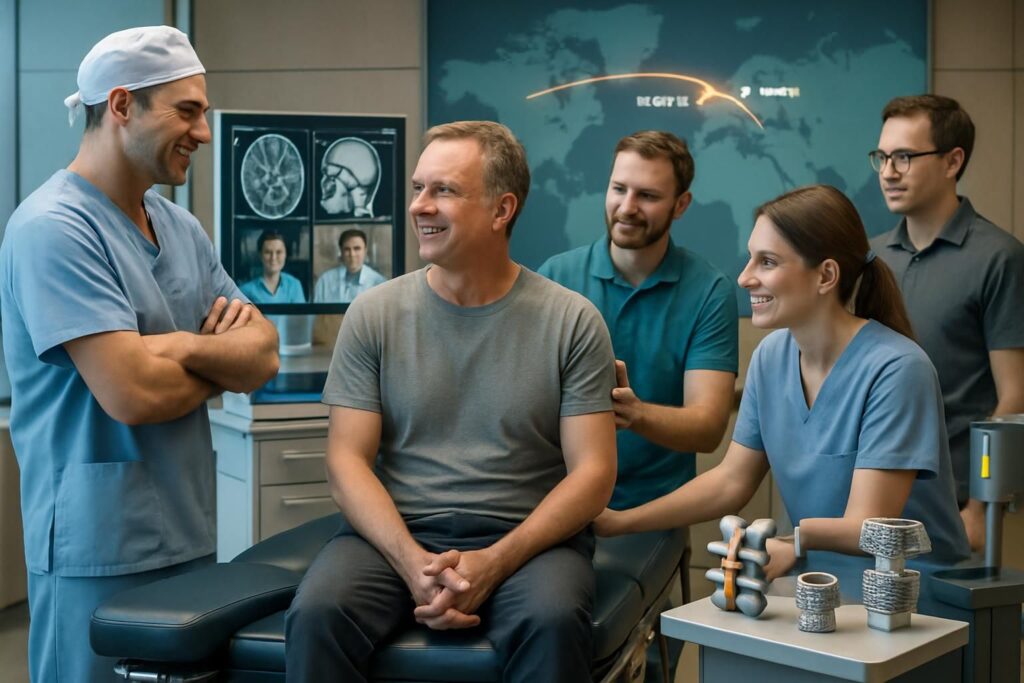
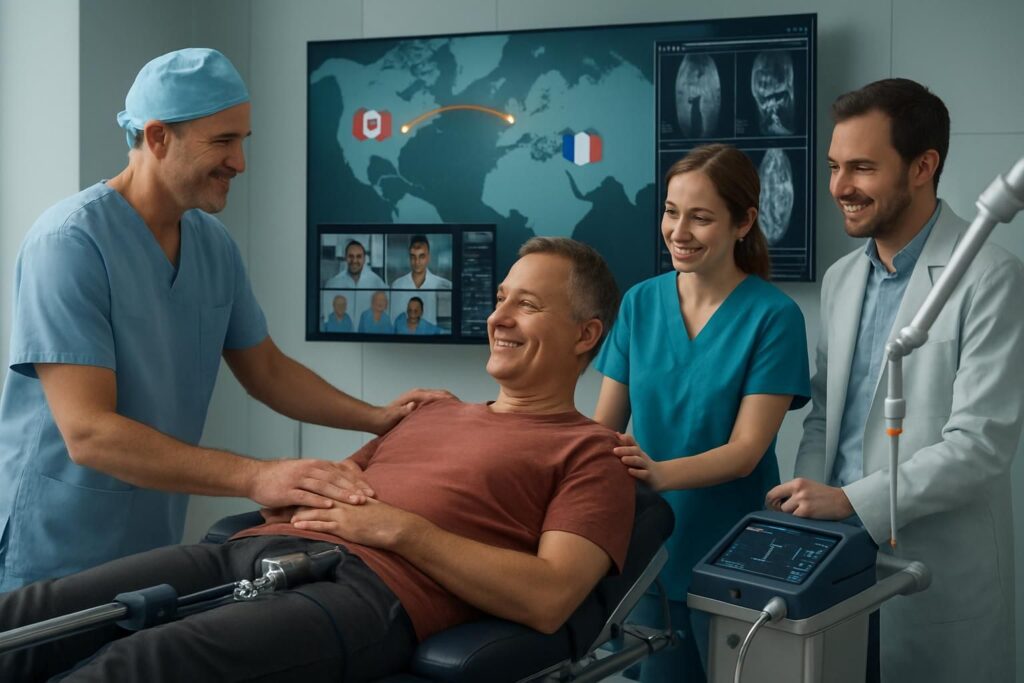
Spinal fusion surgery is a procedure often considered to treat chronic back or neck pain that does not respond to conservative treatments. In France, thanks to recognized expertise and technological innovations in spinal implants, Quebec patients have access to sophisticated and personalized surgical solutions. These techniques include both traditional fusion methods and less invasive alternatives, such as TOPS or IntraSPINE dynamic implants, which preserve spinal mobility while stabilizing the spine. However, each operation carries risks that must be carefully assessed and understood, particularly in the transatlantic context where medical coordination plays a crucial role. The emphasis placed on safety, scientific rigor, and comprehensive patient support ensures the quality of care provided, while also highlighting the need for open and informed communication.
Before considering spinal fusion, it is essential to have undergone conservative treatments for at least 3 to 6 months, including neurovertebral decompression, offered notably by advanced centers such as the TAGMED CLINIC. This space encourages reflection on the benefits and risks, so that the surgical decision is based on a personalized and informed assessment, ensuring a successful and safe care pathway. This article explores in depth the specific risks associated with... merger spinal cord, as well as innovations and strategies to limit these complications.
Major surgical risks associated with spinal fusion
Spinal fusion, whether lumbar or cervical, involves an invasive procedure that stabilizes the vertebrae by fusing them together using implants, often screws and intervertebral cages. While this operation can reduce pain associated with disc instability or degeneration, it presents a number of risks. surgical risks which it is important to anticipate. Among these risks, Postoperative infection remains a complication This dreaded complication may require further intervention and prolonged antibiotic treatment. Rigorous management of preoperative conditions and a sterile environment are essential to minimize this risk.
The nerve damage This is another potential danger that can occur during manipulation of nerve roots or the spinal cord. Depending on the case, it can lead to sensory loss, motor disorders, or persistent neuropathic pain. French surgical expertise, combined with cutting-edge technologies, minimizes these incidents through improved visualization and precise guidance during the operation.
Furthermore, a merger failed where the bones do not fuse properly, is a complication that can prolong pain and require further surgery. The use of dynamic implants such as the TOPS system or IntraSPINE This offers an innovative alternative by reducing spinal rigidity, which can promote better bone healing and preserve mobility. These approaches are judiciously proposed after a thorough analysis of the patient's profile.
The deep vein thrombosis (DVT), although less common, represents a serious postoperative risk due to prolonged immobilization. Early mobilization and rigorous medical follow-up are essential to prevent this potentially serious complication. The coordinated care pathway between Quebec and French teams, particularly with platforms such as SOS Medical Tourism, guarantees a comprehensive approach to this issue.
Finally, the Chronic Pain These symptoms may persist or appear after the procedure, sometimes due to fibrositis or other neurological complications. Multidisciplinary care is then recommended to optimize quality of life. Surgery is only justified when conservative alternatives have been exhausted, a validation confirmed by experts and specialized centers such as the TAGMED CLINIC.
Postoperative complications frequently observed after spinal fusion
After spinal fusion surgery, patients may experience various postoperative complications. One of the most frequently reported is column rigidity, This is a direct consequence of the stiffening of the fused vertebral segments. While fusion stabilizes the problematic area, it mechanically reduces local mobility, potentially leading to discomfort or functional limitations. Dynamic implants, recommended by some experts, represent a major innovation by preserving a certain range of motion, thus reducing this discomfort.
The reduced mobility In a wider area than the operated segment, this can also occur because adjacent vertebrae are subjected to greater mechanical stress. This phenomenon, sometimes called "adjacent junction syndrome," can cause secondary pain or accelerated degeneration and requires careful long-term monitoring.
In some cases, mechanical complications related to the implants themselves can occur. For example, displacement or fracture of the implant material, although rare, may require corrective intervention. The choice of an appropriate surgical technique and mastery of cutting-edge French implant technologies such as the TOPS system demonstrate a commitment to providing reliable and safe treatment.
Another key point is the management of postoperative pain. Prolonged or chronic pain can result from inflammatory or neuroplastic processes. To reduce this risk, minimally invasive surgical techniques are preferred in certain cases, minimizing tissue distress and promoting faster healing. This approach is one of the specialties of the TAGMED CLINIC recognized for its expertise in conservative and surgical solutions.
Post-operative care also includes infection prevention, careful monitoring of neurological status, and a personalized rehabilitation program to promote optimal functional recovery. Transatlantic support is a key factor in the success of the overall treatment, with continuous communication between the patient and the French and Quebec healthcare teams.
Innovative alternatives to spinal fusion to limit the risks
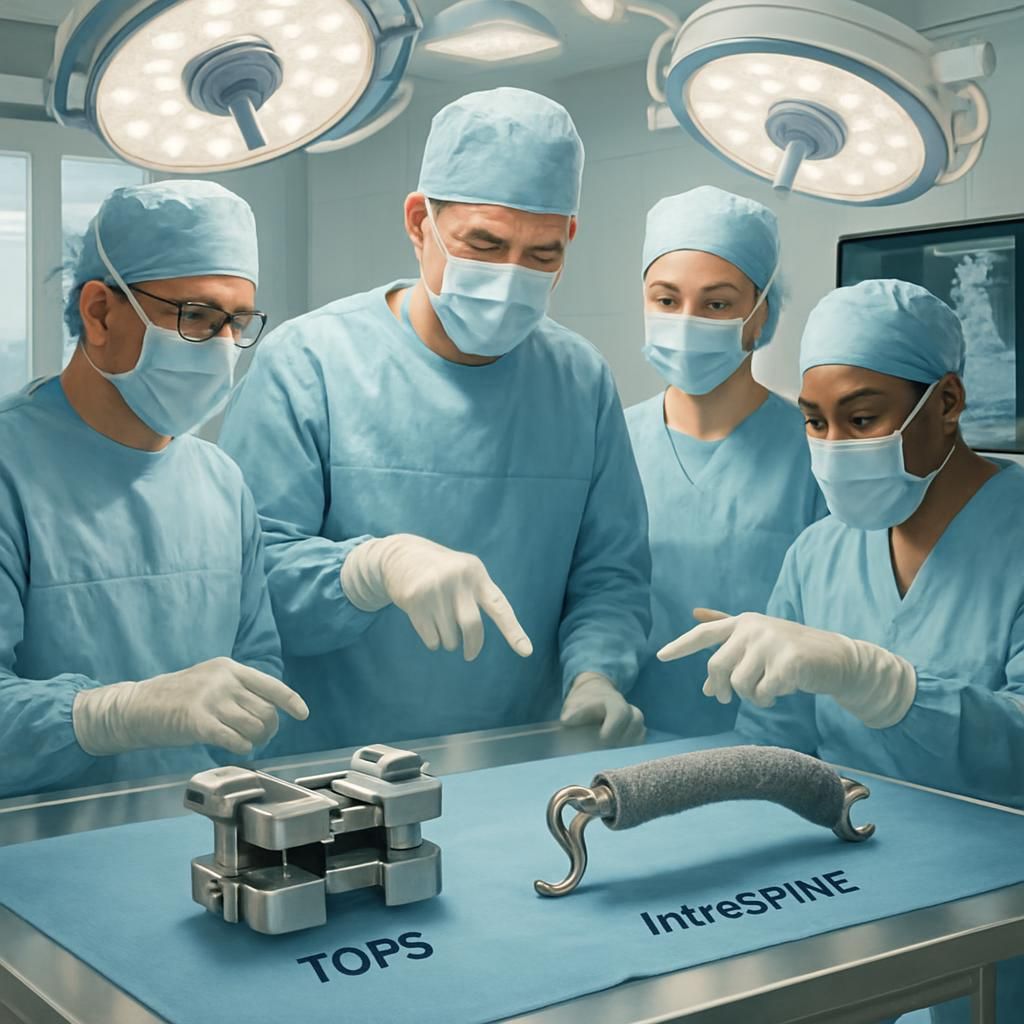
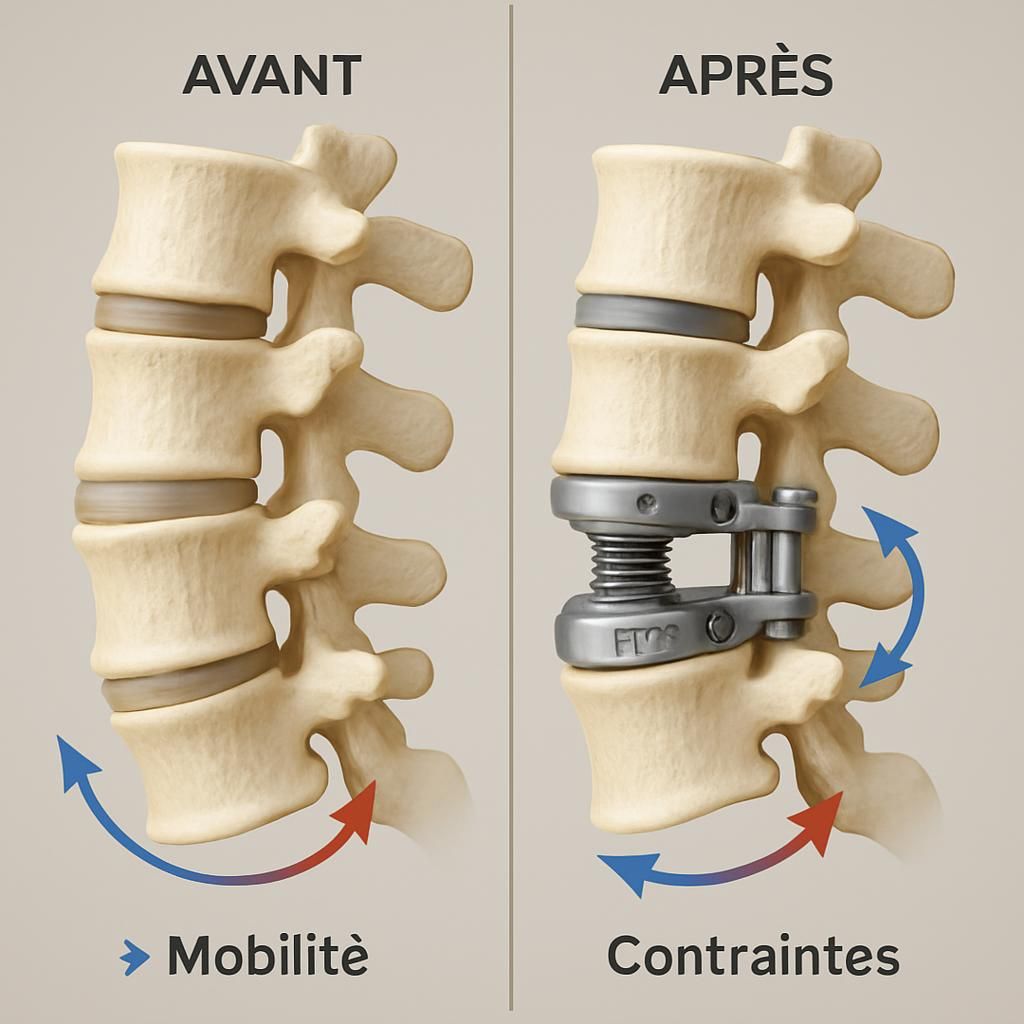
Advances in surgical techniques now offer alternatives to traditional spinal fusion, particularly suited to patients wishing to preserve functional mobility while treating their condition. Dynamic implants such as the TOPS system and the IntraSPINE device exemplify this major breakthrough in the field of spinal surgery.
These implants facilitate stabilization while maintaining a certain range of segmental motion, thus avoiding the rigidity often associated with traditional fusion. The French-developed TOPS system offers precise control of mobility, reducing stress on adjacent segments and limiting the risk of accelerated degeneration. The IntraSPINE device, meanwhile, acts as an internal support placed between the vertebrae, offloading loads and improving spinal biomechanics.
These innovative methods, supported by rigorous scientific documentation, are integrated into a comprehensive therapeutic strategy that includes thorough evaluation, personalized support before and after surgery, and long-term follow-up. The experience of spinal implant experts and collaboration with leading centers in France provide further guarantees of the efficacy and safety of these solutions.
These alternatives are particularly recommended when the risks associated with traditional fusion are deemed too high, or when the patient expresses a clear need to maintain an active quality of life with preserved mobility. Thus, they represent an important step in the modernization and humanization of back care.
For those considering this path, a coordinated care pathway, including remote consultations with Franco-Quebec multidisciplinary teams, facilitates access to these innovations with comprehensive support. Centers like the TAGMED Clinic provide an effective bridge between conservative medicine and advanced surgical options such as the IntraSPINE implant.
Transatlantic coordination and personalized patient support
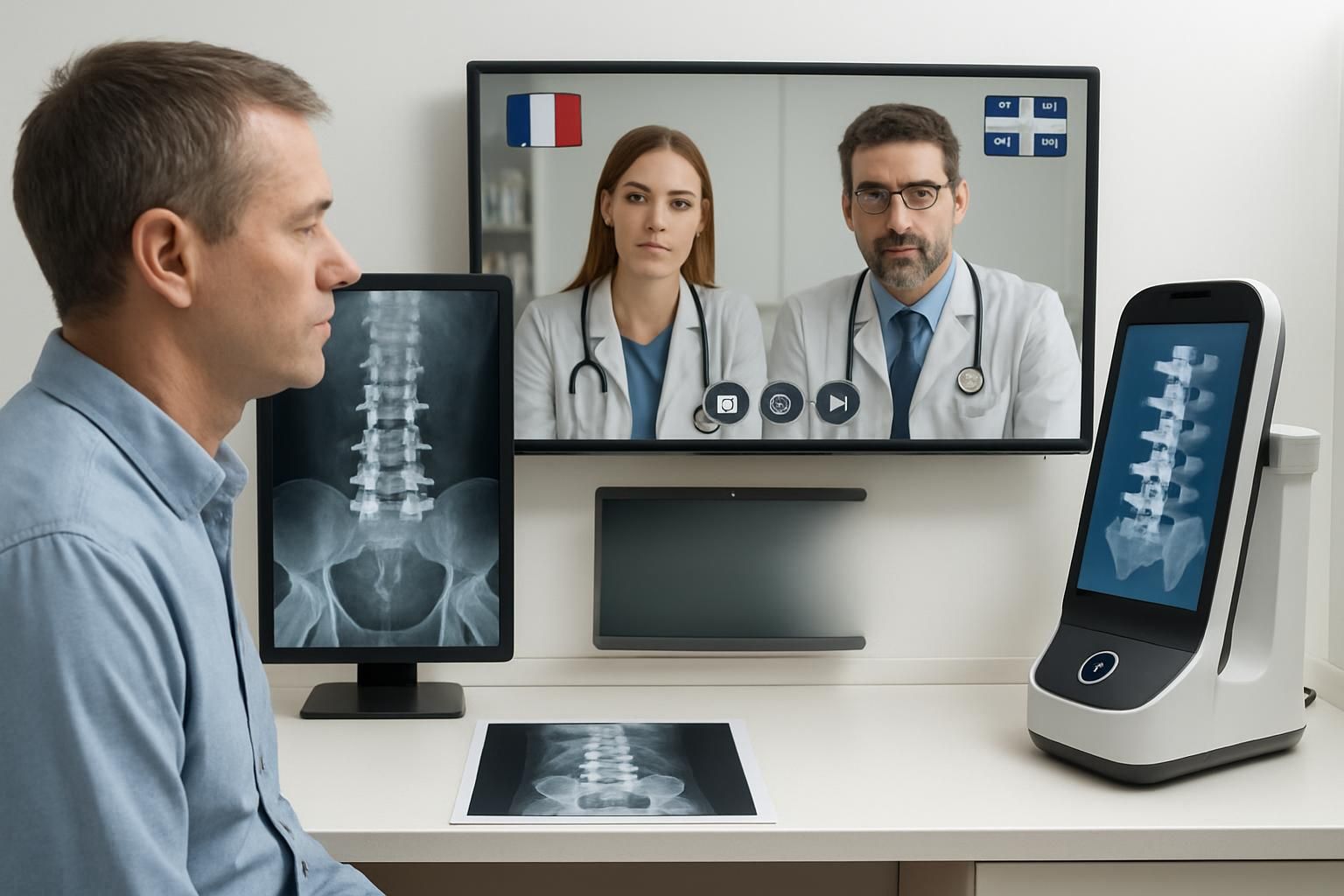
The surgical process for spinal fusion, particularly for Quebec patients considering surgery in France, requires meticulous and compassionate organization. Transatlantic coordination aims to ensure a seamless continuum of care, from the initial assessment to post-operative follow-up.
The first key step is the personalized analysis of clinical, imaging, and general condition data, conducted jointly by French and Quebec specialists. This step determines the most appropriate surgical technique, whether it be a traditional fusion or a dynamic implant. The role of the spinal implant expert is to guide and inform the patient about these options, clearly explaining the biomechanical benefits and the surgical risks potential.
Once the decision is made, administrative and logistical support is provided. put In place, including appointment scheduling, hospital planning, and preparation for the medical stay. During the procedure and recovery phase, the local French team provides close monitoring using standardized, safe, and innovative protocols. After returning to Quebec, coordination with local professionals ensures continuity of care and functional rehabilitation.
This thorough process aligns with the values of empathy, rigor, and innovation upheld by partner centers such as Clinique TAGMED and SOS Tourisme Médical. The patient thus benefits from comprehensive support, both personal and technical, essential for the success and peace of mind of their surgical procedure.
This Franco-Quebec synergy is a unique model of personalized support, promoting informed decision-making and the enhancement of a comprehensive journey where each step is managed with expertise and care.
Follow-up, recommendations and risk management after spinal fusion
The postoperative phase following spinal fusion is crucial for long-term success and the prevention of complications. Regular follow-up is essential to monitor the progress of bone healing, the mechanical stability of the spine, and to identify any signs of infection or other complications early on. Chronic Pain.
The recommendations include a tailored rehabilitation protocol aimed at strengthening stabilizing muscles without compromising bone fusion. Progressive mobilization is encouraged to avoid the formation of a deep vein thrombosis and to stimulate blood circulation.
A summary table of postoperative points of vigilance helps to clarify expectations and measures to be taken:
| Risks and complications | Clinical signs | Recommended measures |
|---|---|---|
| Infection | Redness, heat, local pain, prolonged fever | Urgent consultation, antibiotic therapy, sometimes re-intervention |
| Merger failed | Persistent pain, mechanical instability | Regular imaging, consideration of a complementary surgical procedure |
| Nerve damage | Sensory/motor abnormalities, neuropathic pain | Neurological monitoring, symptomatic treatment, physiotherapy |
| Deep vein thrombosis | Swelling, calf pain, local heat | Anticoagulant medications, early mobilization |
| Reduced rigidity/mobility | Stiffness, limited movement | Functional rehabilitation, dynamic implants as an alternative |
Proactive risk management and open dialogue between patients and healthcare teams are key factors. In this regard, collaboration with centers that have mastered innovations such as the IntraSPINE implant or the TOPS system optimizes outcomes and ensures a safer patient journey.
In parallel, it is important to remember that surgery remains an option after exhausting all conservative treatments, lasting a minimum of 3 to 6 months, validated by specialists and with the support of leading centers such as the TAGMED CLINIC. This rigor in therapeutic choice guarantees the patient appropriate, innovative and safe care.
Quiz: Spinal fusion & surgical risks
What are the main risks associated with spinal fusion?
Risks include infection, nerve damage, fusion failure, chronic pain, and deep vein thrombosis. These complications require careful management and appropriate follow-up.
Why favour dynamic implants like TOPS or IntraSPINE?
These implants help stabilize the spine while preserving mobility, thus reducing the risk of stiffness and degeneration of adjacent segments.
What is the recommended pathway before spinal fusion surgery?
A complete conservative treatment lasting 3 to 6 months is recommended, including in particular the Spinal decompression therapy, before any surgical decision.
How is follow-up provided after surgery?
The follow-up is multidisciplinary, with regular check-ups to monitor fusion, prevent complications and support functional rehabilitation.
How can I access the healthcare pathway in France for spinal fusion?
By contacting SOS Medical Tourism, patients can plan a personalized assessment and comprehensive support in specialized centers recognized for their expertise and innovations.



 Français du Canada
  English (Canada)