IntraSPINE®: a solution for debilitating lower back pain
02/05/26
TOPS™: Surgical innovation in France and Canada
02/05/26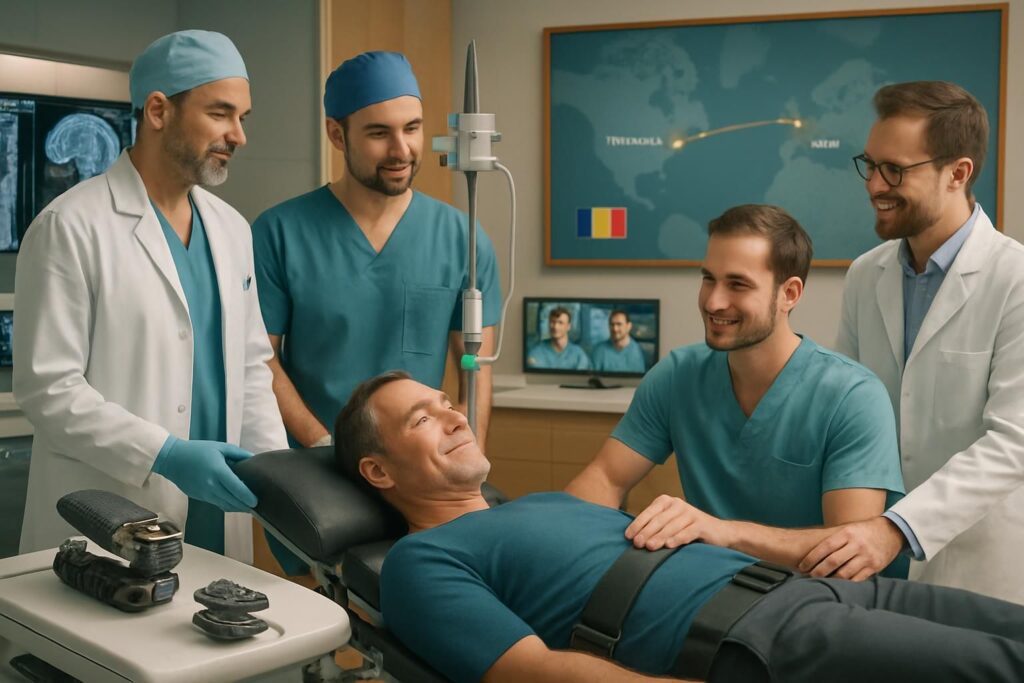
Managing chronic lower back pain raises many questions, particularly when considering invasive surgeries such as lumbar fusion. This traditional procedure, often seen as a radical solution, has limitations in terms of mobility, recovery, and potential risks. Today, technological advances in back surgery offer relevant alternatives based on dynamic implants that preserve the natural biomechanics of the spine. These innovations, available notably in leading centers in France, bring new hope to Quebec patients facing debilitating lower back pain by offering less invasive surgical options and personalized, transatlantic support.
In this context, it is essential to understand the different options available, their implications in terms of surgical risks, and the personalized treatment plan. put in place to ensure optimal, safe, and tailored care. Expertise in implants such as TOPS And IntraSPINE, combined with rigorous monitoring and Franco-Quebec coordination, makes this innovative approach particularly interesting. This path to recovery can only be considered after a phase of comprehensive conservative treatments, including rehabilitation and neurovertebral decompression, offered in facilities such as the TAGMED CLINIC. It is within this framework that every patient deserves an informed assessment, attentive to their specific needs and respecting scientific rigor and safety.
The specifics and risks of traditional lumbar fusion
The merger Lumbar fusion, also called spinal fusion, involves fusing two or more lumbar vertebrae to stabilize the spine. This traditional technique relies on eliminating movement between the affected vertebrae through the installation of interbody cages, screws, and metal plates. Although recognized and used for several decades, lumbar fusion is not without risks and long-term consequences, which must be understood before making any decision.
Surgical risks associated with lumbar fusion
The procedure carries risks common to all surgery Major risks include infections, bleeding, nerve damage, and postoperative pain. In addition to these risks, specific complications such as non-fusion (pseudarthrosis), which may require further surgery, must be considered. Reduced mobility at the fused site also exposes the spine to the risk of overcompensation in adjacent segments, which can degenerate more rapidly over time, leading to further pain or deficits.
Recovery after lumbar fusion is often lengthy and requires rigorous physiotherapy. During this period, patients must learn to protect their back while mobilizing the unfused segments to prevent overall functional loss. These constraints impact quality of life and the resumption of professional and sporting activities.
Concrete examples and case studies
Several studies highlight that the complication rate increases with the number of vertebral levels fused, as well as with the patient's age and comorbidities. For example, a 60-year-old patient undergoing spinal fusion at three lumbar levels will be at greater risk of nonunion and residual pain. This data calls for a cautious approach, with a treatment plan tailored to each individual patient.
Furthermore, a recently published clinical report highlights that fusion, while well-indicated in certain cases of scoliosis or unstable spondylolisthesis, may not always be the best option for chronic lower back pain without major deformity. A thorough examination of alternatives is therefore essential, particularly within the context of modern surgery.
Dynamic implants: an innovative alternative to lumbar fusion
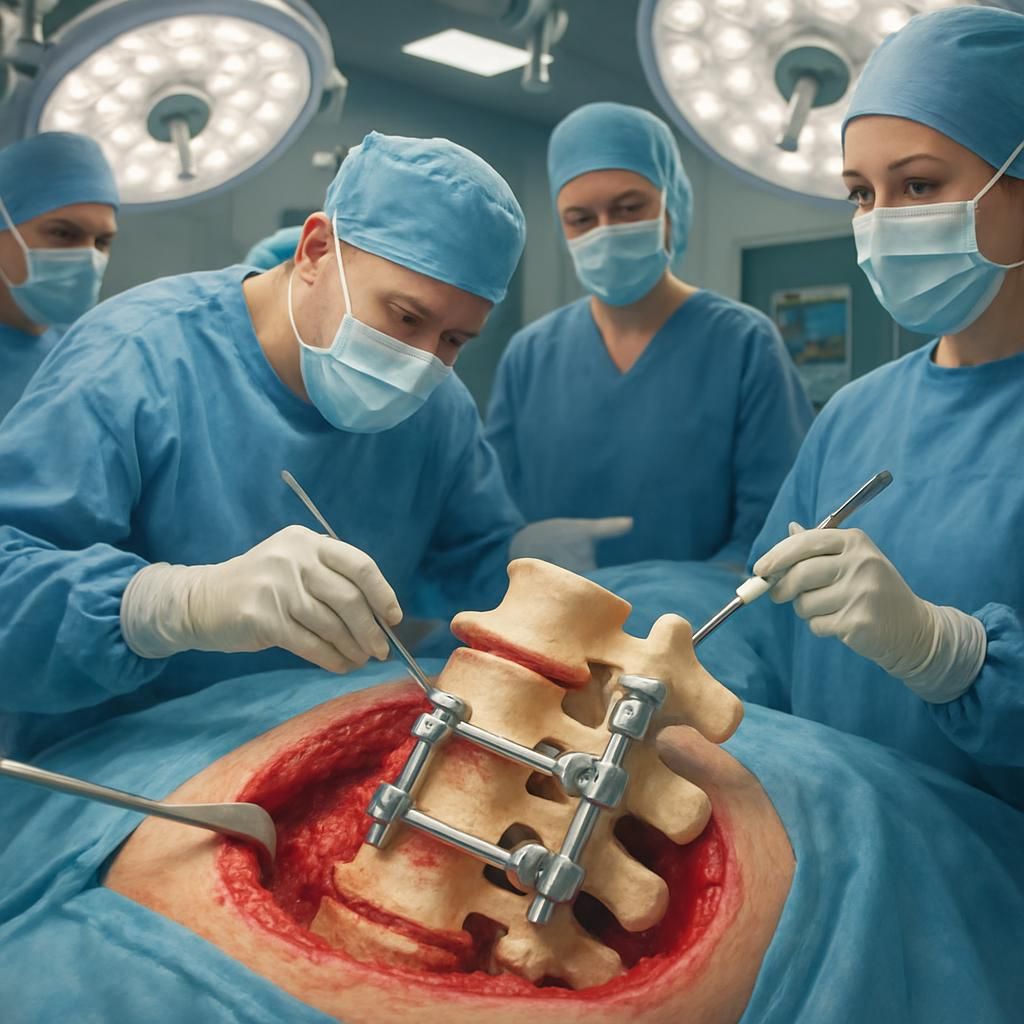
Faced with the limitations of arthrodesis, the back surgery Today, the focus is shifting towards solutions that preserve spinal mobility and reduce secondary impacts. Dynamic implant systems, such as the TOPS or the’IntraSPINE, These devices represent cutting-edge technologies developed in collaboration with specialized surgical centers in France. They aim to maintain natural biomechanical function while effectively treating pain and spinal instability.
Functioning and biomechanical benefits
Contrairement à la fusion, les implants dynamiques n’immobilisent pas les vertèbres solidement. Le système TOPS, par exemple, permet de stabiliser le segment lombaire tout en autorisant un certain degré de mobilité contrôlée. Cette flexibilité contribue à préserver la mobilité globale du rachis et à limiter la surcharge des étages adjacents. IntraSPINE, positionné entre les apophyses épineuses, réduit la charge sur les disques et les facettes articulaires, soulageant les douleurs sans recourir à l’immobilisation rigide.
Clinical data shows that these implant solutions significantly reduce chronic lower back pain and promote better functional recovery, with a faster return to normal and sporting activities than traditional fusion.
Indications and personalized management
The use of these dynamic implants is strictly regulated: they are primarily intended for patients with moderate lumbar instability without severe deformity and after conservative treatments have failed. The preoperative phase includes a thorough evaluation, followed by at least 3 to 6 months of physiotherapy, medication, and neurovertebral decompression techniques, offered in particular at the TAGMED CLINIC.
Rigorous postoperative monitoring accompanies the patient throughout their rehabilitation, under the supervision of multidisciplinary teams, ensuring optimal adjustment of treatment to clinical progress. This comprehensive and innovative approach supports surgical decision-making with complete confidence.
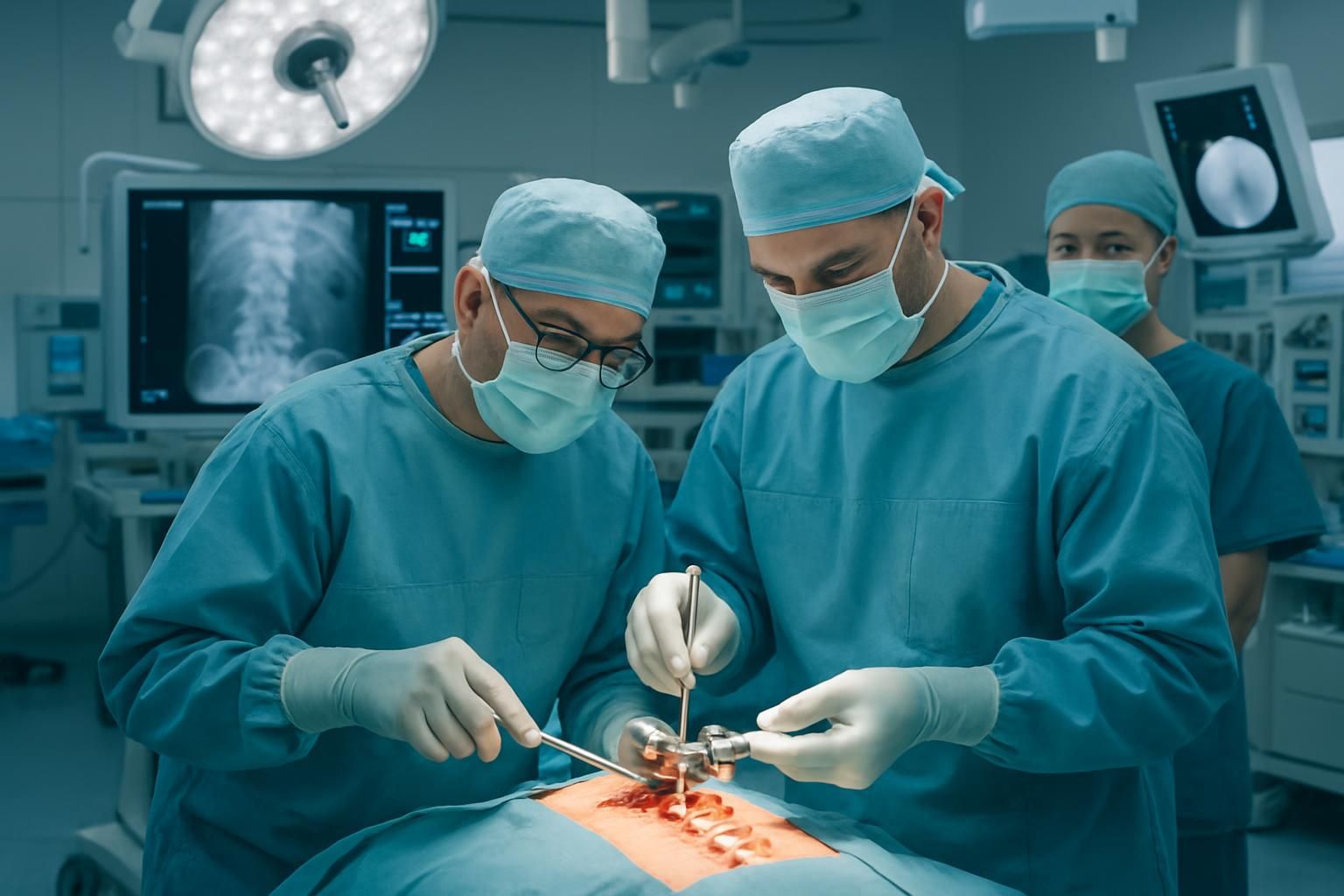
Transatlantic patient journey and personalized coordination in back surgery
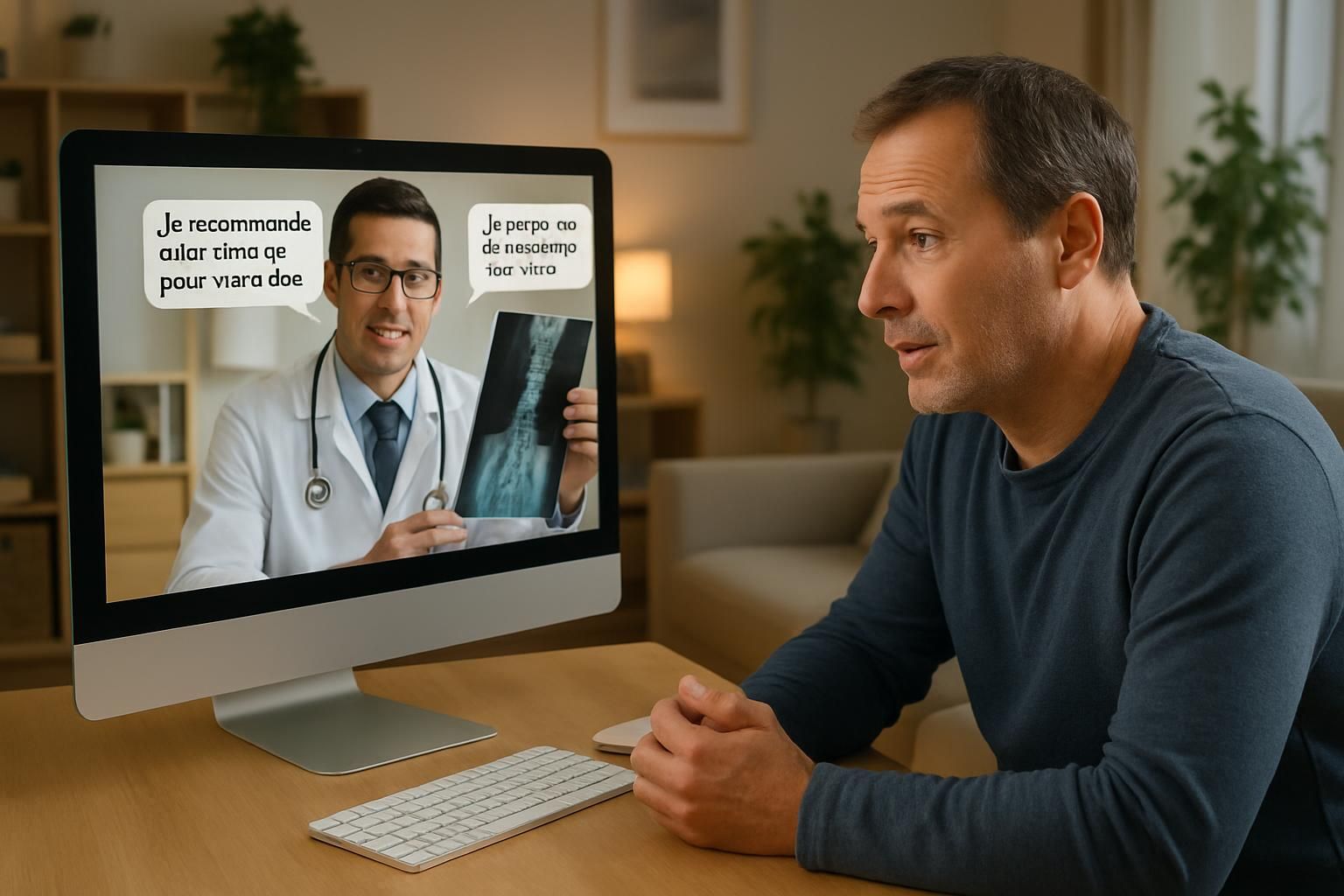
The choice of a spinal surgery In France, particularly for a patient coming from Quebec, seamless organization and personalized support are essential. Coordination between Quebec experts, surgeons, and specialized French centers is imperative to ensure the safety of each step of the process.
Complete process and support from start to finish
The process begins with a rigorous scientific evaluation conducted by multidisciplinary teams, incorporating advanced medical imaging, specialist consultations, and a detailed functional assessment. Louis Blanchard, a recognized expert in the field, plays a crucial role in providing support and explaining the procedure in layman's terms, guiding Quebec patients toward an appropriate surgical solution, whether it be a TOPS dynamic implant or a conservative alternative.
The comprehensive package includes the logistical organization of the stay, the cutting-edge clinics like the TAGMED Clinic, This Franco-Quebec collaboration optimizes the quality of care, patient safety, and comfort at every stage, including pre-operative preparation and intensive post-operative follow-up.
Human and technological values at the heart of the journey
Surgical excellence, adherence to international standards, and safety are central to this innovative approach. Extensive expertise in minimally invasive techniques, personalized implant fitting, and comprehensive care aim to improve quality of life while minimizing surgical risks. Ongoing communication with the patient, using clear and accessible explanations, ensures a complete and reassuring understanding of the procedure and expected benefits.
Detailed comparison: lumbar fusion vs. dynamic implants
Pour mieux comprendre les différences majeures entre une fusion lombaire et les alternatives implantaires dynamiques, il est utile d’examiner les critères clés dans un tableau comparatif qui prend en compte les résultats fonctionnels, les risques et la récupération.
| Criteria | Lumbar fusion (arthrodesis) | Dynamic implants (TOPS, IntraSPINE) |
|---|---|---|
| Spinal mobility | Significant reduction by immobilization | Partial maintenance mobility |
| Postoperative pain | Often intense, prolonged duration | Generally less and faster recovery |
| Risks of complications | Infections, pseudarthrosis, adjacent degeneration | Reduction of risks associated with rigid osteosynthesis |
| Rehabilitation time | Long and rigorous | Shorter, facilitating a quick return to activities |
| Main indications | Severe scoliosis, major instabilities | Moderate instability, chronic pain without major deformity |
Why choose innovative surgery in France for your back?
In addition to benefiting from internationally recognized expertise, Quebec patients enjoy a comprehensive and integrated healthcare system in France, where scientific rigor is combined with cutting-edge technologies and a personalized approach. The French healthcare system includes specialized centers such as the TAGMED Clinic, renowned for its advanced conservative treatments and access to innovative implant technologies.
The advantages also include simplified administrative processing thanks to platforms such as SOS Medical Tourism, They coordinate appointments, logistics, and provide personalized follow-up before, during, and after surgery. This organization minimizes waiting times and maximizes the quality of care, while offering competitive rates compared to private care in Quebec.
This transatlantic model prioritizes safety and quality of life, two essential aspects of any spinal surgery. Furthermore, preserving mobility is a key factor in achieving a rapid and lasting recovery, a prerequisite for resuming a fulfilling and active life.
Interactive comparison: Lumbar fusion vs. dynamic implants
Use the filter below to search for a specific criterion.
- Assessing lower back pain after several months of conservative treatments
- Consider surgery only after complete rehabilitation
- Choose a recognized center and scientifically validated implants
- Prioritize the solutions preserving spinal mobility
- Opt for personalized support and transatlantic coordination
What is the main complication of lumbar fusion?
Pseudarthrosis, or the absence of complete bone fusion, is a common complication that may require further intervention.
Are dynamic implants suitable for all patients?
No, they are indicated primarily for moderate lumbar instability without severe deformity and after failure of conservative treatments.
What is the follow-up process like after surgery with a dynamic implant?
The follow-up is rigorous, including tailored rehabilitation, regular check-ups and personalized adjustments to optimize recovery.
Why choose to have surgery in France from Quebec?
Surgery in France offers recognized expertise, innovative technologies and complete coordination, with competitive prices and tailored support.
To learn more or for a personalized assessment, visit https://www.sostourismemedical.com/contact.