
 Conditions Treated
- Vertebra moved
- Treatment for Carpal Tunnel Syndrome
- Bulging disc treatment in Terrebonne
- Bulging disc treatment in Montreal
- Spinal stenosis treatment in Terrebonne
- Spinal stenosis treatment in Montreal
- Foraminal stenosis treatment in Terrebonne
- Foraminal stenosis treatment in Montreal
- Disc protrusion treatment in Terrebonne
- Disc protrusion treatment in Montreal
- Torticollis
- Calcific tendonitis
- Tendinitis
- Spinal stenosis
- Foraminal stenosis
- Spondylolisthesis
- Sciatica
- Disc Protrusion
- Degenerative disc disease
- Morton's neuroma
- Back pain
- Neck pain
- Herniated disc
- Plantar fasciitis
- Épitrochléite (Golfer Elbow)
- Heel Spur
- Épicondylite (Tennis elbow)
- Pain between the shoulder blades
- Foot pain
- Knee pain
- Pain in elbow or wrist
- Pain in the neck, arm and shoulder blade
- Cruralgia
- Capsulitis
- Bursitis and Tendinitis
- Calcific bursitis
- Brachialgia
- Bulging of the disc
- Facet arthrosis
- Arthritis, Osteoarthritis, Osteoporosis
Traitement de la hernie discale pour Châteauguay
Vous habitez Châteauguay ?
The TAGMED Clinic ne possède pas de succursale à Châteauguay. Nous desservons toutefois régulièrement les patients provenant de Châteauguay depuis nos deux cliniques spécialisées situées à Terrebonne and Town of Mount Royal (Montreal).
De nombreux patients de Châteauguay se déplacent vers l’une de nos cliniques afin de bénéficier de nos traitements non chirurgicaux pour Hernie discale et les douleurs associées.
Our clinics:
TAGMED Clinic Terrebonne — 1150 Lévis Street, Suite 200, Terrebonne, QC, J6W 5S6 (Mon/Wed/Fri)
TAGMED Clinic Montreal (Town of Mount Royal) — 1140 Beaumont Avenue, Mount Royal, QC, H3P 3E5 (Tue/Thurs)
Traitement de la hernie discale pour les résidents de Châteauguay
Le traitement de la hernie discale est essentiel pour les personnes souffrant de douleurs chroniques et persistantes à Châteauguay. Une hernie discale survient lorsque le disque intervertébral, qui agit comme un amortisseur entre les vertèbres, se déplace ou se fissure, comprimant ainsi les nerfs environnants. Pour Châteauguay, la décompression neurovertébrale est une méthode efficace pour soulager cette pression et atténuer les symptômes, permettant ainsi aux patients de retrouver une meilleure qualité de vie.
Les cliniques pour Châteauguay proposent des solutions adaptées pour le traitement de la hernie discale, en mettant l’accent sur la Spinal decompression therapy. Cette technique non invasive permet de réduire la compression nerveuse sans nécessiter de chirurgie, offrant ainsi un soulagement durable. C’est une option thérapeutique sécuritaire pour ceux qui cherchent à éviter les interventions chirurgicales plus invasives.
En plus de soulager la douleur, le traitement de la hernie discale par décompression neurovertébrale pour Châteauguay aide également à restaurer la mobilité et à prévenir de futures complications. Les patients peuvent ainsi reprendre leurs activités quotidiennes sans être freinés par les douleurs liées à la hernie discale.

Les symptômes courants nécessitant un traitement de la hernie discale
Les douleurs persistantes dans le dos, le cou ou les jambes sont souvent les premiers signes indiquant qu’un traitement de la hernie discale est nécessaire. Ces douleurs sont causées par la pression exercée par la hernie discale sur les nerfs, provoquant également des sensations désagréables telles que des picotements, des engourdissements ou une sensation de brûlure. Pour Châteauguay, la décompression neurovertébrale est une méthode éprouvée pour atténuer ces symptômes et restaurer une qualité de vie optimale.
Les patients atteints de hernie discale rencontrent souvent des difficultés à accomplir leurs tâches quotidiennes en raison de la douleur et de la perte de mobilité. Le traitement de la hernie discale par décompression neurovertébrale pour Châteauguay offre une solution pour restaurer la mobilité et réduire la douleur, permettant ainsi aux patients de retrouver leur indépendance et leur confort de vie.
Les troubles du sommeil sont un autre symptôme fréquent chez ceux qui souffrent d’une hernie discale. La douleur peut s’aggraver pendant la nuit, perturbant ainsi le sommeil et entraînant une fatigue chronique. En tant que traitement pour Châteauguay, la décompression neurovertébrale aide à atténuer ces douleurs nocturnes, permettant ainsi un sommeil plus réparateur et une meilleure récupération.
Les causes fréquentes des hernies discales pour Châteauguay
À Châteauguay, plusieurs facteurs peuvent favoriser l’apparition d’une hernie discale. Le mode de vie sédentaire est l’un des principaux responsables, surtout pour ceux qui passent de longues heures assis ou effectuent des mouvements répétitifs sollicitant la colonne vertébrale. Cette pression constante peut entraîner une usure prématurée des disques intervertébraux, conduisant à une hernie discale.
Le vieillissement est une autre cause fréquente de hernies discales. Avec l’âge, les disques intervertébraux perdent leur élasticité et leur capacité à absorber les chocs, ce qui les rend plus vulnérables aux fissures ou aux déplacements. Cette dégénérescence naturelle peut entraîner des douleurs chroniques nécessitant un traitement par décompression neurovertébrale pour Châteauguay.
Les traumatismes physiques, tels que les accidents ou les chutes, sont aussi des causes fréquentes de hernie discale pour Châteauguay. Ces incidents peuvent causer des lésions aux disques, entraînant une compression nerveuse. La décompression neurovertébrale s’avère alors être un traitement essentiel pour soulager la douleur et favoriser la guérison après un traumatisme.
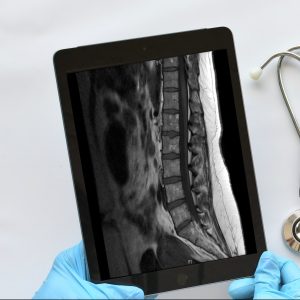
Les techniques de décompression neurovertébrale pour le traitement de la hernie discale pour Châteauguay
Pour Châteauguay, les patients souffrant de hernie discale ont accès à plusieurs techniques de décompression neurovertébrale. L’une des méthodes les plus couramment utilisées est la thérapie par traction, qui vise à étirer doucement la colonne vertébrale afin de réduire la pression exercée sur les disques intervertébraux endommagés. Cette approche non invasive permet de soulager efficacement la douleur tout en améliorant la mobilité et la flexibilité de la colonne vertébrale.
La thérapie manuelle est également une option populaire pour le traitement de la hernie discale par décompression neurovertébrale pour Châteauguay. Ce traitement consiste en des manipulations précises réalisées par des professionnels de santé qualifiés, visant à réaligner les vertèbres et à diminuer la compression nerveuse. Combinée à d’autres techniques non invasives, cette approche permet de traiter efficacement les symptômes de la hernie discale.
Les cliniques pour Châteauguay proposent également des technologies de pointe, telles que la décompression vertébrale assistée par ordinateur. Ces dispositifs permettent de cibler avec précision les zones touchées de la colonne vertébrale, offrant un traitement personnalisé et efficace. Grâce à ces innovations, les patients bénéficient d’une prise en charge qui maximise les résultats tout en minimisant les risques de complications.
Pourquoi choisir un traitement de la hernie discale pour Châteauguay
Châteauguay se distingue par la qualité de ses services de santé, en particulier dans le domaine du traitement de la hernie discale. Les professionnels de santé locaux sont non seulement hautement qualifiés, mais aussi expérimentés dans la gestion des affections de la colonne vertébrale. En optant pour un traitement de la hernie discale pour Châteauguay, les patients peuvent être assurés de recevoir des soins adaptés à leurs besoins spécifiques et à leur condition individuelle.
La proximité des services de santé pour Châteauguay est un autre avantage important pour ceux qui recherchent un traitement de la hernie discale. Les patients peuvent accéder facilement à des soins de qualité sans avoir à se déplacer loin, ce qui est crucial pour ceux qui souffrent de douleurs chroniques ou de limitations de mobilité. De plus, les cliniques locales offrent souvent des appointment rapides, permettant de commencer le traitement sans délai.
Les cliniques pour Châteauguay sont également équipées des dernières technologies en matière de décompression neurovertébrale. Cette combinaison d’équipements modernes et d’une expertise médicale reconnue garantit des résultats optimaux pour le traitement de la hernie discale. Les patients peuvent ainsi bénéficier des meilleures options thérapeutiques disponibles, tout en restant proches de leur domicile.
Les avantages du traitement de la hernie discale par décompression neurovertébrale
Le traitement de la hernie discale par décompression neurovertébrale présente de nombreux avantages, notamment la réduction de la douleur sans avoir recours à la chirurgie. Pour Châteauguay, cette méthode non invasive est une alternative attrayante aux interventions chirurgicales, offrant moins de risques et un temps de récupération plus court. Cela permet aux patients de reprendre rapidement leurs activités quotidiennes avec moins de douleur et plus de confort.
En plus de réduire la douleur, le traitement de la hernie discale par décompression neurovertébrale améliore également la mobilité et la flexibilité de la colonne vertébrale. Les patients signalent souvent une diminution de la raideur et une plus grande amplitude de mouvement, ce qui leur permet de retrouver un mode de vie plus actif et de prévenir de futures complications liées à l’inactivité.
Enfin, la décompression neurovertébrale aide à stabiliser la colonne vertébrale et à prévenir l’aggravation des hernies discales. En réduisant la pression sur les nerfs et en améliorant la santé des disques intervertébraux, ce traitement permet d’éviter l’apparition de nouveaux problèmes. Pour Châteauguay, cela se traduit par une meilleure qualité de vie à long terme et une réduction du risque de récidive de la douleur.
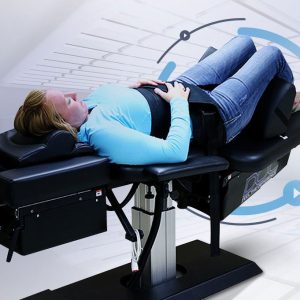
Études de cas et témoignages locaux
Pour Châteauguay, plusieurs patients ont partagé des témoignages positifs après avoir suivi un traitement de la hernie discale par décompression neurovertébrale. Par exemple, un patient souffrant de douleurs récurrentes dans le bas du dos a constaté une nette amélioration après plusieurs séances de thérapie par traction. Avant cela, il avait exploré diverses options de traitement sans succès, mais grâce à la décompression neurovertébrale, il a pu reprendre ses activités quotidiennes sans douleur.
Une autre patiente, qui souffrait de douleurs cervicales sévères, a également trouvé un soulagement significatif après avoir suivi un programme de décompression neurovertébrale pour traiter sa hernie discale pour Châteauguay. Elle a noté une amélioration de sa mobilité et une réduction marquée de la douleur, ce qui lui a permis de reprendre ses tâches quotidiennes avec plus de confort. Elle recommande ce traitement à toute personne confrontée à des problèmes similaires.
Ces témoignages mettent en lumière l’efficacité du traitement de la hernie discale par décompression neurovertébrale pour Châteauguay. Les résultats montrent non seulement une réduction de la douleur, mais aussi une amélioration générale de la qualité de vie. Grâce à cette approche thérapeutique, les patients peuvent reprendre leurs activités habituelles sans être limités par la douleur.
Conseils pour prévenir les hernies discales
Pour Châteauguay, il est essentiel d’adopter certaines pratiques pour prévenir le développement des hernies discales. Maintenir une bonne posture, surtout pour ceux qui passent de longues heures assis, est crucial pour minimiser la pression sur la colonne vertébrale. Ajuster l’ergonomie de l’espace de travail peut également jouer un rôle important dans la prévention de cette condition.
Une alimentation équilibrée et une hydratation adéquate sont également importantes pour préserver la santé des disques intervertébraux. Les nutriments appropriés aident à maintenir l’intégrité des disques, réduisant ainsi le risque de dégénérescence et de hernie discale. Pour Châteauguay, il est conseillé de consulter des professionnels de santé qui peuvent offrir des conseils personnalisés pour maintenir une colonne vertébrale en bonne santé.
Il est aussi important d’être attentif aux premiers signes de douleur ou d’inconfort dans le dos ou le cou. Un diagnostic précoce et un traitement approprié peuvent empêcher l’aggravation de la condition. Pour Châteauguay, consulter un professionnel de santé dès l’apparition des symptômes peut grandement contribuer à une gestion efficace de la hernie discale.
Conclusion et appel à l’action
Le traitement de la hernie discale par décompression neurovertébrale est une solution efficace et non invasive pour les personnes souffrant de douleurs chroniques pour Châteauguay. Grâce à l’utilisation de techniques modernes et à l’expertise des professionnels locaux, les patients peuvent espérer un soulagement durable de leurs symptômes. Cette méthode permet de réduire la douleur, d’améliorer la mobilité et de prévenir de futures complications.
Si vous ressentez des douleurs dans le dos ou le cou, il est important de consulter rapidement un professionnel de santé pour Châteauguay. Un diagnostic précoce et un traitement adapté peuvent faire une grande différence dans les résultats à long terme. La décompression neurovertébrale pourrait être la clé pour retrouver une vie sans douleur et pleinement active.
Pour en savoir plus sur les options de traitement de la hernie discale disponibles pour Châteauguay ou pour prendre rendez-vous, n’hésitez pas à contacter une clinique spécialisée. Les professionnels de santé sont prêts à vous accompagner dans votre parcours vers une meilleure santé de la colonne vertébrale. Ne laissez pas la douleur vous freiner – explorez les solutions offertes par la décompression neurovertébrale dès aujourd’hui.
Published research/studies in Spinal Decompression Therapy
Download the research that has been published regarding spinal decompression therapy:

FREE special report on spinal decompression to download

To find out more about non-surgical spinal decompression therapy, please visit our specialized websites:
Rediscover a Pain-Free Life: Our Herniated Disc Treatment Experts in Montreal & Terrebonne Serve All Boroughs & Cities of Montreal, the Longueuil Agglomeration, the South Shore, the Laval Agglomeration and the North Shore!
- Do you live in Westmount? Herniated disc treatment (Terrebonne & Mont-Royal)
- Do you live in Villeray–Saint-Michel–Parc-Extension? Herniated disc treatment (Terrebonne & Mont-Royal)
- Do you live in Ville-Marie? Herniated disc treatment (Terrebonne & Mont-Royal)
- Do you live in Verdun? Herniated disc treatment (Terrebonne & Mont-Royal)
- Do you live in Senneville? Herniated disc treatment (Terrebonne & Mont-Royal)
- Do you live in Sainte-Anne-de-Bellevue? Herniated disc treatment (Terrebonne & Mont-Royal)
- Do you live in Saint-Léonard? Herniated disc treatment (Terrebonne & Mont-Royal)
- Do you live in Saint-Laurent? Herniated disc treatment (Terrebonne & Mont-Royal)
- Do you live in Rivière-des-Prairies–Pointe-aux-Trembles? Herniated disc treatment (Terrebonne & Mont-Royal)
- Do you live in Pointe-Claire? Herniated disc treatment (Terrebonne & Mont-Royal)
- Do you live in Pierrefonds-Roxboro? Herniated disc treatment (Terrebonne & Mont-Royal)
- Do you live in Outremont? Herniated disc treatment (Terrebonne & Mont-Royal)
- Do you live in West Montreal? Herniated disc treatment (Terrebonne & Mount Royal)
- Do you live in Montreal North? Herniated disc treatment (Terrebonne & Mount Royal)
- Do you live in East Montreal? Herniated disc treatment (Terrebonne & Mount Royal)
- Do you live in Mount Royal? Herniated disc treatment (Terrebonne & Mount Royal)
- Do you live in Mercier–Hochelaga-Maisonneuve? Herniated disc treatment (Terrebonne & Mont-Royal)
- Do you live in the Southwest? Herniated disc treatment (Terrebonne & Mont-Royal)
- Do you live in Plateau-Mont-Royal? Herniated disc treatment (Terrebonne & Mont-Royal)
- Do you live in LaSalle? Herniated disc treatment (Terrebonne & Mont-Royal)
- Do you live in Lachine? Herniated disc treatment (Terrebonne & Mont-Royal)
- Do you live in L'Île-Bizard–Sainte-Geneviève? Herniated disc treatment (Terrebonne & Mont-Royal)
- Do you live in Kirkland? Herniated disc treatment (Terrebonne & Mont-Royal)
- Do you live in Hampstead? Herniated disc treatment (Terrebonne & Mont-Royal)
- Do you live in Dorval? Herniated disc treatment (Terrebonne & Mont-Royal)
- Do you live in Dollard-des-Ormeaux? Herniated disc treatment (Terrebonne & Mont-Royal)
- Do you live in Côte-Saint-Luc? Herniated disc treatment (Terrebonne & Mont-Royal)
- Do you live in Côte-des-Neiges–Notre-Dame-de-Grâce? Herniated disc treatment (Terrebonne & Mont-Royal)
- Do you live in Beaconsfield? Herniated disc treatment (Terrebonne & Mont-Royal)
- Do you live in Baie-D'Urfé? Herniated disc treatment (Terrebonne & Mont-Royal)
- Do you live in Anjou? Herniated disc treatment (Terrebonne & Mont-Royal)
- Do you live in Ahuntsic-Cartierville? Herniated disc treatment (Terrebonne & Mont-Royal)
- Herniated disc treatment in Montreal — Mount Royal
- Hernie discale — Montréal et Terrebonne
- Do you live in Saint-Lambert? Herniated disc treatment (Terrebonne & Mont-Royal)
- Do you live in Saint-Bruno-de-Montarville? Herniated disc treatment (Terrebonne & Mont-Royal)
- Do you live in Longueuil? Herniated disc treatment (Terrebonne & Mont-Royal)
- Do you live in Brossard? Herniated disc treatment (Terrebonne & Mont-Royal)
- Do you live in Boucherville? Herniated disc treatment (Terrebonne & Mont-Royal)
- Do you live in Les Cèdres? Herniated disc treatment (Terrebonne & Mont-Royal)
- Do you live in Léry? Herniated disc treatment (Terrebonne & Mont-Royal)
- Do you live in La Prairie? Herniated disc treatment (Terrebonne & Mont-Royal)
- Do you live in L'Île-Perrot? Herniated disc treatment (Terrebonne & Mont-Royal)
- Do you live on Île-Cadieux? Herniated disc treatment (Terrebonne & Mont-Royal)
- Do you live in Hudson? Herniated disc treatment (Terrebonne & Mont-Royal)
- Do you live in Delson? Herniated disc treatment (Terrebonne & Mont-Royal)
- Do you live in Contrecoeur? Herniated disc treatment (Terrebonne & Mont-Royal)
- Do you live in Châteauguay? Herniated disc treatment (Terrebonne & Mont-Royal)
- Do you live in Chambly? Herniated disc treatment (Terrebonne & Mont-Royal)
- Do you live in Carignan? Herniated disc treatment (Terrebonne & Mont-Royal)
- Do you live in Candiac? Herniated disc treatment (Terrebonne & Mont-Royal)
- Do you live in Calixa-Lavallée? Herniated disc treatment (Terrebonne & Mont-Royal)
- Do you live in Beloeil? Herniated disc treatment (Terrebonne & Mont-Royal)
- Do you live in Beauharnois? Herniated disc treatment (Terrebonne & Mont-Royal)
- Do you live in Terrebonne? Herniated disc treatment (Terrebonne & Mont-Royal)
- Do you live in Sainte-Thérèse? Herniated disc treatment (Terrebonne & Mont-Royal)
- Do you live in Sainte-Sophie? Herniated disc treatment (Terrebonne & Mont-Royal)
- Do you live in Sainte-Marthe-sur-le-Lac? Herniated disc treatment (Terrebonne & Mont-Royal)
- Do you live in Sainte-Marie-Salomé? Herniated disc treatment (Terrebonne & Mont-Royal)
- Do you live in Sainte-Julienne? Herniated disc treatment (Terrebonne & Mont-Royal)
- Do you live in Sainte-Anne-des-Plaines? Herniated disc treatment (Terrebonne & Mont-Royal)
- Do you live in Saint-Sulpice? Herniated disc treatment (Terrebonne & Mont-Royal)
- Do you live in Saint-Roch-Ouest? Herniated disc treatment (Terrebonne & Mont-Royal)
- Do you live in Saint-Roch-de-l'Achigan? Herniated disc treatment (Terrebonne & Mont-Royal)
- Do you live in Saint-Placide? Herniated disc treatment (Terrebonne & Mont-Royal)
- Do you live in Saint-Lin–Laurentides? Herniated disc treatment (Terrebonne & Mont-Royal)
- Do you live in Saint-Joseph-du-Lac? Herniated disc treatment (Terrebonne & Mont-Royal)
- Do you live in Saint-Jérôme? Herniated disc treatment (Terrebonne & Mont-Royal)
- Do you live in Saint-Eustache? Herniated disc treatment (Terrebonne & Mont-Royal)
- Do you live in Saint-Esprit? Herniated disc treatment (Terrebonne & Mont-Royal)
- Do you live in Saint-Colomban? Herniated disc treatment (Terrebonne & Mont-Royal)
- Do you live in Saint-Calixte? Herniated disc treatment (Terrebonne & Mont-Royal)
- Do you live in Rosemère? Herniated disc treatment (Terrebonne & Mont-Royal)
- Do you live in Repentigny? Herniated disc treatment (Terrebonne & Mont-Royal)
- Do you live in Pointe-Calumet? Herniated disc treatment (Terrebonne & Mont-Royal)
- Do you live in Oka? Herniated disc treatment (Terrebonne & Mont-Royal)
- Do you live in Mirabel? Herniated disc treatment (Terrebonne & Mont-Royal)
- Do you live in Mascouche? Herniated disc treatment (Terrebonne & Mont-Royal)
- Do you live in Lorraine? Herniated disc treatment (Terrebonne & Mont-Royal)
- Do you live in L'Épiphanie? Herniated disc treatment (Terrebonne & Mont-Royal)
- Do you live in L'Assomption? Herniated disc treatment (Terrebonne & Mont-Royal)
- Do you live in Deux-Montagnes? Herniated disc treatment (Terrebonne & Mont-Royal)
- Do you live in Charlemagne? Herniated disc treatment (Terrebonne & Mont-Royal)
- Do you live in Boisbriand? Herniated disc treatment (Terrebonne & Mont-Royal)
- Do you live in Bois-des-Filion? Herniated disc treatment (Terrebonne & Mont-Royal)
- Do you live in Blainville? Herniated disc treatment (Terrebonne & Mont-Royal)
- Hernie discale — Montréal et Terrebonne
Preparations for the treatment of spinal decompression therapy for herniated disc
- Book your appointment online or contact our staff at the TAGMED clinic to book your appointment by phone.
- Before going to the TAGMED clinic in Montreal or Terrebonne for your first treatment, there are some things you should absolutely do. First, make sure you have your medical imaging reports (X-ray, MRI, or ultrasound) available.
- Also, make sure you are aware of the various possible risks and side effects associated with treatment at Tagmed Clinic. You should also take all necessary measures (ex. Apply ice to the inflamed area to ensure that your body is ready for further treatment.
- Also, make sure you are aware of the various possible risks and side effects associated with treatment at Tagmed Clinic. You should also take all necessary measures (ex. Apply ice to the inflamed area to ensure that your body is ready for further treatment.
- Finally, if you were unable to complete our form, as mentioned above, arrive 15 minutes before your appointment time to ensure you have enough time to discuss your condition, make the assessment and your treatment.
To be completed before your consultation at TAGMED clinic
Download, print and complete this questionnaire (your health history), before consulting us, in order to save time. (Click on the tablet!)

Frequently Asked Questions
Appointment
How do I book an appointment at Clinique TAGMED?
To get an appointment at the clinic TAGMED, you can call the center directly, either in Montreal at +1 (877) 672-9060 or in Terrebonne at (450) 704-4447.
You can also visit our website for more information and book your appointment online here .
How long does it take to get an appointment?
Most appointments at Clinique TAGMED for existing patients can be obtained on the same day or the next day. Patients requesting an emergency appointment can be seen on the same day if they are willing to travel to the Montreal or Terrebonne clinic, depending on which clinic is open that day. We are in Terrebonne on Mondays and Wednesdays, from 8 a.m. to 6 p.m., and in Montreal on Tuesdays and Thursdays, from 9 a.m. to 6 p.m. Appointments for new patients are generally available in less than 3 days.
What happens during your first visit?
The first visit to the clinic TAGMED will take place in the following manner :
- A staff member will welcome you and ask you to complete a health history form, which includes information such as your medical history, allergies and current health concerns. You will need to sign an informed consent form. The purpose of informed consent is to ensure that the patient fully understands the implications and risks associated with a treatment, so that they can make an informed decision about how they wish to proceed.
- Time spent in the waiting room is minimal, and you will be seen by our healthcare professional at your appointment time, provided, of course, that you arrive on time.
- With this in mind, complete the health history form (download here ) before coming to your appointment. If you are unable to do so, arrive 15 minutes before your appointment to allow time to complete it before meeting our practitioner.
- You will then meet with one of our qualified practitioners to discuss your health and address any questions or concerns you may have.
- Your practitioner may also perform a physical examination and/or suggest various other tests, such as an X-ray, if deemed necessary.
- If your treatment requires a referral from a physician for medical imaging, this will be discussed with your practitioner, and the appropriate information will be provided to obtain the referral.
- Finally, your practitioner will discuss with you the measures to be taken regarding your treatment or your care plan and is able to respond to other questions that you may have on this subject so that you can make an informed decision.
- In most cases, we will be able to begin the first treatment unless your condition requires further examinations to rule out an underlying condition.
- Calculate that you will be to our clinic for about 1 hour in total.
- At the end of the treatment, you should pay the fees, as each time you visit.
- We accept payment cash, debit, Visa or Mastercard.
- We'll print it or send you by e-mail, a claim form to your insurance company.
- You will need to schedule your next appointment with the receptionist, if this is suggested by your therapist.
- If your condition requires more than one treatment, we will explain how many treatments you will need and how often they will take place. As every patient is different, and we do not know the severity or nature of your health condition at the time you are reading this, we cannot provide more information about this here. All of this will be discussed during your first visit. However, you can get a general idea of how treatment for your particular condition proceeds by consulting our section on conditions and their treatment here
How long will my first visit take?
The duration from your first visit to the clinic TAGMED will depend on the reasons for which you came(e). However, in general it will be between 30 minutes and 60 minutes.
You can help us reduce the time you spend at our clinic by completing the health history form, which you can download here
Finally, if you have not been able to complete our form, as mentioned above, please arrive 15 minutes prior to your appointment in order to ensure that you have enough time to complete your form, to discuss it properly in your condition, complete the assessment and treatment.
Which forms do I need to complete?
If you are a new patient, you can download the necessary forms before your first visit here .
If you are an existing patient, your therapist may ask you to fill out a form for re-evaluation: if you have a new condition or if you come for a re-evaluation of your condition after several visits.
Will I be able to start treatment at my first visit?
In general, it is possible that you may start your treatment on your first visit to the clinic TAGMED.
However, this will depend on the reasons for your appointment and the type and level of care you need. The staff will assess each case individually and make a decision at the end of the initial examination.
If you have already done reviews of X-Rays, MRIS (magnetic resonance), SCAN (axial tomography, or CT) Scan or ultrasound scan, and that you have déàa between your hands the written reports, please ensure you have them with you on your first visit to our clinic: we will start your treatment without delay.
You may therefore be able to begin treatment at your first visit to Clinique TAGMED, but this will depend on the nature of your visit and the severity of your condition: straightforward back pain without concerning neurological symptoms can generally be treated during the first visit, whereas a herniated disc with severe numbness in the legs or arms requires medical imaging before any treatment begins, to ensure that there are no contraindications and that treatment can begin safely.
. The support and medical examinations will be performed during your appointment, and a customized treatment plan will be developed to meet your specific needs.
Treatments
Is it possible to predict the exact number of treatments needed from the outset?
It is often difficult to accurately predict the exact number of treatments from the start. An initial assessment can give an estimate, but this may vary depending on the patient's response to treatment.
What is your cancellation policy?
We require 24 to 48 hours' notice for cancellations or changes to appointments.
What factors influence the number of treatments needed?
Several factors can influence the number of treatments required for each patient, including:
- Severity and Chronicity of the Condition: More serious or chronic conditions may require more sessions.
- Age of Patient: Age can influence recovery capacity and response to treatment.
- Daily activities : The type of activity, whether professional or leisure, can affect healing and the number of treatments.
- Ability to Follow Instructions: Adherence to recommendations and post-treatment instructions plays a crucial role in treatment efficacy.
- General State of Health: Overall health, including other medical conditions, can influence the response to treatment.
- Individual Response to Treatment: Each individual responds differently to treatments, which may affect the number of sessions needed.
How does Clinique TAGMED assess treatment needs?
We perform a comprehensive assessment during the first consultation to understand the specific needs of each patient. This assessment helps us develop a personalized treatment plan.
Can the treatment plan be adjusted as progress is made?
Yes, treatment plans are re-evaluated and adjusted based on the patient's progress and response to treatments.
What types of patients come to see us?
La clinique TAGMED est un lieu fascinant. Elle sert un large éventail de patients du monde entier, allant des athlètes aux personnes atteintes de douleurs chroniques. Ses services attirent des gens de tous âges, sexes et styles de vie qui recherchent des soins de santé de pointe dispensés par des experts en la matière. Les patients viennent à la clinique pour obtenir des traitements qui ne sont peut-être pas disponibles dans leur région, ainsi que pour avoir accès à des spécialistes qui peuvent fournir des thérapies complexes. Chacun est toujours traité avec respect et gentillesse, tout en bénéficiant des dernières avancées technologiques et médicales. Donc, si vous avez besoin de soins spécialisés ou si vous voulez être vu plus par des professionnels de haut niveau, TAGMED est l’endroit où aller !
Should I use ice or heat to relieve my pain?
L’une des difficultés les plus persistantes que rencontrent de nombreuses personnes est de trouver un soulagement à la douleur. Malheureusement, il n’existe pas de réponse unique à la question de savoir si la glace ou la chaleur est la meilleure solution pour soulager votre douleur. Tout dépend de la nature et de la localisation de la douleur. Si vous souffrez d’une foulure ou d’une entorse musculaire, l’application de glace contribuera à réduire l’inflammation dans la zone concernée et vous apportera généralement plus de confort. Pour les problèmes articulaires tels que l’arthrite qui provoquent des raideurs, la chaleur sera généralement plus bénéfique pour apaiser la zone et augmenter la flexibilité. Si vous n’êtes pas sûr de la méthode à utiliser, consulteznous pour y voir plus clair. Voir notre guide simplifié en français here or in English here .
Do I need X-rays to receive care at Clinique TAGMED?
In TAGMED, we strive to provide the best care to all our patients. The health and safety of our patients is our top priority, so in some cases it may be necessary to x-rays in order to receive the best care possible. Our team of professionals will determine if x-rays are necessary or not, and explain the reasons for any request, as x-rays. Understanding why a test or procedure is necessary can help alleviate the discomfort and help you make informed decisions about your care.
Nous devons tous faire attention à la fréquence de nos radiographies, car une exposition excessive aux rayonnements ionisants peut présenter un risque important pour la santé. Les médecins ne doivent prescrire des radiographies que pour les examens réellement nécessaires, en veillant à ce que ces examens soient réalisés de la manière la plus sûre possible, à l’aide de blindages et de techniques spécialisées. Les patients jouent également un rôle important dans la limitation de leur propre exposition en posant des questions difficiles sur chaque radiographie dont ils peuvent avoir besoin et en comprenant pourquoi elle est médicalement nécessaire afin d’évaluer leurs propres risques. En prenant ces mesures, nous pouvons garantir que l’exposition aux rayonnements ionisants est maintenue à un minimum absolu tout en fournissant aux professionnels de la santé les images diagnostiques nécessaires pour prendre des décisions éclairées.
Soyez assuré que si des radiographies sont recommandées, c’est qu’ils sont nécessaire afin de vous fournir les soins les plus appropriés pour votre condition de santé !
How should I prepare for my first visit to Clinique TAGMED?
In order to be prepared for your first visit to the clinic TAGMED, we recommend that you :
- Prepare a list of questions and know your medical history, current (including medicines that you take).
- Take all the relevant information such as the results of examinations or laboratory tests performed by a health care professional before.
- Si vous avez un billet vers une réf;érence d’un autre spécialiste, veuillez l’apporter.
- If you have developed symptoms of new or unusual between the time the appointment was scheduled, and the moment you arrive at the clinic, please report them to the health care professional that you evaluera.
- Téléchargez, imprimez et remplissez notre formulaire d’historique de santé here
- Ffamiliarisez you with the different treatments offered at our clinic and know what you can expect.
- Also, make sure to be aware of the different risks and possible side effects associated with the treatment offered by the clinic Tagmed.
- You should also take all necessary measures (e.g. apply ice to the area swollen) in order to ensure that your body is ready to receive a new treatment.
- Finally, if you were unable to complete our form, as mentioned above, arrive 15 minutes before your appointment time to ensure you have enough time to discuss your condition, make the assessment and your treatment.
Do treatments at Clinique TAGMED require a physician's referral?
Most of the treatments offered at the clinic TAGMED can be taken without a referral or prescriptionfor an initial consultation.
That being said, if your state requires a treatment for a specific condition such as herniated disc, your doctor may recommend a review of medical imaging (X-Rays, MRI SCAN) that is appropriate and tailored to your needs.
If you have already done these exams, please get results and have on hand during your first visit to our clinic.
What health conditions do you treat at Clinique TAGMED?
Nos thérapeutes expérimentés possèdent l’expertise nécessaire pour évaluer et traiter un large éventail d’affections musculo-squelettiques, notamment les maux de dos chroniques, les douleurs cervicales et les maux de tête. En utilisant des des traitements hautement spécialisés, ils peuvent aider à soulager la douleur référée loin des zones qui ont été blessées à l’origine – améliorant ainsi la qualité de vie globale de leurs patients.
More specifically, The clinical TAGMED treats a variety of health conditions, including:
- Musculoskeletal (muscle and joint pain)
- Sports injuries and/or professional
- Chronic pain and/or acute
- Carpal tunnel Syndrome
- Herniated disc
- Heel Spur
Et bien d’autres conditions. Pour voir la liste complète et plus de détails concernant chacune des conditions cliquer here
Are your treatments covered by my group insurance?
Les traitements offerts à la clinique TAGMED peuvent être couverts par votre assurance collective. Le montant de remboursement dépendra des conditions de votre politique d’assurance et des services qui sont fournis. Nous vous recommandons de contacter votre assureur pour obtenir plus d’informations et de clarifier le montant que vous recevrez en remboursement.
Please be aware that the insurance cover health care offered by professionals (e.g. osteopath or naturopath) rather than to a particular treatment, such as the traction robotic (decompression neurovertébrale).
Moreover, even if we are a member of several associations, insurers may at any time to include or exclude an association of a very random and this, without that we are made aware.
What treatments are offered at Clinique TAGMED?
The clinical TAGMED offers a variety of treatments, including osteopathy, the decompression neurovertébrale, laser therapy and shockwave therapy or shockwave. Each of these treatments is designed to help relieve pain and improve the function of the body. Treatments may include manual movements specific, stretching, or traction specialized, mobilizations and complementary therapies that aim to treat your health condition in a very specific way in order to get a fast relief and sustainable.
Our forward-thinking approach to health care means that we use technology the most reliable and well-documented, and supported by scientific research are substantial. Get ready to enjoy a level of care unmatched !
You can get more details about our treatments here
Do osteopathic treatments at Clinique TAGMED include massage?
Non, les traitements d’ostéopathie proposés à la clinique TAGMED sont des traitements d’ostéopatie structurel basés sur des données probantes et n’incluent PAS de massages. Les techniques d’ostéopathie utilisées peuvent varier en fonction de votre état et du traitement recommandé par le personnel traitant.
La principale différence entre la massothérapie et l’ostéopathie réside dans le fait que la massage therapy is only focused on relaxation and the treatment of muscle tension, while osteopathy propose une approche plus holistique visant à corriger les dysfonctionnements structurels et à restaurer le mouvement normal du corps. La massothérapie ne sera pas en mesure de corriger directement ces dysfonctionnements structurels, tandis que l’ostéopathie s’attache à comprendre la cause sous-jacente du problème et à résoudre ce dernier grâce à diverses techniques manuelles.
How long will my treatment take?
La durée de chaque visite à la clinique TAGMED dépendra de votre plan de traitement initial et du type de traitement utilisé dans votre cas. Les soins peuvent varier en fonction du diagnostic et peuvent prendre du temps pour des procédures plus complexes. Néanmoins, la plupart des rendez-vous sont destinés à être courts et précis, afin d’assurer que vous obtenez le meilleur traitement possible.
À cet égard, un traitement de shockwave peut prendre 5 minutes pour certaines conditions alors qu’un traitement de décompression neurovertébral pour une hernie discale nécessite un traitement combiné de 30 minutes au total. Pour ce qui est des traitement d’ostéopathie, voici notre WARNING : Contrairement à la plupart des cliniques d’ostéopathie, nous ne croyons pas qu’un traitement général d’une durée fixe (ex. 60 minutes) soit la façon la plus efficace de régler les problèmes de santé pour lesquels vous nous consultez : l’ostéopathie spécifique est plus précise et plus efficace que l’ostéopathie traditionnelle car le traitement est plus spécifique et personnalisé à la condition exacte du patient. Par conséquent, le traitement en ostéopathie spécifique prend généralement de 10 à 30 minutes selon la condition à traiter et le niveau de douleur et/ou d’inflammation. De façon générale, plus la personne souffre moins l’intervention sera de longue durée puisque nous devons alors soulager rapidement la douleur sans irriter d’avantage la structure où l’inflammation se manifeste. De toute évidence, si vous rechercher un traitement de longue durée de détente, vous n’êtes pas au bon endroit. Par contre, si vous désirez un traitement spécifique, personnalisé selon votre condition, et efficace, vous avez trouvé la clinique qui peut vous aider.
How many treatments will I need?
It is difficult to predict how many treatments will be needed at the clinic TAGMED because this will depend on the specific needs of the patient and the treatment plan developed by the staff in caring for you.
Moreover, the amount of processing that you will need to the clinic TAGMED will depend on your health condition, its chronicity, its severity and the recommendations of the therapist. Treatments can range from a simple test, in a series of visits to monitor your progress and adjust the treatment plan accordingly.
For example, a simple backache recent may require a single treatment, while a herniated disc may need several weeks of care.
Thanks to our experience of over 30 years in this field and our clinical judgment based on evidence and your exams imgerie, we will be able to accurately answer this question after you have met.
We can not answer such a question on the phone: this would be a demonstration of a blatant lack of skill and judgment...
« Les bons ostéopathes font tout ce qui est en leur pouvoir pour aider leurs patients à se sentir mieux le plus rapidement possible avec aussi peu de traitements que nécessaire, réduisant finalement les soins à un plan de suivi au besoin. Ils donnent également des conseils sur la façon d’éviter de futurs problèmes en évaluant les activités liées au mode de vie, l’ergonomie, la posture et les orthèses. »
Are all patients treated in the same way?
No, all patients are not treated in the same way to the clinic TAGMED. The therapists and staff take into account each patient and his or her unique condition to develop a customized treatment plan that works best for each individual patient.
En résumé, pas un traitement n’est pareil car vous êtes unique !
Often requested
Comment prendre rendez-vous à la Clinique TAGMED ?
Patients can book an appointment by visiting the TAGMED Clinic website and following the online or telephone appointment booking instructions.
Quels sont les avantages de choisir la Clinique TAGMED pour le traitement de la douleur musculosquelettique ?
Opter pour la Clinique TAGMED signifie bénéficier d’une expertise dédiée au bien-être du patient, soutenue par une équipe passionnée et équipée des technologies les plus avancées.
Quelle technologie est utilisée à la Clinique TAGMED ?
La clinique utilise des équipements de pointe, permettant d’offrir des traitements innovants et efficaces, assurant les meilleurs résultats possibles pour les patients.
Quelle est l’expertise de l’équipe de la Clinique TAGMED ?
L’équipe est composée de professionnels hautement qualifiés et expérimentés, offrant une expertise approfondie pour fournir des soins personnalisés et efficaces.
La Clinique TAGMED offre-t-elle des traitements personnalisés ?
Yes, every treatment is administered with care and dedication, reflecting a commitment to healing and patient comfort, with personalized care tailored to each individual's specific needs.
Comment la thérapie par ondes de choc est-elle utilisée dans le traitement des conditions musculosquelettiques ?
Le shockwave est efficace pour dissoudre les calcifications douloureuses associées à des conditions comme la bursite ou la tendinite, au niveau de l’épaule, du coude, de la hanche, ou de l’épine de Lenoir.
La thérapie au laser est-elle disponible à la Clinique TAGMED ?
Yes, laser therapy is used to treat injuries and pain affecting joints, muscles, tendons and ligaments, offering an effective treatment option for conditions such as bursitis and tendonitis.
Quels types de conditions la Clinique TAGMED peut-elle traiter en dehors de la hernie discale ?
La clinique traite une variété de conditions, y compris la sciatique, les douleurs chroniques du dos et du cou, les troubles fonctionnels comme les maux de dos, de cou, d’épaule, et bien plus.
Pourquoi la Clinique TAGMED est-elle considérée comme une référence dans le traitement de la hernie discale ?
Because of its unique treatment protocol, combining specific osteopathy, precision percussion treatment and spinal decompression therapy, offering advanced and effective solutions.
En quoi consiste le traitement par percuteur de précision à la Clinique TAGMED ?
This treatment uses targeted mechanical impulses to improve circulation, reduce muscle tension and help realign the vertebrae, offering significant relief from herniated disc symptoms.
Qu’est-ce que la décompression neurovertébrale et comment peut-elle aider ?
Neurovertebral decompression is an advanced technique using a robotic system to apply controlled traction to the spine, helping to reposition herniated discs, reduce pressure on nerves and promote healing.
Pourquoi choisir la Clinique TAGMED pour un traitement ?
Choisir la Clinique TAGMED, c’est opter pour une expertise dédiée à votre bien-être, soutenue par une équipe passionnée et expérimentée équipée des technologies les plus avancées, garantissant des soins personnalisés et efficaces adaptés aux besoins spécifiques de chaque patient.
Qu’est-ce que le traitement par percuteur de précision ?
Ce traitement permet d’appliquer des impulsions mécaniques ciblées sur les tissus mous, améliorant la circulation, réduisant les tensions musculaires, et aidant à réaligner les vertèbres de manière précise, soulageant efficacement les symptômes de la hernie discale sans douleur pour le patient.
Quel rôle joue l’ostéopathie spécifique dans le traitement ?
L’ostéopathie spécifique vise à rétablir l’équilibre et la mobilité de l’ensemble du corps, en se concentrant sur les déséquilibres structurels et musculaires qui peuvent contribuer à la douleur liée à la hernie discale. Des techniques douces et précises aident à soulager la pression sur les disques vertébraux, favorisant ainsi la guérison naturelle.
Comment fonctionne la décompression neurovertébrale ?
La décompression neurovertébrale utilise un système robotique sophistiqué pour appliquer une traction contrôlée sur la colonne vertébrale, créant un espace entre les vertèbres et permettant aux disques herniés de se repositionner naturellement. Cette réduction de pression diminue l’irritation des nerfs et favorise une guérison plus profonde.
Quelles conditions la Clinique TAGMED traite-t-elle ?
La clinique se spécialise dans le traitement d’une large gamme de conditions de santé, en mettant particulièrement l’accent sur les hernies discales, la sciatique, ainsi que les douleurs chroniques du dos et du cou souvent résistantes aux méthodes de soins traditionnelles.
Quels services la Clinique TAGMED offre-t-elle ?
Les services incluent l’ostéopathie, la décompression neurovertébrale, la thérapie au laser, et la thérapie par ondes de choc, fournissant des solutions avancées pour une guérison optimale des douleurs aiguës associées à divers troubles fonctionnels.
En quoi le protocole de traitement de la Clinique TAGMED est-il unique ?
Ce protocole est unique car il cible spécifiquement et réduit la pression interne des disques intervertébraux, s’attaquant à la cause principale des hernies discales. Cette approche soulage efficacement la douleur tout en favorisant une guérison naturelle et durable.
Qu’est-ce que la Clinique TAGMED ?
La Clinique TAGMED est une clinique multidisciplinaire spécialisée dans le traitement des douleurs musculosquelettiques, offrant un protocole unique et reconnu mondialement pour le traitement de la hernie discale qui combine l’ostéopathie spécifique, le traitement par percuteur de précision, et la décompression neurovertébrale.
Profile
What prospects does the TAGMED Clinic envision for the future?
Poursuivre sur la voie de l’innovation et de l’excellence, en restant à la pointe des avancées technologiques et à l’écoute des besoins des patients.
How does the TAGMED Clinic ensure the constant evolution of its services?
Par une analyse continue et l’intégration des retours des patients pour améliorer les services et répondre à leurs attentes changeantes.
What is the importance of continuing education for the TAGMED Clinic?
Elle est essentielle pour intégrer les innovations technologiques et méthodologiques et maintenir une qualité de soins élevée.
Why choose the treatments offered by the TAGMED Clinic?
To benefit from recognized expertise, innovative treatments and a carefully tailored, fully personalized approach.
What makes the high-tech care at TAGMED Clinic so powerful?
Their ability to provide fast, cost-effective recovery, facilitating a rapid return to business as usual.
How does the TAGMED Clinic build a lasting relationship with its patients?
Through the development of relationships based on trust, expertise and careful listening to patient feedback.
What is the ultimate goal of the services offered by the TAGMED Clinic?
Offer innovative, high-quality care, marked by a personalized, patient-centred approach.
What principles guide the effectiveness of care at the TAGMED Clinic?
The proactive adoption of cutting-edge practices and the use of revolutionary techniques for highly effective care.
What technologies characterize the treatments at the TAGMED Clinic?
State-of-the-art technology ensures innovative and accessible treatments, aiming for optimal effectiveness.
What role do patients play in their care pathway at the TAGMED Clinic?
They actively participate in the design of a tailored care pathway, in close collaboration with the medical team.
What is the relationship between the TAGMED Clinic and its patients?
A deep interaction that goes beyond healthcare, co-creating innovative solutions and personalizing the care experience.
How does the TAGMED Clinic adapt its services to new trends?
We actively monitor market trends to adjust our services, ensuring an agile response to changing needs.
À quoi la Clinique TAGMED s’engage-t-elle en matière de qualité ?
A promise to use the most sophisticated technologies to meet the high demands of its clientele, in an unwavering commitment to excellence.
How does the collaboration between the TAGMED Clinic and its patients work?
A collaborative approach aimed at anticipating and integrating patient needs into the continuous improvement of practices and training.
What results has the TAGMED Clinic achieved with its care model?
A resounding success, visible through patient satisfaction and success, proof of the effectiveness of the methods used.
What is the recommended treatment approach at the TAGMED Clinic?
Favoring treatments that optimize healing time and minimize costs, thus promoting a rapid return to normal for patients.
Why is technological evolution crucial for the TAGMED Clinic?
It allows the integration of the latest advances to offer effective treatments, reducing recovery time and cost.
What strategies does the TAGMED Clinic use to meet patient expectations?
Continued investment in advanced technologies and the maintenance of a high standard of quality and accuracy in healthcare services.
What distinguishes the TAGMED Clinic in its sector?
Its pioneering status in the application of cutting-edge treatments for musculoskeletal conditions, reinforced by constant evolution aligned with patient needs.
What is the area of specialization of the TAGMED Clinic?
Specializing in the advanced treatment of musculoskeletal disorders, the TAGMED Clinic is at the forefront of innovation in paramedical care.
Services
What support does the TAGMED Clinic offer after a diagnosis has been made?
A targeted, effective treatment plan based on precise diagnosis, using the most appropriate therapy for each patient.
How does the TAGMED Clinic adapt to the urgent needs of patients?
With an emergency service to begin treatment as soon as possible.
What are the advantages of the treatments offered by the TAGMED Clinic?
Use the most effective treatment for each condition, enabling optimal results.
What expertise does the TAGMED Clinic team bring?
A team of healthcare professionals trained in several disciplines, guaranteeing a multidisciplinary approach.
What is the philosophy behind the personalized treatments at Clinique TAGMED?
Each treatment is tailor-made, taking into account individual needs for the best possible care.
How does the TAGMED Clinic ensure patient satisfaction?
Dedicated to finding lasting relief so that patients can return to a normal life.
What makes the TAGMED Clinic unique in Quebec?
To be the only clinic to offer such a wide range of high-tech treatments under one roof.
Does the TAGMED Clinic specialize in treatments for all musculoskeletal conditions?
Yes, thanks to specialized training and the acquisition of high-performance equipment, it offers the best treatment available in this field.
What is the ultimate goal of the TAGMED Clinic for its patients?
Helping patients reach their full health potential through advanced treatments and technologies.
What tests might the TAGMED Clinic suggest?
Medical imaging examinations, such as X-rays or an MRI, to establish an accurate diagnosis and effectively target the problem.
How does the TAGMED Clinic treat each patient?
Each patient is treated as if they were a close relative, with an approach aimed at stabilizing the condition and then identifying the exact cause of the health problem.
Does the TAGMED Clinic offer emergency services?
Yes, an emergency service allows patients to be seen in an extremely short time to begin therapy quickly.
What are the opening hours of the services at the TAGMED Clinic?
Services are available from 9:30 am to 6:00 pm, offering a wide range of appointment times.
Are the services of the TAGMED Clinic easily accessible?
Yes, it is generally possible to schedule a first consultation in less than a week, even on weekends.
Are the services of the TAGMED Clinic covered by the health insurance card?
No, the services are offered within a private clinic, but they are reimbursable by group insurance and tax deductible.
Why choose TAGMED Clinic for healthcare?
For its wide range of high-tech treatments under one roof and a team dedicated to eliminating suffering quickly.
What is the TAGMED Clinic's approach to choosing treatment for a condition?
Always choose the most effective treatment for the patient's specific condition, thanks to in-depth specialization and state-of-the-art equipment.
Does the TAGMED Clinic offer specialized treatments for specific conditions?
Yes, specialized treatments are available, selected for their proven effectiveness on specific conditions, such as calcified bursitis.
What types of services does the TAGMED Clinic offer?
Various services such as osteopathy, neurovertebral decompression, laser therapy, and shockwave therapy.
What is the mission of the TAGMED Clinic in providing its services?
Committed to providing the highest quality care, with personalized treatment plans that combine cutting-edge treatments and innovative technologies.
Price List - Professional Fees
Are the prices of the treatments fixed or can they vary?
Our prices may change to reflect technological advances and market adjustments. We are committed to total transparency regarding our prices.
How are treatment prices determined at the TAGMED Clinic?
Our prices are based on the use of high-tech equipment, the rarity and exclusivity of our treatments, and the in-depth expertise and years of experience of our practitioners.
What are your treatment fees?
Fees for treatment at TAGMED vary depending on the type of treatment and services provided. We will provide you with an insurance receipt if required, and our rates are competitive. The best way to find out the exact price is to consult our "prices" section. here
In general, the first visit will cost you between $110 and $140depending on the treatment that will be necessary for your condition.
Are there any consultation or examination fees?
Yes and no: the clinical TAGMED bill a consultation fee only if the patient does not want to start treatment the same day of his first visit, and if this consultation took more than 15 minutes. However, if you do a treatment on the day of your first visit, we will charge no consultation fees: you only pay fees for the treatment you have received. See the price list of treatments here. Otherwise, the fee for an initial consultation will be $85.
In the same way, there will be no charge for your initial exam, if you make your treatment the same day.
For information purposes, and to those who would not be certain of the difference between a treatment, a consultation and a review, here is a short summary:
A consultation is a discussion between a therapist and a patient in which the therapist asks questions about your state of health, and the condition for which you see, gives advice and offers different tests to evaluate you.
By contrast, a review is a procedure that allows the practitioner to gather more information about the health of the patient, and can include physical tests (amplitudes of motion, orthopedic tests, or neurological) or even an assessment based on the report of your test, X-ray, MRI, ct or ultrasound.
Finally, a treatment is an intervention plan designed by a therapist to treat or reduce the symptoms of a health condition (eg, herniated disc) or injury (e.g. lumbar strain). Treatment may include treatment manuals, traction and/or therapies such as laser or the shockwave, as the case may be. See the list of treatments offered at the clinic TAGMED here .
Are the treatments covered by health insurance?
Many treatments may be partially or fully covered by insurance. We advise you to check the details of your coverage with your insurer.
How much will the first visit cost?
The first consultation at Clinique TAGMED can cost between $75 and $200, depending on the type of treatment provided. Complementary therapies may incur additional fees. For example, if you consult us for the treatment of one or more herniated discs in your lower back, you will pay $140 for spinal decompression treatment of one region of your spine. If you instead want spinal decompression treatment for one or more herniated discs in your lower back and a second treatment for one or more herniated discs in your neck, the cost is $200, because these are two treatments of two different regions. The spinal decompression table cannot apply traction to your back and neck at the same time: it can treat only one region (lower back or neck) at a time. See the complete price list by clicking here
Do you offer treatment packages?
We do not offer treatment packages. As each patient has a unique health condition, our treatment plans are personalized and tailored to each individual.
Are there any hidden fees in addition to the listed prices?
We practice a policy of total transparency. All costs will be clearly communicated during your consultation.
What payment options are available?
We accept various payment methods, including cash, debit and credit cards.
Is it possible to get a quote by phone?
It is difficult to provide an accurate quote over the phone, as assessing a patient's specific needs often requires an in-person examination. We recommend an initial consultation for an accurate assessment and personalized quote.
Do you offer discounts, promotions or negotiations on your fees?
We do not offer discounts, promotions, specials or negotiations on our fees. Our prices reflect the quality and value of the care we provide.
Do you provide receipts for treatments?
Yes, detailed receipts are provided for each treatment, useful for insurance reimbursements or tax deductions.
How can I plan my treatments according to my budget?
We are available to discuss processing and payment options tailored to your financial situation.
Are there any financing options for expensive treatments?
We do not offer direct financing for treatments. We advise our patients on cost management and payment options.
How can I maximize the effectiveness of my treatment?
Following your practitioner's recommendations, maintaining a healthy lifestyle and communicating openly about your progress and concerns are essential to maximizing treatment effectiveness.
Does the TAGMED Clinic offer regular follow-up during treatment?
Yes, we provide regular follow-up to assess progress and adjust treatment if necessary.
What criteria influence the number of treatments required?
The severity and chronicity of the condition, the patient's age, daily activities, ability to follow instructions, general health, and individual response to treatment.
How does the TAGMED Clinic assess treatment needs?
A full assessment is carried out during the initial consultation to understand the specific needs of each patient.
Does the TAGMED Clinic provide receipts for treatments?
Yes, detailed receipts are provided for each treatment, facilitating insurance reimbursements and tax deductions.
Do the treatment prices include hidden fees?
No, the clinic practices total transparency and clearly communicates all costs during the consultation.
How to maximize the effectiveness of treatment at the TAGMED Clinic?
By following the practitioner's recommendations, maintaining a healthy lifestyle and communicating openly about your progress.
Does the TAGMED Clinic offer treatment packages?
No, treatment plans are personalized for each patient, with no predefined packages.
What is the cancellation policy of the TAGMED Clinic?
A notification of cancellations or changes to appointments is required 24 to 48 hours in advance.
How are treatment prices determined at the TAGMED Clinic?
Based on the use of state-of-the-art equipment, the rarity and exclusivity of the treatments, as well as the expertise of the practitioners.
Are treatments at Clinique TAGMED covered by my company's group insurance?
Many treatments may be covered by insurance, including osteopathic treatments. It is advisable to check with your insurer.
Does the TAGMED Clinic facilitate access to healthcare?
Yes, by ensuring that its services are accessible and affordable, and by offering a flexible appointment scheduling system.
How does the TAGMED Clinic simplify administrative processes for its patients?
By helping patients navigate payment options and insurance coverage, simplifying the administrative process.
Does TAGMED Clinic offer long-term treatment plans or advance payments?
No, the clinic favors a more flexible approach, allowing patients to pay for services as they come.
What payment options does TAGMED Clinic offer?
The clinic accepts a variety of payment methods, including cash, Interac, Visa, and Mastercard, to ensure convenience and flexibility.
Are treatment prices subject to change?
Yes, prices are subject to change. We recommend that you contact the clinic for the latest information.
How much does shockwave therapy cost?
This therapy, to eliminate calcifications and promote tissue regeneration, is also priced at $140.
What is the price of a neurovertebral decompression session?
An advanced robotic traction technique to relieve lumbar and cervical pain, particularly in cases of herniated discs, is proposed at $140.
What can I expect in terms of price for laser therapy?
Laser treatment, ideal for tissue and joint injuries, is priced at $110.
What is the cost of an osteopathy session?
An osteopathic session to improve mobility and reduce pain costs $110.
How much does an initial consultation at the TAGMED Clinic cost?
The initial consultation, to determine needs and develop a personalized treatment plan, is priced at $85.
What is the pricing policy of the TAGMED Clinic for osteopathy?
Osteopathic pricing is based on the specific treatment performed, reflecting the quality and specificity of the care provided, rather than on an hourly rate model.
Spinal decompression therapy
What advice does the TAGMED Clinic offer to maintain the benefits of neurovertebral decompression?
Follow post-treatment recommendations, such as specific exercises and posture adjustments, to support long-term spinal health.
How does the TAGMED Clinic ensure the quality of its neurovertebral decompression services?
By using state-of-the-art equipment and employing experts trained and experienced in this method.
What research supports the effectiveness of neurovertebral decompression?
Several clinical studies have shown positive results in the treatment of disc and nerve disorders. See a list here
Why are some doctors unfamiliar with neurovertebral decompression?
It is relatively new and specialized, so not all healthcare professionals are yet familiar with this treatment option. It was, however, invented by a Canadian physician, Dr Allen Dyer, M.D., Ph.D. .
What is the impact of neurovertebral decompression on a herniated disc?
It can significantly reduce the size of the hernia and relieve pressure on the surrounding nerves.
Can neurovertebral decompression be combined with other treatments?
Yes, it can be combined with other therapies such as osteopathy or precision percussion to optimize results. Avoid any other treatments without the approval of your spinal decompression specialist: you could jeopardize your recovery. Caution is advised.
Are the results of neurovertebral decompression lasting?
Many patients report lasting relief, but maintenance sessions may be recommended in some more advanced cases.
How to prepare for your first visit for neurovertebral decompression treatment?
Arrive with your relevant medical documents and wear comfortable clothing. You can also complete the health history form that you will find on the page here
Can one immediately resume normal activities after a session?
Most patients can return to their usual activities; however, specific advice can be given by your practitioner. Certain movements, stretches, or exercises may be prohibited, depending on your condition. When in doubt, abstain.
Is neurovertebral decompression covered by insurance?
It depends on your insurance plan. It is advisable to check with your insurer. Normally, the insurer reimburses for a type of healthcare professional rather than for a specific treatment.
Does neurovertebral decompression require a medical referral?
No, but an initial consultation is necessary to assess whether this treatment is appropriate for your condition.
What is the difference between neurovertebral decompression and traditional traction?
Decompression uses advanced technology to apply a more precise traction force controlled by sophisticated software, offering more efficient, safe and comfortable results.
Is neurovertebral decompression painful?
No, most patients find the treatment relaxing and some may even fall asleep during the session.
How many neurovertebral decompression sessions are generally required?
The number of sessions varies according to the severity of the condition, but a complete treatment may involve several sessions spread over several weeks.
Are there any contraindications to neurovertebral decompression?
Yes, certain conditions such as recent vertebral fractures, tumors, infections and certain degenerative disc diseases.
What conditions are effectively treated by neurovertebral decompression?
Herniated disc, sciatica, spinal stenosis, and other disorders associated with spinal disc or nerve problems.
What are the main benefits of neurovertebral decompression?
It provides significant pain relief, improves mobility and can eliminate the need for surgery for many patients.
How does a neurovertebral decompression session work?
The patient is comfortably seated on a special table that gently stretches the spine, reducing pressure on damaged discs.
Why choose neurovertebral decompression to treat back pain?
It offers effective relief for several back conditions, where most other treatments have offered little or no relief, without requiring surgery, by specifically targeting the source of the pain.
What is neurovertebral decompression?
It is an advanced technique designed to relieve lower back and neck pain, particularly due to herniated discs, by using robotic traction to reduce pressure on the vertebral discs.
Laser therapy
Où puis-je recevoir une thérapie au laser de qualité ?
At the TAGMED clinics in Montreal and Terrebonne, qualified professionals use state-of-the-art laser technology to treat a variety of conditions.
La thérapie au laser est-elle une option pour les enfants ?
Oui, mais toujours sous supervision médicale et en tenant compte des indications spécifiques et de la tolérance de l’enfant.
Peut-on reprendre ses activités normales après une séance de thérapie au laser ?
Yes, most patients can resume their usual activities immediately after treatment.
Quelle est la différence entre la thérapie au laser et les autres formes de traitement laser ?
La thérapie au laser pour le traitement médical utilise des longueurs d’onde spécifiques pour cibler la guérison des tissus, contrairement à d’autres formes de lasers utilisées pour des interventions esthétiques ou chirurgicales.
La thérapie au laser est-elle couverte par l’assurance ?
This depends on your individual insurance plan. We recommend that you check with your insurer. Normally, the insurer reimburses for a type of health professional rather than for a specific treatment.
Quelle est la durée d’une séance de thérapie au laser ?
Duration may vary according to the condition being treated, but sessions are generally short, lasting just a few minutes.
Comment la thérapie au laser contribue-t-elle à la réparation tissulaire ?
It stimulates biological processes at cellular level, promoting repair and regeneration of damaged tissue.
La thérapie au laser nécessite-t-elle une préparation spéciale ?
Aucune préparation spéciale n’est nécessaire, mais il est recommandé de suivre les instructions de votre praticien pour les soins avant et après le traitement.
Qui est qualifié pour effectuer la thérapie au laser ?
Only trained and qualified professionals, such as those at Clinique TAGMED, should perform laser therapy.
Y a-t-il des effets secondaires à la thérapie au laser ?
Side effects are rare and generally minor, such as a sensation of slight heat at the treatment site.
Peut-on combiner la thérapie au laser avec d’autres traitements ?
Oui, elle peut être combinée avec d’autres formes de thérapies pour optimiser les résultats de guérison.
Les résultats de la thérapie au laser sont-ils immédiats ?
Certains patients peuvent ressentir un soulagement immédiat, tandis que d’autres peuvent remarquer une amélioration progressive au fil des séances.
Quelle technologie laser la Clinique TAGMED utilise-t-elle ?
The clinic uses state-of-the-art laser technology, powerful and fast, for effective healing and pain management.
Quelles autres conditions la thérapie au laser peut-elle traiter ?
It is effective for a wide range of conditions, including sports injuries, tendonitis, bursitis, joint pain and more.
La thérapie au laser peut-elle traiter le syndrome du tunnel carpien ?
Oui, c’est une méthode efficace pour traiter les symptômes du syndrome du tunnel carpien, réduisant la douleur et améliorant la fonctionnalité de la main.
La thérapie au laser est-elle douloureuse ?
Non, la plupart des patients ne ressentent aucune douleur pendant le traitement et trouvent l’expérience relaxante.
Quels effets physiologiques le laser doux a-t-il sur le corps ?
Il stimule la régénération cellulaire, améliore la circulation sanguine, réduit l’inflammation et accélère le processus de guérison naturel du corps.
Quels sont les principaux avantages de la thérapie au laser ?
La thérapie au laser favorise une guérison rapide, réduit significativement la douleur et l’inflammation, et améliore la fonctionnalité sans les effets secondaires des médicaments.
Combien de séances de thérapie au laser sont généralement nécessaires ?
The number of sessions varies according to the condition being treated and individual response, but several sessions may be necessary to achieve the best results.
Qu’est-ce que la thérapie au laser ?
C’est une méthode de traitement non invasive utilisant la lumière laser pour accélérer la guérison, réduire la douleur et l’inflammation dans des conditions comme le syndrome du tunnel carpien, les tendinites et les bursites.
Shockwave therapy
Où peut-on recevoir un traitement shockwave à Montréal et Terrebonne ?
At the TAGMED Clinic, where qualified professionals use state-of-the-art equipment to provide the best possible treatment.
Quel est le coût d’une séance de shockwave ?
Costs may vary depending on the clinic and region. It is best to contact the clinic for precise pricing information. At our Montreal and Terrebonne clinics, the fee for shockwave treatment of one body region is $140 per visit.
Le shockwave est-il efficace pour les blessures anciennes ?
Yes, it can be effective in treating chronic conditions and old wounds by stimulating healing.
Comment préparer sa première séance de shockwave ?
Aucune préparation spéciale n’est nécessaire, mais il est recommandé d’avoir avec vous vos résultats d’imagerie médicale, de discuter de vos conditions médicales et de vos médicaments avec votre praticien.
Quelle est la différence entre le shockwave et la thérapie au laser ?
Shockwave uses acoustic waves to stimulate healing, while laser therapy uses light to treat tissue.
Le shockwave peut-il être utilisé sur toutes les parties du corps ?
Yes, it can be applied to many parts of the body, depending on the condition being treated.
Peut-on faire de l’exercice après un traitement shockwave ?
Il est généralement recommandé d’éviter les activités intenses immédiatement après le traitement pour permettre une guérison optimale.
Le shockwave est-il sûr ?
Oui, c’est une méthode de traitement sûre et non invasive avec peu d’effets secondaires connus.
Le shockwave est-il couvert par l’assurance ?
It depends on your insurance. We advise you to check directly with your insurer. Normally, the insurer reimburses for a type of health professional rather than for a specific treatment.
Peut-on combiner le shockwave avec d’autres traitements ?
Oui, il peut être combiné avec d’autres formes de thérapie pour améliorer les résultats de guérison.
Quand peut-on s’attendre à voir des résultats après le shockwave ?
Some patients experience relief after the first session, but optimal results are usually seen after a few weeks.
Le shockwave nécessite-t-il une période de récupération ?
No, most patients can resume their normal activities immediately after treatment. Il faut espacer d’une semaine chaque traitement de shocwave afin de permettre au corps de récupérer.
Combien de temps dure un traitement shockwave ?
A typical session lasts about 5 to 10 minutes, depending on the condition being treated.
Y a-t-il des contre-indications au shockwave ?
Les contre-indications au traitement par ondes de choc incluent l’application sur des tissus situés dans des zones contenant de l’air (comme les poumons et les intestins), l’application sur des tendons déjà endommagés, l’application chez les femmes enceintes, ainsi que chez les individus de moins de 18 ans, à l’exception du traitement de la maladie d’Osgood-Schlatter. De plus, les personnes souffrant de troubles de la coagulation, y compris celles ayant des thromboses locales, celles sous traitement anticoagulant oral, celles ayant des tissus affectés par des tumeurs locales ou des infections bactériennes et/ou virales, ainsi que les patients ayant reçu des injections de cortisone dans les six semaines précédentes, ne doivent pas recevoir ce type de traitement.
Quels sont les avantages du shockwave ?
It offers rapid pain reduction, improves mobility, and accelerates the healing process without the need for surgery.
Combien de traitements de shockwave sont nécessaires ?
The number of sessions varies according to the condition and individual response, but often 3 to 5 treatments are sufficient.
La thérapie par ondes de choc (shockwave) est-elle douloureuse ?
Most patients experience minor discomfort during treatment, which is generally well tolerated.
Comment fonctionne la thérapie par ondes de choc ou shockwave ?
It sends high-energy acoustic waves into the affected tissues, stimulating tissue healing and regeneration.
Quelles conditions peuvent être traitées avec la thérapie par ondes de choc ou shockwave ?
It is effective for tinsertional endinopathies, myofascial pain syndromes, radial and ulnar humeral epicondylitis, plantar fasciitis, patellar syndromes and achillodynia, anterior tibial syndromes, calcific tendonitis or bursitis, Lenoir's thorn, Achilles tendon and sports injuries.
Qu’est-ce que la thérapie par ondes de choc ou shockwave ?
C’est une méthode non invasive qui utilise des ondes de choc pour traiter diverses conditions musculosquelettiques, notamment en décomposant les calcifications.
Specific osteopathy
Comment l’ostéopathie spécifique peut-elle traiter les douleurs liées à la hernie discale ?
Specific osteopathy focuses on restoring balance and mobility to the body, treating structural and muscular imbalances to relieve pressure on spinal discs and promote natural healing. Mais elle ne peut à elle seule vernir à bout de la hernie discale: il faut combiner la décompression neurovertébrale à l’ostéopathie afin d’obtenir de bons résultats.
Qu’est-ce que l’ostéopathie spécifique ?
Osteopathy is a manual therapy technique that involves manipulating the body to reduce pain, uncover dysfunctions and restore joint mechanics. Two very distinct osteopathic approaches are specific osteopathy and classical osteopathy. Specific osteopathy is a more modern approach, using evidence-based findings and current technologies, while classical osteopathy returns to the original form, using deeper manipulation of the body and relying on the osteopath's intuition and experience.
Osteopathy is different from the osteopathy classical: it is a unique form of manual medicine focusing on the precise treatment of dysfunctions, musculoskeletal treatments scientists based on evidence. This technique aims to reduce the aches and pains, while offering many of the patients mobility. Osteopaths also attach importance to the general state of health, taking into account the mode of life and emotional states before choosing an appropriate treatment plan. It is particularly suited to those who prefer the natural alternatives to medical treatment because osteopathy is not just to bring relief, but also encourages the well-being in the long term.
Osteopaths are specific practitioners highly qualified who do not use their hands to assess and treat various physical dysfunctions of the body: they also use brain scans (X-rays, MRI, ct or ultrasound) and in the complementary therapy of high technology. His treatments are very specific to the condition of the patient and, therefore, much more efficient and safer.
For example, a herniated disc does not examine uvec mobilizations in osteopathic structural classic. Although this technique can provide some relief in the short term, it will have no benefit in the medium or long term. However, many clinical studies have demonstrated the effectiveness of the treatment of decompression neurovertébrale for the treatment of herniated discs. See some of the scientific articles published on the decompression neurovertébrale here
Comment prendre rendez-vous pour une séance d’ostéopathie à la Clinique TAGMED ?
You can call the clinic directly or book an appointment online via their website. Terrebonne Clinic Tel: (450) 704-4447 Book Online or Clinique de Montréal Tel: 1 (877) 672-9060 Book Online
Quelle formation un ostéopathe doit-il avoir ?
Les ostéopathes ont une formation approfondie en anatomie, physiologie, pathologie, ainsi qu’en techniques manuelles spécifiques à l’ostéopathie.
Quels sont les avantages de la synergie entre l’ostéopathie et la décompression neurovertébrale ?
Cette combinaison offre une approche thérapeutique complète, augmentant l’efficacité du traitement des maux de dos ou de cou chroniques causés par la hernie discale, protrusion discale, bombement discal, pincement discal, sténose foraminale, sténose spinale ou l’arthrose.
L’ostéopathie est-elle reconnue comme une approche de soin valide ?
Oui, l’ostéopathie est largement reconnue pour son efficacité dans le traitement de diverses conditions de santé.
Peut-on combiner l’ostéopathie avec d’autres traitements ?
Oui, l’ostéopathie peut être efficacement combinée avec d’autres traitements, comme la décompression neurovertébrale, la thérapie au laser ou le shockwave, pour optimiser la guérison.
L’ostéopathie est-elle efficace immédiatement ?
Certains patients peuvent ressentir un soulagement immédiat, tandis que d’autres verront des améliorations au fil des séances.
Combien de séances d’ostéopathie spécifique sont généralement nécessaires ?
Cela varie selon l’individu et la condition traitée, mais un plan de traitement sera discuté lors de la première consultation ou quand nous aurons accès à tous les résultats de vos examens et imageries médicales.
Quelle est la durée d’une séance d’ostéopathie spécifique?
Contrairement à la plupart des cliniques d’ostéopathie, nous ne croyons pas qu’un traitement général d’une durée fixe (ex. 60 minutes) soit la façon la plus efficace de régler les problèmes de santé pour lesquels vous nous consultez : l’ostéopathie spécifique est plus précise et plus efficace que l’ostéopathie traditionnelle car le traitement est plus spécifique et personnalisé à la condition exacte du patient. Par conséquent, le traitement en ostéopathie spécifique prend généralement de 10 à 30 minutes selon la condition à traiter et le niveau de douleur et/ou d’inflammation. De façon générale, plus la personne souffre moins l’intervention sera de longue durée puisque nous devons alors soulager rapidement la douleur sans irriter d’avantage la structure où l’inflammation se manifeste. De toute évidence, si vous rechercher un traitement de longue durée de détente, vous n’êtes pas au bon endroit. Par contre, si vous désirez un traitement spécifique, personnalisé selon votre condition, et efficace, vous avez trouvé la clinique qui peut vous aider.
Quelle est la différence entre l’ostéopathie spécifique et l’ostéopathie classique ?
L’ostéopathie spécifique se base sur des preuves scientifiques et utilise des technologies modernes, tandis que l’ostéopathie classique se concentre davantage sur des manipulations basées sur l’expérience du praticien.
Qu’est-ce qu’un ostéopathe ?
Un ostéopathe est un professionnel de la santé formé pour évaluer et traiter via des techniques manuelles visant à restaurer l’équilibre du corps.
Quelles conditions de santé peuvent être traitées par l’ostéopathie ?
L’ostéopathie peut traiter une large gamme de conditions, notamment les douleurs musculaires et articulaire, les blessures sportives et plus encore.
L’ostéopathie peut-elle traiter les douleurs de dos ?
Oui, l’ostéopathie est particulièrement efficace pour traiter diverses formes de douleurs au dos ou au cou. Pour les conditions plus graves, comme la hernie discale, il est recommander de combiner l’ostéopathie et la décompression neurovertébrale afin d’obtenir des résultats probants.
Quelle est la spécificité de l’ostéopathie à la Clinique TAGMED ?
The clinic offers specific osteopathy, combining manual techniques and state-of-the-art equipment for precise, evidence-based treatments.
Qu’est-ce que l’ostéopathie?
C’est une forme de thérapie manuelle non invasive qui vise à rétablir la fonction et à réduire la douleur en traitant les déséquilibres structurels du corps.
Health conditions
Les douleurs chroniques au genou sont-elles traitables même sans chirurgie ?
Oui, la Clinique TAGMED propose des traitements non chirurgicaux, comme la thérapie au laser, le percuteur de précision et l’ostéopathie spécifique, pour les douleurs au genou, offrant souvent un soulagement pour les patients qui ne peuvent pas faire une chirurgie, pour toutes sortes de raisons.
La Clinique TAGMED peut-elle aider avec des maux de tête récurrents ?
Oui, les maux de tête peuvent être liés à des tensions musculaires ou des déséquilibres structurels que l’ostéopathie spécifique peut traiter efficacement. S’assurer d’avoir consulté votre médecin au préalable et d’avoir fait les examens appropriés afin d’éliminer toutes les possibilités de pathologies sous-jacentes.
Peut-on recevoir des traitements à la Clinique TAGMED pour des conditions non listées sur le site ?
En général, nous traitons toutes les douleurs ou symptômes de nature musculosquelettique. Dans le doute, il est recommandé de contacter la clinique directement pour discuter de conditions spécifiques non mentionnées, car l’équipe peut offrir une large gamme de soins.
La Clinique TAGMED traite-t-elle les conditions arthritiques ?
Oui, des traitements sont disponibles pour soulager les symptômes associés à l’arthrite et améliorer la qualité de vie des patients, comme l’ostéopathie spécifique, la thérapie au laser, le shockwave et le percuteur de précision, sans oublier la décompression neurovertébrale quand il est question d’arthrose de la colonne vertébrale.
Quelle est l’approche de la Clinique TAGMED pour les maux de dos ?
The approach combines specific osteopathic treatments with the use of technology such as neurovertebral decompression and precision percussion. to treat the underlying cause of back pain.
Quelle est l’approche de la Clinique TAGMED pour les maux de cou ?
L’approche combine des traitements d’ostéopathie spécifique et l’utilisation de la technologie comme la décompression neurovertébrale et le percuteur de précision to treat the underlying cause of neck pain.
Est-ce que la Clinique TAGMED propose des traitements pour la fasciite plantaire ?
Yes, the clinic offers effective solutions, such as laser therapy and shockwave, for plantar fasciitis, aimed at reducing pain and improving function.
La Clinique TAGMED offre-t-elle des solutions pour les blessures sportives ?
Oui, des traitements spécialisés, comme l’ostéopathie sportive, la thérapie au laser et le shockwave, sont disponibles pour une gamme complète de blessures sportives, aidant les athlètes à retrouver leur performance.
Comment la Clinique TAGMED traite-t-elle les hernies discales ?
À travers une combinaison de décompression neurovertébrale, de percuteur de précision et d’ostéopathie, la clinique offre une approche, non invasive mais de haute technologie, pour le traitement des hernies discales.
Est-ce que la Clinique TAGMED propose des traitements pour les douleurs au coude ou au poignet ?
Oui, des traitements ciblés sont disponibles pour les douleurs au coude ou au poignet, favorisant la guérison et réduisant l’inconfort, comme la thérapie au laser, le shockwave et l’ostéopathie spécifique.
Comment la Clinique TAGMED aborde-t-elle le traitement des douleurs entre les omoplates ?
En combinant ostéopathie et technologies modernes, comme la décompression neurovertébrale et le percuteur de précision, la clinique propose des solutions efficaces pour les douleurs situées entre les omoplates, qui peuvent être causées par un problème cervical, dorsal, costo-vertébrale et bien d’autres.
La Clinique TAGMED traite-t-elle le syndrome du tunnel carpien ?
Oui, le traitement du syndrome du tunnel carpien est l’un des services offerts, utilisant la thérapie au laser qui a fait ses preuves comme technologique pour soulager la douleur.
Puis-je obtenir de l’aide pour des douleurs chroniques à la Clinique TAGMED ?
Oui, la clinique est spécialisée dans l’offre de soulagement pour les douleurs chroniques grâce à des traitements innovants, incluant la décompression neurovertébrale, la thérapie au laser, le shockwave et le percuteur de précision complémentés par l’ostéopathie spécifique.
Qu’est-ce qui rend la Clinique TAGMED unique dans le traitement des conditions musculosquelettiques ?
Avec plus de 30 ans d’expérience et un investissement dans des équipements à la fine pointe de la technologie, la clinique offre des soins avancés et personnalisés.
Quelles conditions la Clinique TAGMED peut-elle traiter ?
The clinic offers effective treatments for a wide range of conditions, including back pain, herniated discs, sports injuries, and much more.
Musculoskeletal disorders (MSD)
What benefits does shockwave therapy offer for treating MSDs?
Shockwave therapy is particularly effective in breaking down calcium deposits in chronic tendinitis and stimulating tissue healing and regeneration. It improves blood circulation in treated areas, reducing pain and increasing mobility. This non-invasive approach offers an effective alternative to conventional treatments, with little or no downtime for patients.
What are the benefits of laser treatment for MSDs?
Laser treatment provides a significant reduction in inflammation and pain, stimulates soft-tissue healing and accelerates cellular repair. This non-invasive method precisely targets affected areas, promoting rapid recovery without the side effects associated with medication.
What benefits does spinal decompression offer for MSDs?
It reduces pressure on the intervertebral discs, promoting healing and providing relief from back pain.
How does specific osteopathy contribute to MSD treatment?
Through manual manipulations to restore mobility and reduce pain, adapted to each patient's needs.
What innovations does TAGMED Clinic bring to MSD treatment?
It integrates advanced technologies (shockwave, laser, spinal decompression) and advanced therapeutic techniques (specific osteopathy, precision percussion) to provide personalized, effective treatments.
What are the challenges in diagnosing MSDs?
Their complexity and diversity make diagnosis demanding, often requiring advanced diagnostic tests.
Why is early action important for MSDs?
To prevent them from worsening, minimize unnecessary suffering and reduce costs for individuals and society.
How does a multidisciplinary approach assist in treating MSDs?
It ensures comprehensive care, addressing physical symptoms as well as underlying factors.
Which strategies are effective for treating MSDs?
These include ergonomic adjustments and targeted therapeutic interventions.
How does low back pain affect individuals?
It causes pain in the lower back, resulting from inappropriate postures, incorrect lifting techniques or unfavourable working conditions.
What is tendinitis and how is it treated?
Tendinitis is inflammation of a tendon, causing pain and limited mobility. It is treated with rest, physical therapies (shockwave, laser, osteopathy) and sometimes medication.
What are the symptoms of carpal tunnel syndrome?
Pain, numbness and weakness in the hand and fingers, often due to repetitive movements.
Which conditions are classified as MSDs?
These include carpal tunnel syndrome, tendinitis, low back pain, bursitis, epicondylitis and rotator cuff disorders.
How can MSDs be prevented?
Early recognition of symptoms and education on ergonomic practices are essential to prevent MSDs.
What are the psychosocial impacts of MSDs?
MSDs can lead to psychological distress, reducing quality of life and increasing work absences.
Why is a personalized approach necessary to treat MSDs?
The diversity of MSDs and their many contributing factors require an individualized, multidisciplinary approach.
Why is an accurate diagnosis important for MSDs?
An accurate diagnosis is crucial to prevent symptoms from worsening and promote optimal recovery.
What is the economic impact of MSDs?
MSDs create significant costs for healthcare systems and organizations because of the pain and disability they cause.
How do working conditions influence MSDs?
Changes in working conditions, particularly digitalization and prolonged postures, contribute to the increase in MSD cases.
What are the main causes of MSDs?
MSDs can result from occupational activities, repetitive movements, poor working postures and demanding daily activities.
What are musculoskeletal disorders (MSDs)?
MSDs encompass a group of conditions affecting the musculoskeletal system, including muscles, tendons, ligaments and nerves, and manifesting as pain, weakness and disability.
Chronic Pain
Which conditions are most frequently treated for chronic pain at TAGMED Clinic?
Herniated discs, spinal stenosis, facet osteoarthritis and several other degenerative or injury-related conditions.
Does TAGMED Clinic offer treatment packages for chronic pain?
No, each treatment plan is personalized to meet each patient's unique needs.
How does TAGMED Clinic assess treatment needs for chronic pain?
A comprehensive assessment is carried out at the first consultation to understand the patient's specific needs and develop a personalized plan.
What payment options are available for chronic pain treatments at TAGMED Clinic?
The clinic accepts various payment methods, including cash, debit and credit.
Are chronic pain treatments at TAGMED Clinic covered by insurance?
Many treatments may be covered by insurance. We recommend checking with your insurer.
What factors influence the number of treatments needed for chronic pain?
The severity of the condition, the patient's age, daily activities, adherence to recommendations, overall health and individual response to treatment.
How many sessions are generally needed to treat chronic pain at TAGMED Clinic?
The number of sessions varies depending on the individual and the condition being treated, with a personalized plan established after assessment.
What makes TAGMED Clinic's chronic pain treatments unique?
The use of advanced technologies and manual therapies within a personalized, integrated approach.
Do TAGMED Clinic's treatments require a medical referral?
No, patients can book an appointment directly without a medical referral.
Is laser therapy effective for chronic pain?
Yes, it promotes rapid tissue healing and effectively reduces pain and inflammation.
What role does the precision percussion device play in treating chronic pain?
It allows targeted adjustments, improving alignment, mobility and function without discomfort for the patient.
How does specific osteopathy benefit patients with chronic pain?
It treats musculoskeletal imbalances, thereby improving overall bodily function and reducing pain.
How does spinal decompression help relieve chronic lower back and neck pain?
It reduces pressure on the intervertebral discs and nerves, facilitating natural healing and providing significant relief.
What types of conditions can lead to chronic pain?
Degenerative diseases such as osteoarthritis, neurological conditions such as peripheral neuropathies, injuries and conditions such as fibromyalgia.
What distinguishes chronic pain from acute pain?
Chronic pain persists beyond the normal healing period without an identifiable cause, unlike acute pain, which is a temporary warning signal.
How does chronic pain affect quality of life?
It negatively affects sleep, mood, social relationships and the ability to carry out daily activities.
What are the main benefits of the treatments offered by TAGMED Clinic for chronic pain?
The treatments aim to address the underlying causes of pain, offering personalized solutions based on a thorough assessment of each patient.
What approach does TAGMED Clinic use to treat chronic pain?
It uses an innovative approach combining specific osteopathy, spinal decompression, laser therapy, shockwave therapy and the precision percussion device.
How does TAGMED Clinic define chronic pain?
Chronic pain is described as pain that persists well beyond the normal healing period, becoming a condition in its own right.
Sciatica
Qu’est-ce qu’une sciatique ?
Sciatica refers to pain related to irritation or compression of the sciatic nerve or a lumbar nerve root. It can cause pain that starts in the lower back, buttock, or hip and travels down the leg.
La sciatique est-elle une maladie ou un symptôme ?
Sciatica is generally a symptom rather than a disease on its own. It indicates that a structure, such as a disc, a joint, a muscle, or narrowing of the nerve canal, may irritate a nerve root or the sciatic nerve.
Quels sont les symptômes les plus fréquents d’une sciatique ?
Common symptoms include pain in the buttock or leg, a burning sensation, sharp pains, tingling, numbness, or sometimes muscle weakness in the leg or foot.
La sciatique peut-elle descendre jusqu’au pied ?
Yes. Depending on the irritated nerve root, the pain may travel down the thigh, calf, ankle, or foot. The exact path of the pain can help identify the involved low-back area.
Une douleur dans la jambe est-elle toujours une sciatique ?
No. Leg pain can also come from the hip, pelvis, knee, a muscle, a vascular problem, or another nerve irritation. A clinical assessment helps distinguish these causes more clearly.
Quelle est la différence entre sciatique et lombalgie ?
Low back pain is pain located mainly in the lower back. Sciatica usually involves pain that radiates into the buttock or leg, sometimes with neurological signs such as tingling, numbness, or weakness.
Quelle est la différence entre sciatique et cruralgie ?
Sciatica mainly affects the back or side of the leg, while femoral nerve pain (cruralgia) mainly affects the front of the thigh, sometimes as far as the knee. Both can result from irritation of different lumbar nerve roots.
Quelles sont les causes fréquentes de sciatique ?
Common causes include a herniated disc, a disc protrusion, foraminal stenosis, spinal stenosis, lumbar osteoarthritis, spondylolisthesis, or certain muscle tightnesses that can irritate the sciatic nerve.
Une hernie discale peut-elle causer une sciatique ?
Yes. A herniated disc can irritate or compress a lumbar nerve root, which can cause sciatica pain radiating into the buttock, thigh, calf, or foot.
Une protrusion discale peut-elle provoquer une sciatique ?
Yes. A disc protrusion can reduce the space available around a nerve root and contribute to sciatica pain, especially if it is associated with inflammation or foraminal narrowing.
La sténose foraminale peut-elle causer une sciatique ?
Yes. Foraminal stenosis is a narrowing of the opening through which a nerve root exits. This narrowing can irritate the nerve and cause pain that travels down the leg.
Le syndrome du piriforme est-il une vraie sciatique ?
Piriformis syndrome can produce pain that looks like sciatica, because the piriformis muscle can irritate the sciatic nerve in the buttock area. The term pseudo-sciatica is sometimes used when the cause is not a lumbar nerve root.
Pourquoi la douleur sciatique est-elle parfois pire en position assise ?
Sitting can increase pressure on certain lumbar discs or tighten tissues around the sciatic nerve. For some people, this worsens nerve irritation and increases pain in the buttock or leg.
Pourquoi la sciatique peut-elle empirer en toussant ou en éternuant ?
Coughing, sneezing, or straining can temporarily increase pressure in the lumbar spine. When sciatica is related to a disc irritating a nerve root, these movements can worsen the pain.
La sciatique peut-elle causer un engourdissement ?
Yes. Nerve irritation can cause numbness, tingling, or a pins-and-needles feeling in the leg or foot. Numbness that is progressing should be assessed quickly.
La sciatique peut-elle causer une faiblesse dans la jambe ?
Yes. An irritated or compressed nerve root can lead to muscle weakness. New, progressive, or significant weakness requires a rapid clinical assessment.
Qu’est-ce qu’un pied tombant dans le contexte d’une sciatique ?
Foot drop means the person has difficulty lifting the front of the foot when walking. This can indicate a significant nerve problem and should be assessed quickly.
Quand faut-il consulter rapidement pour une sciatique ?
Seek medical care promptly if you have progressive weakness, significant numbness, pain after a trauma, severe pain that is getting worse, fever, unexplained weight loss, or a history of cancer.
Quels symptômes de sciatique nécessitent une urgence médicale ?
Loss of bladder or bowel control, numbness in the saddle area, severe or progressive weakness in the legs, or significant bilateral pain with neurological signs may be a medical emergency.
Faut-il toujours passer une IRM pour une sciatique ?
No. An MRI is not always necessary at the beginning, especially if symptoms are stable and there are no red flags. It can become relevant when symptoms persist, worsen, or when a specialized intervention is being considered.
Une radiographie peut-elle montrer une sciatique ?
An X-ray does not directly show the sciatic nerve or a herniated disc. However, it can show certain signs of arthritis, disc degeneration, or bone misalignment that may contribute to the clinical situation.
Comment diagnostique-t-on une sciatique ?
The diagnosis is generally based on your medical history, the path of the pain, the neurological exam, orthopedic tests, and, when needed, imaging. The goal is to identify the most likely cause of nerve irritation.
Quels tests cliniques peuvent être utilisés pour évaluer une sciatique ?
Tests such as straight leg raise, reflex testing, muscle strength, sensation, and lumbar mobility assessment can help determine whether a nerve root is irritated.
Combien de temps dure une sciatique ?
Duration varies depending on the cause, the intensity of the nerve irritation, age, lifestyle habits, and medical history. Some sciatica improves within a few weeks, while others become persistent or recurrent.
Une sciatique peut-elle devenir chronique ?
Yes. Sciatica can become chronic if the nerve irritation persists, if the mechanical cause remains active, or if the pain leads to prolonged limitation of movement and activities.
Pourquoi ma sciatique revient-elle régulièrement ?
Recurrences can be related to a herniated disc, disc degeneration, stenosis, muscle weakness, prolonged postures, repetitive movements, or poor recovery after an initial episode.
Le repos complet est-il recommandé pour une sciatique ?
Prolonged complete rest is generally not recommended. A short period of reducing irritating activities may be helpful, but it is often better to gradually resume movements you can tolerate.
Marcher est-il bon pour la sciatique ?
Walking can be beneficial if it is well tolerated. It improves circulation and helps reduce stiffness. However, if walking significantly increases pain or weakness, an assessment is recommended.
Quels mouvements peuvent aggraver une sciatique ?
Movement triggers that worsen symptoms vary depending on the cause. Prolonged bending, twisting, lifting heavy loads, prolonged sitting, or certain repetitive movements may increase symptoms in some people.
Dois-je éviter de me pencher vers l’avant avec une sciatique ?
It depends on the cause. Some sciatica related to discs can be worsened by bending your trunk. During an assessment, it is best to identify which movements increase or decrease your symptoms.
La chaleur ou la glace est-elle préférable pour une sciatique ?
Ice can help when pain is very inflammatory or recent, while heat can help relax the muscles. The choice depends on your individual tolerance and how symptoms respond.
La sciatique peut-elle être traitée sans chirurgie ?
Yes. Many cases of sciatica can be managed without surgery, including conservative approaches, reducing irritating factors, appropriate care, a gradual return to activities, and, depending on the case, targeted treatments.
Quand la chirurgie est-elle envisagée pour une sciatique ?
Surgery may be considered in the presence of significant neurological signs, persistent pain despite appropriate management, or confirmed compression that matches the symptoms. This decision must be made with a medical specialist.
Qu’est-ce que la décompression neurovertébrale ?
Neurovertebral decompression is a non-surgical mechanical approach aimed at reducing certain stresses on the discs and lumbar structures. It may be considered for some patients with pain related to a disc problem.
La décompression neurovertébrale peut-elle être utilisée pour une sciatique ?
It can be considered when sciatica seems related to a herniated disc, disc protrusion, or mechanical irritation of a nerve root. An assessment is needed to determine whether this approach is appropriate.
La décompression neurovertébrale convient-elle à tout le monde ?
No. It is not indicated for all cases. Certain conditions, such as significant instability, fracture, infection, a tumor, certain neurological disorders, or some post-surgical situations, may require another approach.
Combien de séances sont nécessaires pour une sciatique ?
The number of sessions varies depending on the cause, the duration of symptoms, the intensity of pain, the exam results, and the response to treatment. A personalized plan is created after the assessment.
La sciatique peut-elle être liée à une sténose spinale ?
Yes. Spinal stenosis can reduce the space available for the nerves in the lumbar canal. It can cause pain in one or both legs, sometimes made worse by walking or prolonged standing.
Pourquoi certaines sciatiques sont-elles pires en marchant ?
When pain increases while walking or standing and decreases when sitting or bending forward, spinal or foraminal stenosis may be considered. A clinical assessment helps guide the analysis more effectively.
Une sciatique peut-elle être causée par l’arthrose lombaire ?
Yes. Lumbar osteoarthritis can contribute to narrowing of the nerve spaces, local inflammation, or mechanical irritation of the nerve roots, which can cause sciatica symptoms.
Le poids peut-il influencer la sciatique ?
Weight can influence the mechanical load on the lower back, but it is not the only factor. Posture, physical fitness, genetics, discs, joints, and movement habits also play a role.
La posture peut-elle causer une sciatique ?
Posture alone does not always explain sciatica, but certain prolonged positions can increase pressure in the low back or irritate sensitive tissues. The important thing is often to vary positions and respect the body’s tolerance.
Le travail assis peut-il aggraver une sciatique ?
Yes. Prolonged sitting can increase symptoms in some people, especially if sciatica is related to a lumbar disc. Frequent breaks and adjusting the work setup may be helpful.
Peut-on conduire avec une sciatique ?
It is possible to drive if the pain, strength, and reflexes allow you to do so safely. If the pain is severe, if the leg is weak, or if medications cause drowsiness, you should avoid driving.
La sciatique peut-elle toucher les deux jambes ?
Yes, but bilateral pain should be assessed with caution, especially if it comes with weakness, significant numbness, or urinary or bowel issues.
La sciatique peut-elle apparaître sans douleur au dos ?
Yes. Some people feel mostly pain in the buttock, thigh, calf, or foot, with little or no low back pain. This can still come from lumbar nerve irritation.
Est-ce normal d’avoir des picotements avec une sciatique ?
Yes, tingling can accompany nerve irritation. However, tingling that worsens, spreads, or comes with weakness should be assessed quickly.
Une sciatique peut-elle être confondue avec un problème de hanche ?
Yes. Some hip pain can radiate into the thigh or buttock and mimic sciatica. A clinical exam helps distinguish a lumbar, nerve, muscular, or joint source.
Une sciatique peut-elle être liée au stress ?
Stress does not necessarily cause sciatica, but it can amplify how pain is perceived, increase muscle tension, and slow recovery. A whole-person approach can be helpful in persistent cases.
Quels sont les objectifs d’un traitement pour la sciatique ?
The goals are to reduce nerve irritation, improve mobility, decrease pain, restore function, limit recurrences, and identify the mechanical or clinical cause that is maintaining the symptoms.
Comment la Clinique TAGMED évalue-t-elle une sciatique ?
The assessment may include a history of symptoms, the pattern/route of the pain, aggravating and relieving factors, a neurological exam, an analysis of mobility, and a review of available imaging tests when relevant.
Est-ce que TAGMED traite la sciatique à Montréal et Terrebonne ?
Yes. At the TAGMED Clinic, we provide sciatica pain assessments in Montreal, Ville Mont-Royal, and Terrebonne to determine possible causes and non-surgical treatment options tailored to the patient.
Puis-je consulter TAGMED si j’ai déjà une IRM ou un rapport radiologique ?
Yes. If you have an MRI, X-ray, CT scan, or a medical report, it’s helpful to bring it to the appointment. This information can help better understand the possible cause of your symptoms.
Dois-je attendre que la douleur passe avant de consulter ?
If the pain is mild and improves quickly, monitoring may be reasonable. However, if the pain persists, worsens, travels down the leg, or comes with numbness or weakness, an assessment is recommended.
La sciatique peut-elle récidiver après amélioration ?
Yes. Sciatica can recur if the mechanical, disc-related, or functional factors that contributed to the initial episode are still present. A personalized prevention plan can reduce the risk of a flare-up.
Quels signes indiquent que ma sciatique s’améliore ?
Improvement may show up as less intense pain, better mobility, less leg pain, less numbness, better tolerance for walking or sitting, and more stable sleep.
Que signifie une douleur qui remonte de la jambe vers le dos ?
When pain gradually moves out of the leg to become more centralized in the lower back, it can sometimes be a sign of improvement called centralization. This observation should be interpreted in the context of the overall clinical picture.
Est-ce inquiétant si la douleur descend davantage dans la jambe ?
Pain that goes farther down the leg or comes with new neurological symptoms can indicate greater nerve irritation. It’s recommended to have the situation assessed.
Une sciatique peut-elle causer des douleurs nocturnes ?
Yes, some sciatica can disrupt sleep, especially when lying down irritates the lumbar or nerve structures. Severe, constant nighttime pain or pain associated with other warning signs should be assessed.
Quel type d’oreiller ou de position peut aider à dormir avec une sciatique ?
Some people tolerate sleep better on their side with a pillow between the knees, or on their back with support under the knees. The best position is the one that reduces pain without creating extra tension.
La sciatique peut-elle être liée à une grossesse ?
Yes. During pregnancy, changes in posture, load, and pelvic mobility can lead to pain that resembles sciatica. An appropriate assessment is recommended to choose safe options.
Est-ce qu’une sciatique peut disparaître seule ?
Yes, some sciatica improves over time, especially when it is mild and without major neurological signs. However, persistent, severe, or recurring pain deserves an assessment.
Pourquoi faut-il identifier la cause de la sciatique avant de traiter ?
Treatment depends on the cause. Sciatica due to a disc, foraminal, muscular origin, or associated with stenosis is not always managed the same way. A precise assessment helps avoid an overly general approach.
La sciatique est-elle toujours causée par un disque ?
No. Even though lumbar discs are a common cause, sciatica can also be related to stenosis, osteoarthritis, muscle irritation, instability, trauma, or other conditions.
Une sciatique peut-elle être associée à un pincement discal ?
Yes. A disc pinch can change the mechanics of the low back and reduce some spaces around the nerve roots, which can contribute to sciatica irritation in some patients.
Pourquoi la sciatique provoque-t-elle une sensation de brûlure ?
A burning sensation is typical of nerve pain. When a nerve is irritated, it can produce burning, electric shock-like sensations, tingling, or sharp, stabbing pain.
Quelle est la différence entre douleur musculaire et douleur sciatique ?
Muscle pain is often more localized and related to muscle contraction or palpation. Sciatica pain often follows a nerve pathway and can come with tingling, numbness, or weakness.
Est-ce que les étirements sont toujours recommandés pour la sciatique ?
No. Some stretching can help, but others may increase tension on the nerve or worsen symptoms. Movements should be adapted to the cause and the patient’s tolerance.
Pourquoi ma sciatique change-t-elle d’intensité selon les jours ?
Sciatica pain can vary depending on activities, sleep, inflammation, sitting position, walking, exertion, stress, and the nerve’s sensitivity. These fluctuations are common, but progressive worsening should be assessed.
Puis-je travailler avec une sciatique ?
It depends on the intensity of symptoms and the type of work. Heavy tasks, twisting, prolonged sitting, or vibrations can worsen some sciatica. Temporary adjustments may be necessary.
La sciatique peut-elle être causée par un accident ?
Yes. A fall, a car accident, a sudden strain, or trauma can trigger nerve irritation or worsen a pre-existing low back condition. Pain after trauma should be assessed.
Est-ce que les médicaments guérissent la sciatique ?
Medications can sometimes reduce pain or inflammation, but they do not necessarily fix the mechanical or neurological cause. They should be discussed with a qualified professional who can prescribe or recommend them.
Pourquoi une approche personnalisée est-elle importante pour la sciatique ?
Because two patients may have similar symptoms but different causes. A personalized approach takes into account the likely diagnosis, imaging, mobility, neurological signs, your work situation, and the patient’s goals.
Comment prendre rendez-vous pour une sciatique chez TAGMED ?
You can book an appointment with the TAGMED Clinic for an assessment of your sciatica pain in Montreal, Ville Mont-Royal, or Terrebonne. A consultation helps determine possible causes and options tailored to your situation.
References
TAGMED CLINIC
Terrebonne
1150 rue Levis, suite 200, Terrebonne, QC, J6W 5S6
(450) 704-4447
TAGMED CLINIC
Montreal
1140 ave Beaumont, Mont-Royal, QC, H3P 3E5
1-877-672-9060


 Français du Canada
 English (Canada)